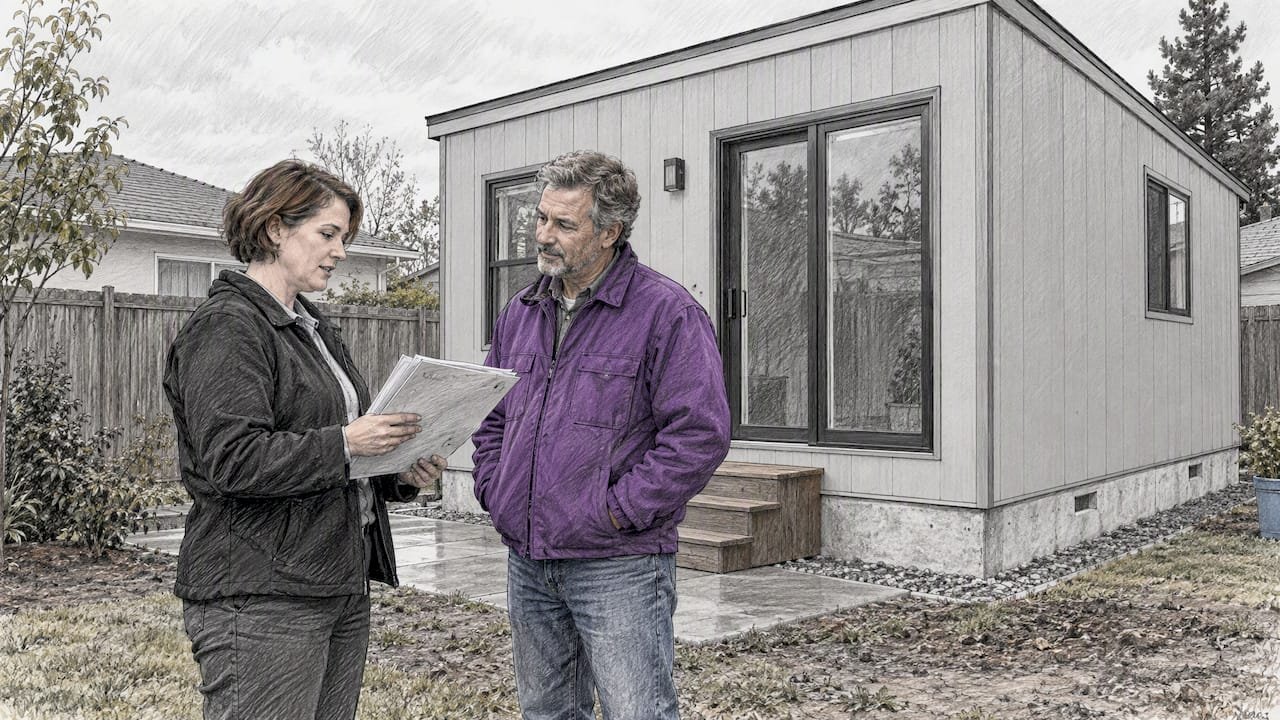
Prefab home taxes depend mainly on one question: does your state treat the unit as personal property or as real property. That classification decides whether a sales or use tax applies at purchase and whether you owe an ongoing annual property tax or a vehicle-license in-lieu fee instead. Land ownership matters too. Keep every purchase, installation, and permit record, because those documents are what prove your classification later.
TL;DR:
- Prefab units are taxed differently based on whether they are classified as personal or real property, affecting both sales and ongoing property taxes.
- The key to avoiding higher taxes is proving permanent installation via foundation records, utility connections, and surrendering vehicle titles when converting to real property.
- State rules vary, with California, Nevada, Texas, and Colorado each applying different tax pathways, valuation methods, and exemption options.
- Proper documentation, including invoices, permits, and photographs, is essential for accurate assessment and successful tax appeals.
- Most disputes are resolved through paperwork and evidence, emphasizing the importance of organized records from the start of installation.
Table of Contents
- Key terms and tax pathways you need to know
- When sales or use tax applies at purchase
- How a prefab unit becomes real property
- How California, Nevada, Texas, and Colorado differ
- How assessors calculate value and depreciation
- Exemptions, incentives, and business-use rules
- Steps to verify your assessment and file an appeal
- Why panel construction and documentation matter for your tax file
- What years of watching prefab tax disputes teaches you
- Turning your tax paperwork into a smoother build
- FAQ
- Official pages and authoritative guidance to consult
Key terms and tax pathways you need to know
Before you read a state’s guidance, you need the vocabulary it uses. Sales tax applies to a purchase made inside the state; use tax applies when you buy out of state but bring the home in for use locally. Assessed value is the number a local assessor assigns to calculate your tax bill, and it is rarely the same as your purchase price.
Whether your prefab unit counts as personal property (like a vehicle or appliance) or real property (like a site-built house) determines which tax pathway applies. Some states charge an in-lieu vehicle or registration fee instead of a standard property tax when a unit stays classified as personal property.
- Purchase taxes typically apply once, at the point of sale or when you bring an out-of-state unit into your state.
- Ongoing taxes depend on classification: annual property tax for real property, or an annual in-lieu fee for personal property.
- Owning the land under your home, versus placing it on leased or rented land, often pushes a unit toward real property treatment.
When sales or use tax applies at purchase
Most states tax the full installed price of a new factory-built home, not just the sticker price of the unit itself. Tennessee’s guidance, for example, explains that dealers calculate sales tax on the total installed price and sometimes apply a reduced rate specifically for new factory-manufactured homes. If you buy from an out-of-state dealer and bring the home into your state, use tax often applies instead of sales tax, covering the same gap a local sale would have closed.
Private resales are treated differently in many jurisdictions than dealer sales, since the home may already be converted to real property by that point.
- Save the dealer invoice showing the itemized unit price and installation charges separately.
- Keep the bill of sale and any title or manufacturer’s certificate of origin.
- File installation invoices and contractor receipts, since these often determine whether tax applied to the full installed price.
How a prefab unit becomes real property
States generally use a handful of physical and legal tests to decide when a manufactured or modular home stops being personal property and becomes part of the real estate. The most common triggers are placement on a permanent foundation, connection to permanent utility lines, and surrendering the vehicle title in exchange for recording the home as real property with the county.
Conversion changes everything about your tax bill. A unit taxed as real property gets assessed alongside the land it sits on, often under standard property tax rules, while personal property stays on separate schedules with its own fee structure.
- Request foundation and utility inspection records from your contractor once installation is complete.
- File for title surrender or real property conversion with your local recording office if your state offers it.
- Keep copies of all permits tied to the installation, since they document the permanent nature of the setup.
How California, Nevada, Texas, and Colorado differ
State rules vary enough that the same home could face very different tax treatment depending on where it lands. California’s Board of Equalization explains that manufactured homes face sales or use tax at the time of sale and then either an annual property tax or an annual vehicle-license in-lieu fee going forward, with a specific table to determine which applies to your unit.
Nevada counties often handle things differently at the local level. Clark County’s assessor treats manufactured homes as personal property by default, using its own valuation schedules, though conversion to real property becomes available once the homeowner owns both the unit and the land beneath it.
Texas applies its general sales tax framework to new factory-built homes, with the distinction between inventory held by a dealer and a home already converted into a real property improvement affecting how the sale gets taxed. Colorado counties publish their own exemption thresholds and value-based rules, and homeowners there retain the same formal appeal rights available in other property tax disputes.
- California: dual-path system with sales/use tax plus either property tax or an in-lieu fee.
- Nevada (Clark County example): personal property treatment by default, with conversion options.
- Texas: inventory versus improvement status changes how a sale gets taxed.
- Colorado: local exemption and value thresholds vary by county, with standard appeal rights.
How assessors calculate value and depreciation
Assessors rely on a few standard approaches to value manufactured and modular homes. Many counties and states publish fixed schedule-based valuation tables for manufactured units, assigning a taxable value based on model year, size, and condition rather than appraising each home individually. Others use a cost approach, starting from replacement cost and applying depreciation for age and wear.
Classification changes how depreciation gets treated. A unit taxed as personal property typically depreciates on a set schedule tied to its age, similar to a vehicle. Once converted to real property, it gets assessed more like a site-built home, where land value, improvements, and market comparables carry more weight than a depreciation table.
Improvements raise assessed value in predictable ways. Permanent additions, attached garages, upgraded foundations, and energy-efficient upgrades documented with contractor certifications all tend to push the assessed value higher, because they signal permanence and added market value rather than a temporary installation.
- Schedule-based tables are common for units still classified as personal property.
- Cost-approach depreciation applies age-based reductions similar to vehicle valuation.
- Permanent improvements and documented upgrades typically increase assessed value once converted to real property.
Exemptions, incentives, and business-use rules
Homeowners have a few standard levers to reduce an annual tax bill. Homestead exemptions, low-value exemptions for older or smaller units, and temporary abatements in some counties can all lower what you owe, though availability depends entirely on local rules.
Business use introduces a separate set of federal provisions. Modular units that qualify as tangible personal property, such as relocatable offices or workspaces, may be eligible for accelerated depreciation benefits including 100% bonus depreciation and expanded Section 179 expensing. These are business-oriented provisions, not residential ones, so confirm eligibility with a tax advisor before assuming your situation qualifies.
- Ask your county assessor about homestead or low-value exemptions before your first tax bill arrives.
- Confirm whether local temporary abatements exist for newly installed manufactured homes.
- Treat accelerated depreciation rules as a business-use question, not a residential homeowner benefit.
Steps to verify your assessment and file an appeal
Checking your assessment does not require a lawyer, at least at first. Start with the assessor’s public record for your parcel, then compare it against your own documentation before deciding whether to push back.
- Pull your current assessment record from the county assessor’s website or office.
- Gather your purchase invoice, installation receipts, permits, and title or conversion documents.
- Request an informal review with the assessor’s office, since many disputes resolve at this stage.
- File a formal appeal before your county’s deadline if the informal review does not resolve the issue, using property basis documentation to support your case.
Hiring a tax attorney or independent appraiser makes sense when the assessed value gap is large enough to justify their fee, typically in disputes involving several thousand dollars or more in annual tax difference.
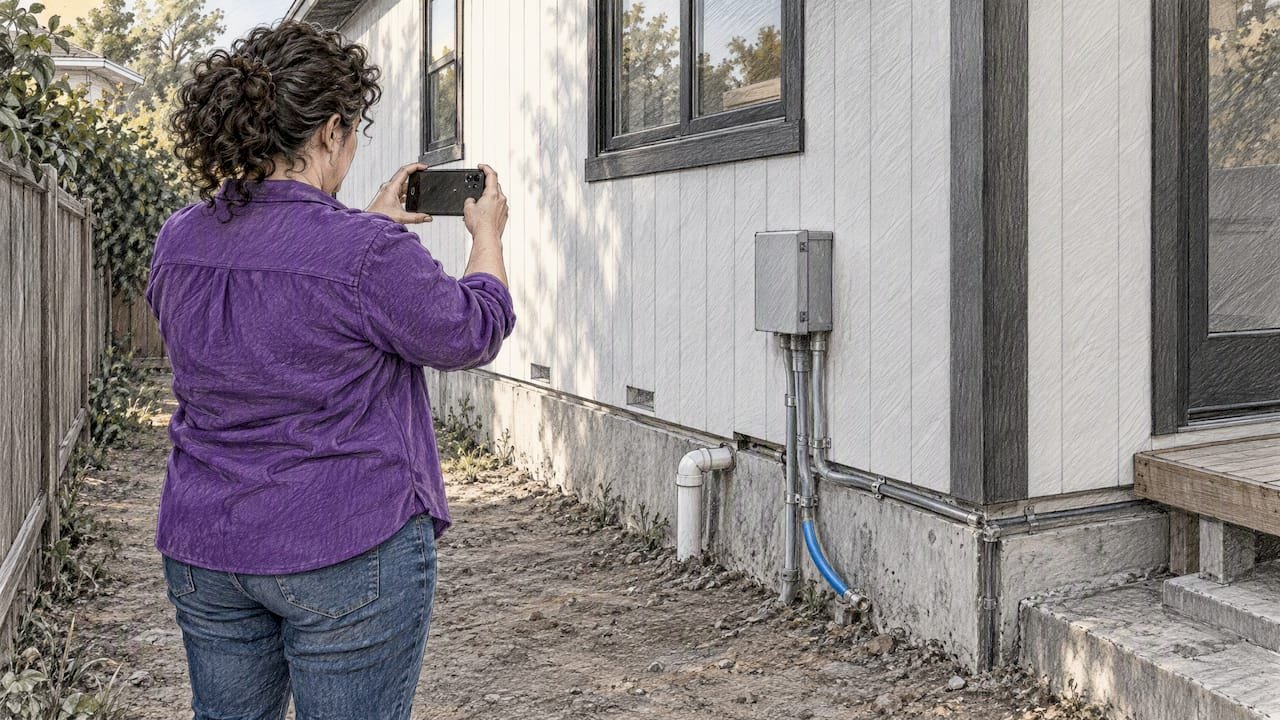
Pro Tip: Photograph your foundation, utility connections, and finished installation before the assessor’s first visit, since visual evidence often settles classification questions faster than paperwork alone.
Why panel construction and documentation matter for your tax file
Insulated sandwich panels assemble quickly, and that speed creates a documentation opportunity most homeowners miss. A fast, well-photographed installation gives you a clear paper trail showing exactly when permanent features went in, which matters if an assessor later questions your classification.
Energy upgrades count as documented improvements too. The company’s own data shows a $2,502 energy efficiency premium paying back in five to eight years, figures worth keeping on file if you ever need to justify an improvement’s added value during an appeal.
- Save contractor certifications tied to panel installation and insulation upgrades.
- Use photo-verified site preparation records to document the condition and permanence of your foundation work.
- File energy-efficiency invoices separately, since they may support both tax basis and appeal arguments.
What years of watching prefab tax disputes teaches you
Most assessment disputes come down to paperwork, not legal argument. Homeowners who keep organized invoices, permits, and installation photos from day one rarely need to fight an appeal; they simply hand over proof and the classification corrects itself.
Push back when your documentation clearly contradicts the assessor’s classification. Accept the assessor’s practice when the gap is small and the cost of an appeal outweighs the savings. Either way, the paperwork you gather during construction is worth more than anything you could argue after the fact.
— Kian
Turning your tax paperwork into a smoother build
Good tax documentation starts with good building records, and that is where your choice of construction method matters. DIY KIT Homes and Container Homes from Prefab Modular Homes come with clear spec sheets and installation steps that double as the paper trail assessors look for, while insulated sandwich panels give you documented energy upgrades you can point to during an appeal.

- Download spec sheets for your chosen kit before installation begins, so you have baseline documentation ready.
- Photograph foundation work, utility hookups, and panel installation as you go.
- Contact our sales team for installation documentation that supports your local assessor filing.
Browse the full product catalog to see which kit fits your project and your paperwork needs.
This article is general information, not a substitute for advice from a qualified financial advisor. Consult a qualified financial professional about your own circumstances before acting on anything here.
FAQ
How much sales tax do you pay on a modular home?
It depends on your state and whether the sale is taxed on the full installed price or a reduced factory-built rate. Tennessee, for example, taxes the total installed price with a reduced rate available for new factory-manufactured homes, and other states set their own rates and exemptions.
Are manufactured homes taxed as property in Texas?
Texas applies sales tax at purchase and then treats the home as either inventory or a real property improvement depending on its classification. Whether ongoing property tax applies depends on whether the unit has been converted to real property under local county rules.
What are typical property taxes on a $300,000 home?
Property tax depends entirely on your local tax rate and assessment method, not a fixed home price, since rates vary by county and state. Check your county assessor’s published rate or schedule rather than relying on a national average, since no single figure applies everywhere.
Do prefab homes lose value over time?
Units classified as personal property often follow a depreciation schedule similar to vehicles, losing assessed value as they age. Once converted to real property, valuation shifts toward land value and market comparables, which can behave differently than straight depreciation.
Official pages and authoritative guidance to consult
Start with your state’s tax or revenue department for sales and use tax rules, and your county assessor’s office for valuation schedules and appeal deadlines. California’s Board of Equalization and Nevada’s Clark County assessor both publish detailed FAQs and schedules, and most states offer comparable resources for residents researching local classification and appeal procedures.