Prefab and modular homes typically last between 30 and 100+ years, depending on build class, materials, and how well the owner manages the building envelope. Entry-level kits sit at the low end; steel and precast-concrete systems can rival or beat traditional houses. The real caveat is that warranty length has almost nothing to do with actual service life. Materials, foundation choice, and maintenance decide that.
TL;DR:
- Most prefab homes last over 50 years if built with quality materials, proper foundation, and disciplined maintenance, regardless of warranty length.
- Foundation quality and climate-specific detailing, such as vapor barriers and panel sealing, are critical in preventing early deterioration and extending lifespan.
- Factory production controls improve quality and reduce defects, but overall durability depends more on construction standards and material choices than on factory versus onsite assembly.
- Ongoing maintenance focused on sealing, drainage, and ventilation costs little time annually and significantly prolongs a prefab home’s service life.
- Buyers should demand comprehensive documentation on panel specifications, test reports, and corrosion protection before purchasing to ensure long-term performance.
Table of Contents
- What Is a Realistic Prefab Home Lifespan by Build Class?
- How Does Modular Home Durability Compare to Traditional Construction?
- What Factors Actually Determine How Long a Prefab Home Lasts?
- How Much Maintenance Does a Prefab Home Need to Last Decades?
- Warranty vs. Design Life: What Buyers Should Actually Expect
- What Prefabmodularhome’s Kits Reveal About Long-Term Performance
- A Straight Answer on What Actually Extends a Prefab Home’s Life
- Get the Documentation Before You Build
- Sources
What Is a Realistic Prefab Home Lifespan by Build Class?
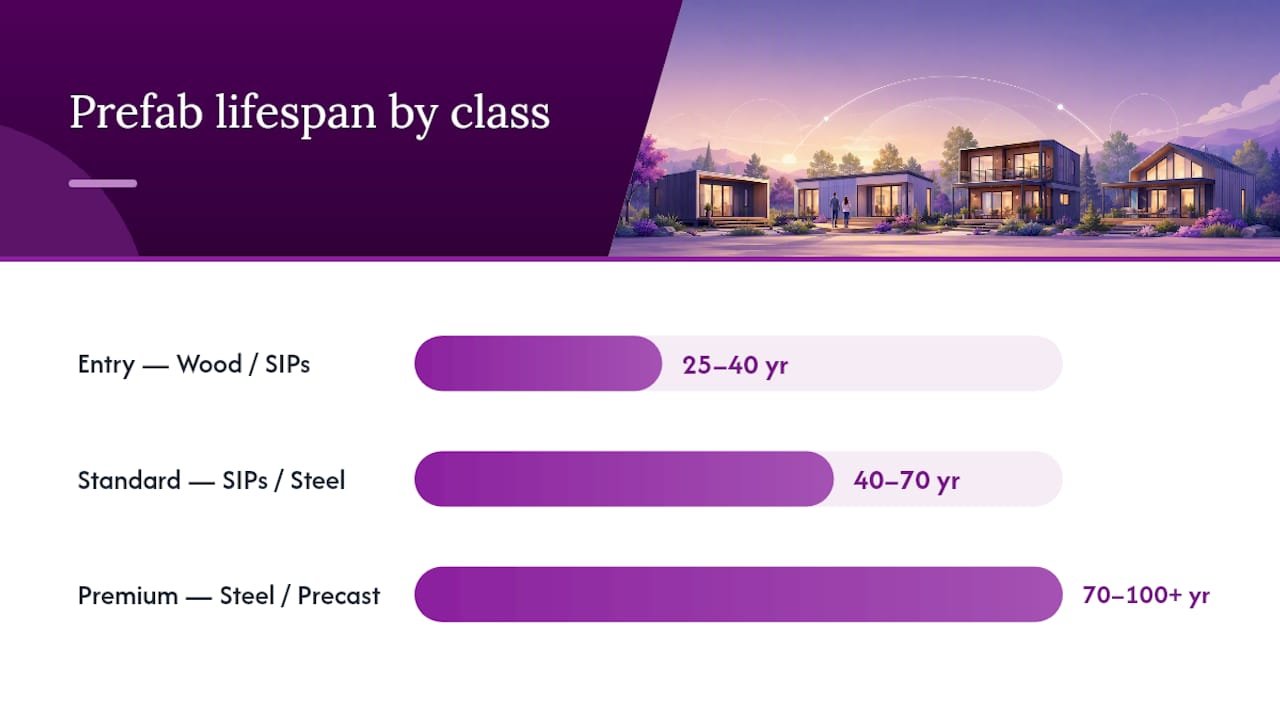
Not all modular homes age the same way, and the spread is wider than most buyers expect. Entry-class units, often built with lighter framing and budget finishes, tend to run 25 to 40 years before major systems need replacement. Standard or comfort-tier builds, which use better insulation packages and more robust connections, land in the 40 to 70 year range. Premium systems built around steel or precast concrete hybrids can push past 70 years and, with disciplined maintenance, exceed 100.
Material choice drives most of that spread. Structural Insulated Sandwich Panels combine rigid foam core with structural facings, and when the panel joints are sealed correctly, they resist the moisture intrusion that shortens the life of lower-grade builds. Light-gauge steel framing resists rot and pests but needs corrosion protection in humid or coastal climates. Wood-frame modular units perform well when kiln-dried lumber and proper vapor barriers are used, though they’re more vulnerable to long-term moisture damage than steel or concrete. Precast concrete systems sit at the top end of durability, largely immune to pest damage and fire, but they cost more and take longer to customize.
Here’s where buyers get confused: a manufacturer’s 15 to 25-year structural warranty is a commercial guarantee, not an expiration date. It reflects what the manufacturer is willing to insure against defects, not how long the house will actually stand. A well-maintained modular home routinely outlives its warranty period by decades, which is a distinction worth holding onto as you read the rest of this guide.
How Does Modular Home Durability Compare to Traditional Construction?
Factory production controls variables that site-built construction simply can’t. Panels and modules are assembled indoors, under consistent quality checks, away from rain delays and improperly stored lumber. That controlled environment reduces early-life defects tied to moisture exposure during the build phase, one of the most common causes of premature deterioration in stick-built homes.
Where prefab tends to pull ahead is speed. Because factory stages run concurrently while site work happens in parallel, the structure spends far less time exposed to weather before it’s enclosed. A traditional frame can sit open to rain for weeks; a modular shell often doesn’t.
That said, prefab doesn’t automatically win on durability. A modular home built to code with quality materials and a properly engineered foundation performs comparably to a site-built house meeting the same standards. Where prefab underperforms is usually a spec problem, not a category problem. Thin panels, undersized foundations, or skipped vapor barriers will shorten lifespan regardless of whether the house came from a factory or a job site. For a deeper side-by-side on cost, energy performance, and long-term value, this comparison of modular versus traditional construction breaks down where each method has the edge.
What Factors Actually Determine How Long a Prefab Home Lasts?
Four variables do almost all the work here, and buyers can check each one before signing a contract.
Materials and panel composition. Ask what’s inside the panel, not just what’s printed on the brochure. Metal roofing typically lasts 30 to 50 years versus 20 to 30 for asphalt shingles, and steel framing needs galvanizing or a corrosion-resistant coating in humid or coastal zones.
Foundation type. This is the factor buyers skip and regret most. Helical piles or reinforced concrete strip footings hold up long term, while undersized or improperly engineered foundations can show visible distress within 5 to 10 years. A screw pile foundation guide is worth reading before you finalize site prep, especially on soft or shifting soil.
Climate-specific detailing. Continuous vapor barriers, sealed panel joints, and mechanical ventilation aren’t optional upgrades in humid or coastal climates. They’re the cheapest insurance against the mold and rot that can cut 10 to 15 years off a neglected building’s life.
Assembly quality. Connection details between modules matter as much as the modules themselves. Poor sealing at joints is where water finds its way in first. If you’re evaluating a builder, ask to see how they handle module-to-module connections. This modular addition planning guide walks through what solid on-site integration actually looks like.
How Much Maintenance Does a Prefab Home Need to Last Decades?
Think of maintenance less as repair work and more as envelope management. You’re protecting seals, drainage paths, and ventilation before they fail, not fixing them after water gets in.
A workable schedule looks like this:
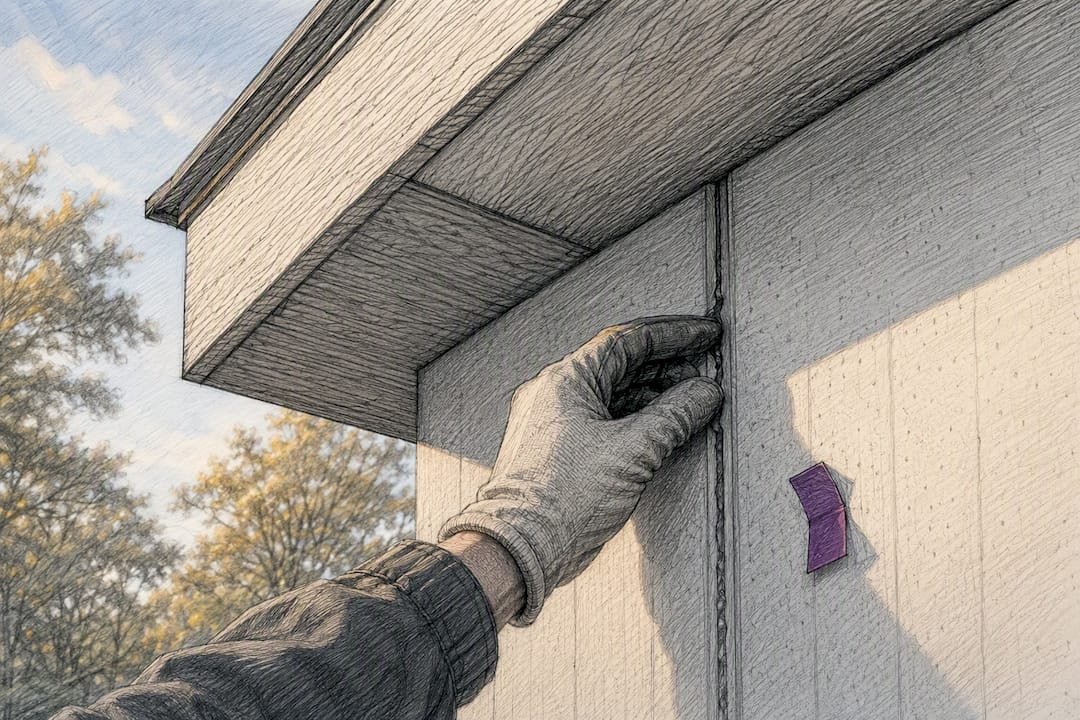
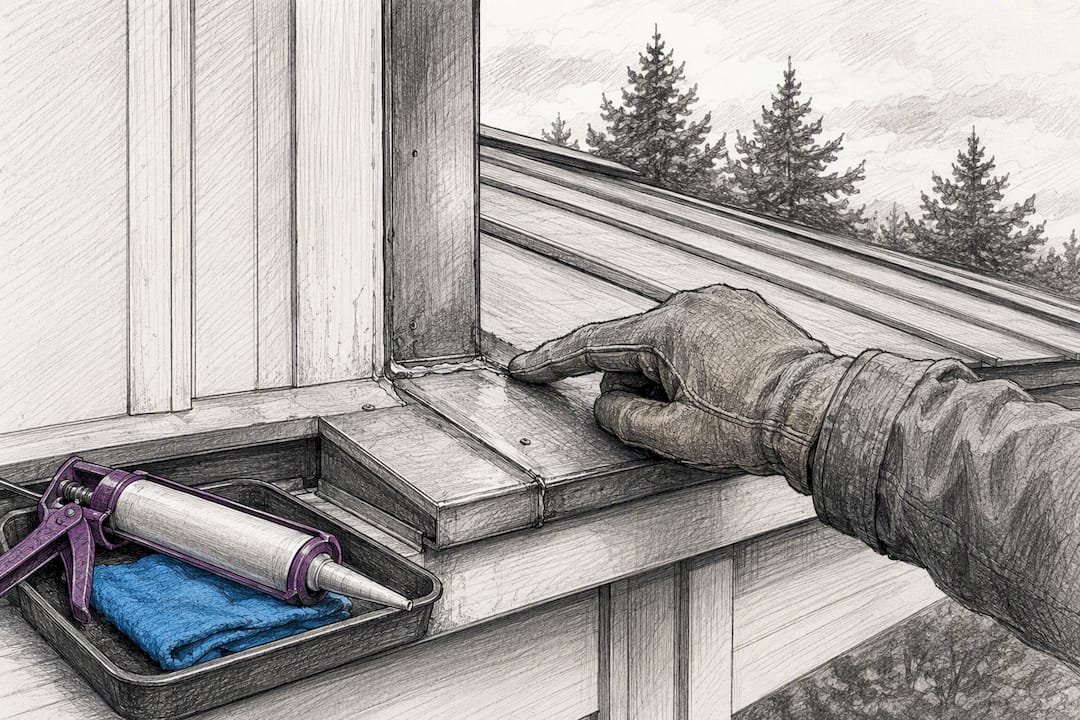
- Pre-rainy season inspection: check roof flashing, gutter flow, and exterior sealant around windows and panel joints.
- Post-rainy season inspection: look for staining, soft spots, or gaps that opened up under weather stress.
- Monthly walk-around: clear debris from drainage paths, check for pest entry points, glance at visible fasteners.
- Annual HVAC service: by a licensed technician, since poor ventilation is a leading cause of early moisture damage.
- Sealant renewal: every few years around panel seams, done by a professional if the joint is structural.
Most of this totals a few hours a year, far less than the restorative repairs common in neglected site-built homes. Keep a written log of every inspection and repair. It costs nothing and pays off later.
Pro Tip: Photograph panel joints and roof flashing every inspection cycle. A dated photo record makes it obvious when a seal is degrading, long before it becomes a leak.
Warranty vs. Design Life: What Buyers Should Actually Expect
Design life is an engineering estimate, usually around 50 years, for how long a structure should perform under normal conditions. A 15 to 25 year warranty is a business decision about risk, not a forecast of failure. With consistent envelope-focused upkeep, actual service life often exceeds design life by decades.
Documentation is what protects resale value. A maintenance log paired with manufacturer test reports gives buyers real confidence instead of guesswork. Before purchasing, request panel specifications, wind test reports, foundation guidance, and any corrosion treatment records. If a seller can’t produce them, treat that as a red flag, not a formality.
What Prefabmodularhome’s Kits Reveal About Long-Term Performance
Structural Insulated Sandwich Panels integrate structure and insulation in one factory-sealed unit, which limits the joint gaps where moisture typically enters a modular build. Many of Prefabmodularhome’s kits are also built with wind-rated and off-grid configurations in mind, relevant if you’re weighing a container home lifespan against a panel-built structure in an exposed location.
Before ordering any kit, from any manufacturer, request panel specification sheets, wind test data, and foundation guidance in writing. Those documents are what separate a house built to last from one that just looks finished on delivery day. Energy performance claims deserve the same scrutiny; here’s what actually delivers on eco-friendly prefab claims versus marketing language.
A Straight Answer on What Actually Extends a Prefab Home’s Life
Materials matter, but foundations and maintenance decide the outcome more often. A house built with premium panels on a poorly engineered foundation will fail early regardless of what the brochure promised. Favor prefab when you can verify the specs; walk away from any builder who won’t hand over test reports or corrosion data. Use the maintenance checklist above and request documentation before you sign anything.
— Kian
Get the Documentation Before You Build
One advantage over hiring a traditional contractor isn’t just speed, it’s transparency. You can review the exact panel construction, insulation values, and assembly specifications before you order anything, instead of hoping a general contractor’s subcontractors get the detailing right on site.
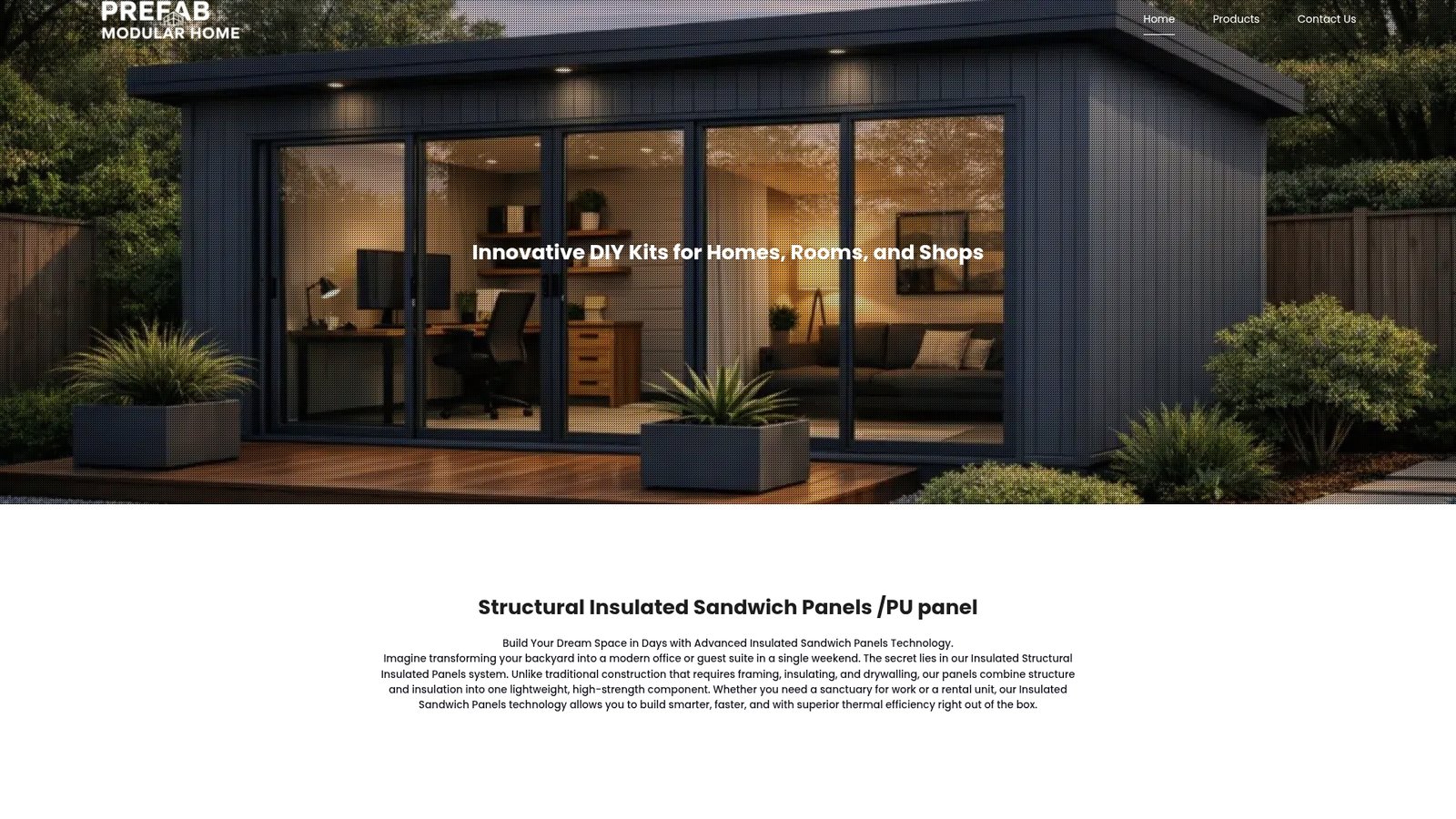
Structural Insulated Sandwich Panels integrate the structure and insulation into one factory-built unit, which cuts down the on-site joint work where most moisture problems start. That’s the same detailing this guide flagged as the biggest lever for extending a prefab home’s service life. If you’re planning a home office, rental unit, or full addition, the modular home extensions built with SIP panels page has specifications you can compare against any other builder’s numbers. Request the build documentation before you order. It’s the same paperwork this article told you to demand from anyone else.
Sources
- The pros and cons of prefab homes
- Modular Home Lifespan: 30 to 100+ Years | Full Guide for Buyers
- Top 7 maintenance tips for your new prefabricated home