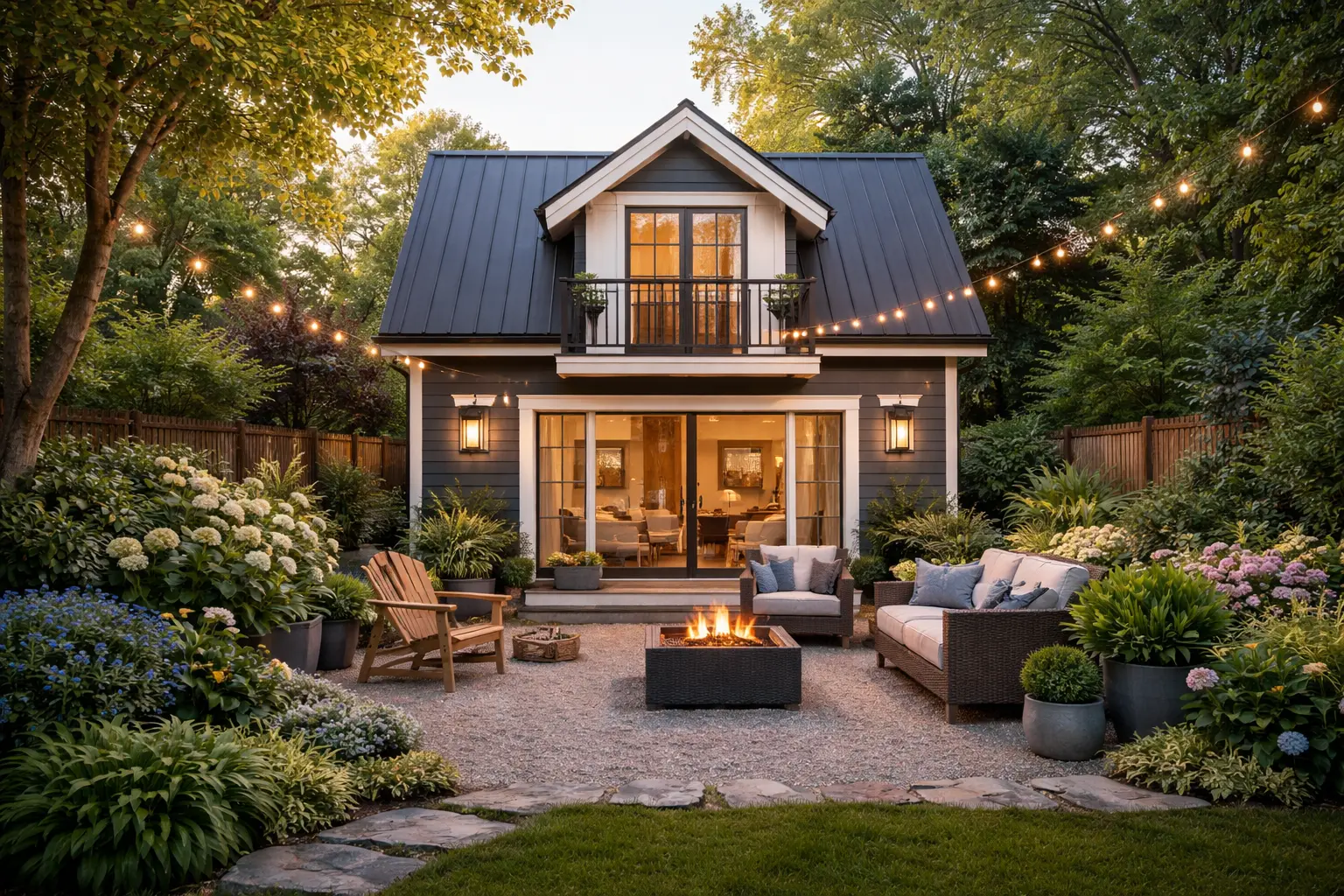
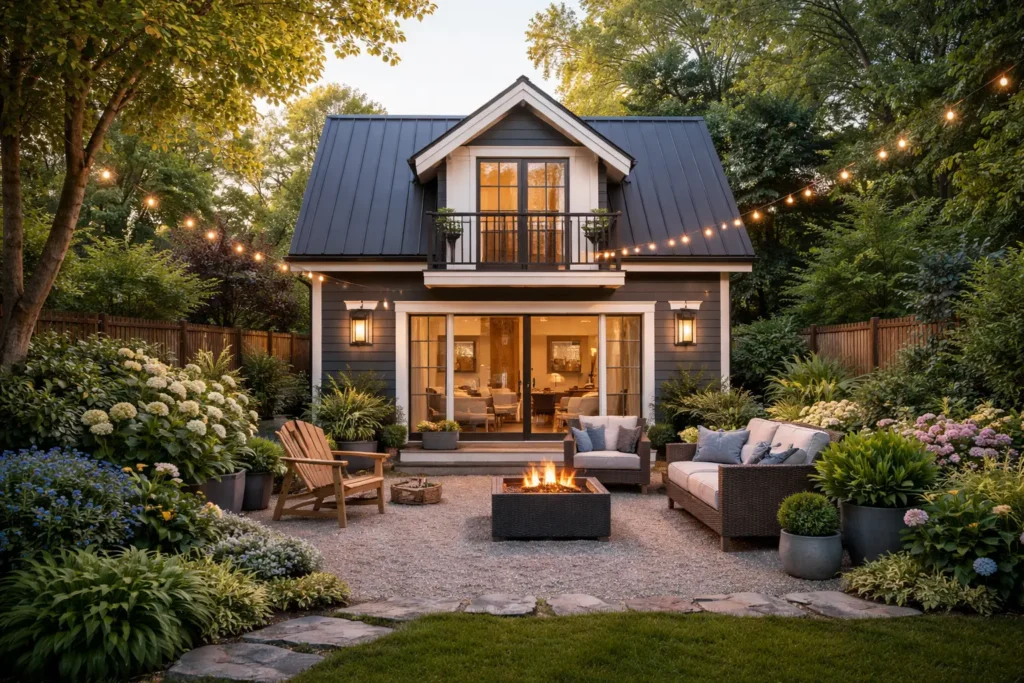
Modular backyard Coach Houses & Garden Suites with PU panel/sandwich panel Permits and Regulations
Working from home has become increasingly popular, with many people seeking dedicated workspaces. A backyard Coach Houses & Garden Suitesoffers a fantastic solution, providing a separate, focused environment for productivity. Whether you envision a converted shed, a custom-built structure, or a sleek Modular office, having the right space can significantly enhance your work-life balance. However, before you start building your dream office, it’s essential to understand one crucial aspect: backyard Coach Houses & Garden Suites permits. Securing these permits is not just a formality; it’s a legal requirement designed to protect you, your property, and your community. This guide will walk you through the process of understanding and obtaining the necessary backyard Coach Houses & Garden Suites permits.
Backyard Coach Houses & Garden Suites permits ensure compliance with local building codes, zoning regulations, and safety standards. These regulations, stemming from zoning ordinances and building codes, are in place to guarantee structural integrity, safety, and neighborhood harmony. Failing to obtain the correct permits can lead to various penalties, including fines, stop-work orders, and even demolition orders. Moreover, it can complicate matters if you decide to sell your property. Conversely, obtaining a permit provides tangible benefits, such as increased property value, structural safety assurance, and peace of mind. As you explore options like a Modular office or a prefab office with structural sandwich panel, remember that these choices, while potentially streamlining the building process, still require permits and must adhere to local regulations.
Now, let’s explore the world of backyard Coach Houses & Garden Suites permits in detail.
Why You Need a Backyard Coach Houses & Garden Suites Permit: Legal Requirements and Benefits
So, why are backyard Coach Houses & Garden Suites permits so important? Simply put, they are a legal necessity when constructing a structure on your property. This is mainly due to two key components: building codes and zoning ordinances. Building codes are sets of standards for construction, which are designed to ensure the safety and structural integrity of the build. They cover every aspect of construction, including electrical, plumbing, structural, and fire safety. Compliance with these codes is paramount for the safety of anyone using the space and protects the structure’s longevity.
Zoning ordinances, on the other hand, dictate how you can use your property. They lay out the rules that specify how a property can be used. These can include restrictions on size (total square footage), height, and setbacks. Setbacks determine how far your structure must be from your property lines, other buildings, and utilities.
The consequences of failing to obtain the necessary backyard Coach Houses & Garden Suites permits can be significant. You might face fines, and stop-work orders, and you might even be ordered to demolish the structure. Furthermore, selling your property becomes significantly more challenging without the proper permits.
However, there are advantages to obtaining permits. A permit provides assurance that the structure has been built to meet safety standards. Having a properly permitted structure increases your property’s value, which can provide a return on investment. Perhaps most importantly, obtaining a permit provides you with peace of mind.
For those considering a modular office, the process of obtaining permits is still necessary, but the pre-engineered design of container offices might streamline this process.
Navigating Local Regulations for Backyard Coach Houses & Garden Suites Permits
The world of backyard Coach Houses & Garden Suites permits is governed by local governments. This means that the rules and regulations vary greatly depending on where your property is located, whether you’re in a bustling city or a more rural county. It’s important to understand this because what’s allowed in one area might be strictly prohibited in another.
To find your local zoning ordinances and building codes, start with an online search using terms like “city/county name” + “zoning regulations” or “building codes.” Most local governments have websites with detailed information about zoning and building regulations. You’ll typically find this information on the building department or planning and zoning sections of these websites.
You could also visit the local government offices in person, such as the building department or planning and zoning department. Speaking with a zoning officer or building inspector can also be a helpful way to get your questions answered.
- Size and Height Restrictions: There are often limits on the maximum square footage of your backyard Coach Houses & Garden Suites and height restrictions, measured from ground level to the roof.
- Setback Requirements: These rules specify the minimum distance your structure must be from your property lines, other buildings, and utilities.
- Allowable Uses: Zoning ordinances specify what you can use your building for. Backyard Coach Houses & Garden Suites are generally for home office purposes. Commercial use may require additional permits.
- Modular office designs also typically need to adhere to specific size and height restrictions.
Example: Imagine you live in a town with a zoning ordinance that limits accessory structures (like a Coach Houses & Garden Suites) to a maximum of 400 square feet and a height of 12 feet. You would need to ensure your backyard Coach Houses & Garden Suites design adheres to these requirements. You must also consider setback rules. If the ordinance requires a 5-foot setback from property lines, your structure must be at least five feet from your property boundaries. For those considering container offices, understanding these restrictions is crucial, as they will dictate the size and placement of your workspace.
Key Factors Affecting Backyard Coach Houses & Garden Suites Permit Approval
Understanding the key factors that influence backyard Coach Houses & Garden Suites permit approval is crucial for a smooth process. You need to pay attention to your local rules.
- Size and Height Restrictions: Be sure your plan adheres to the maximum square footage and height limits imposed by your local government. Exceeding these limits is a very common reason for permit denial. These measurements are carefully defined, so make sure you understand how your local authorities calculate them.
- Allowable Uses: Your backyard Coach Houses & Garden Suites should primarily be used as a home office. If you’re planning on using the space for commercial purposes, like retail or manufacturing, you might need a different permit, and it may not be permitted in all zones.
- Setback Compliance: Setback regulations, which dictate how far your structure must be from your property lines, are crucial. These rules are to ensure adequate space for emergency access, utilities, and maintain neighborhood aesthetics.
- Design Considerations and Materials: Choosing the right materials and design is very important. You might need to use specific materials that meet building codes, like fire-resistant materials.
- Modular Office and Prefabricated Considerations: Using Modular office designs can sometimes streamline the permit process because they often come with pre-approved plans. Additionally, prefab office with structural sandwich panel construction can make it easier to meet energy efficiency standards and building codes, thanks to the use of a structural sandwich panel!
Consider these factors carefully when designing your backyard Coach Houses & Garden Suites project. When considering a container office, the pre-engineered nature often simplifies these considerations.
| Factor | Description |
|---|---|
| Size and Height Restrictions | Adhere to maximum square footage and height limits. |
| Allowable Uses | Primarily for home office; commercial use may require additional permits. |
| Setback Compliance | Adhere to minimum distances from property lines, other buildings, and utilities. |
| Design and Materials | Use appropriate, code-compliant materials and designs. Consider fire-resistant materials and adherence to aesthetic guidelines. |
| Modular/Prefab Considerations | Pre-engineered designs and the use of structural sandwich panels can streamline the process. |
The Permit Application Process
The backyard Coach Houses & Garden Suites permit application process can seem daunting, but breaking it down step by step makes it more manageable.
- Initial Consultation (Optional): Some jurisdictions offer a pre-application consultation to discuss your project.
- Application Forms: You will need to complete the permit application forms.
- Required Documentation: This is a list of the typical documentation required:
- Site Plan: A scaled drawing of your property that shows the location of your backyard Coach Houses & Garden Suites and other structures.
- Floor Plans: Scaled drawings of the interior layout.
- Elevation Drawings: Drawings showing the exterior views of your backyard Coach Houses & Garden Suites.
- Electrical Plans: Diagrams showing the electrical layout.
- Structural Calculations (May Be Required): Structural calculations might be required for certain structures.
- Fees: Permit applications involve fees that depend on the project’s scope and local jurisdiction.
- Submission: You typically submit your application and required documents online, in person, or by mail.
- Review and Approval: The local building department will review your application and documentation.
- Permit Issuance: Once your application is approved, the permit is issued.
Review times can vary, from a few weeks to several months.
If the application is denied, find out why and make the necessary changes to get it approved. Hiring a professional to help with the application process can be helpful. For those considering a DIY backyard Coach Houses & Garden Suites kit, ensure that the kit’s plans and specifications meet local requirements during this application process.
Backyard Coach Houses & Garden Suites Design and Permit Compliance
The design of your backyard Coach Houses & Garden Suites plays a significant role in achieving permit compliance. Planning your design with the regulations in mind can save you time and money and prevent costly revisions.
- Design for Compliance:
- Material Selection: Use materials that meet building codes and local regulations. Consider things such as fire-resistant materials and materials that can withstand the weather.
- Structural Integrity: Make sure the structure meets all local requirements.
- Adherence to Design Guidelines: Some jurisdictions have design guidelines or aesthetic requirements, so be aware of them.
- Prefabrication and Modular Advantages: Using prefab office with structural sandwich panel and Modular office designs can simplify compliance. These designs often come with pre-approved plans, especially those using a structural sandwich panel, which are designed to comply with building codes and the use of structural sandwich panel makes sure that the structure meets the requirements. This can help to streamline the application process.
- Energy Efficiency Standards: Increasingly common are energy efficiency standards. Be aware of the insulation requirements, window ratings, and HVAC system requirements.
- ADA Compliance (If Applicable): If your backyard Coach Houses & Garden Suites is to be used by people with disabilities, it must comply with ADA standards.
- Choosing a Contractor: Hire a qualified contractor who has experience in backyard Coach Houses & Garden Suites construction and permitting.
Inspections and Final Approval
Once your backyard Coach Houses & Garden Suites is built, you must undergo inspections. This is a crucial step that ensures your structure meets all the required safety and building codes.
- The Inspection Process:
- Types of Inspections: Common inspections include foundation, framing, electrical, plumbing, and a final inspection.
- Scheduling Inspections: You will need to schedule inspections.
- Inspector’s Role: The inspector will make sure your construction meets the approved plans and local building codes.
- What Inspectors Look For:
- Code Compliance: Ensure compliance with all applicable building codes.
- Adherence to Approved Plans: Verify that the construction matches the approved plans.
- Safety Features: Check for safety features, such as proper wiring and smoke detectors.
- Structural Integrity: Verify the structural integrity of the build.
- Steps for Final Approval:
- Correcting Deficiencies: If the inspector finds any deficiencies, you will need to correct them.
- Re-Inspections: Re-inspections may be required to verify that the issues are fixed.
- Final Sign-Off: Once all inspections pass, the inspector will issue a final sign-off, meaning that your backyard Coach Houses & Garden Suites is approved for occupancy.
After final approval, you will commonly get a Certificate of Occupancy.
Conclusion: Building Your Backyard Coach Houses & Garden Suites Legally
In conclusion, obtaining backyard Coach Houses & Garden Suites permits before starting construction is more than just a formality; it’s a legal requirement. We’ve discussed the importance of complying with all local regulations and building codes to ensure safety, protect property value, and provide peace of mind. By taking the time to understand the permit process and adhering to the guidelines, you can build your backyard office legally.
Here are some resources for further information:
- Links to local government websites (building departments, planning and zoning).
- Links to relevant guides or publications.
- Contact information for local building departments.
- Links to relevant professional organizations (architects, contractors).
To start your project off on the right foot, consult with your local building department before you start your backyard Coach Houses & Garden Suites project. Good luck!
Here are a few major cities with official websites :
City, Province, Website
Toronto,Ontario,https://www.toronto.ca
Ottawa,Ontario,https://ottawa.ca
Mississauga,Ontario,https://www.mississauga.ca
Brampton,Ontario,https://www.brampton.ca
Hamilton,Ontario,https://www.hamilton.ca
London,Ontario,https://london.ca
Markham,Ontario,https://www.markham.ca
Vaughan,Ontario,https://www.vaughan.ca
Kitchener,Ontario,https://www.kitchener.ca
Windsor,Ontario,https://www.citywindsor.ca
Richmond Hill,Ontario,https://www.richmondhill.ca
Oakville,Ontario,https://www.oakville.ca
Burlington,Ontario,https://www.burlington.ca
Montreal,Quebec,https://montreal.ca
Quebec City,Quebec,https://www.ville.quebec.qc.ca
Laval,Quebec,https://www.laval.ca
Gatineau,Quebec,https://www.gatineau.ca
Longueuil,Quebec,https://www.longueuil.quebec
Calgary,Alberta,https://www.calgary.ca
Edmonton,Alberta,https://www.edmonton.ca
Red Deer,Alberta,https://www.reddeer.ca
Lethbridge,Alberta,https://www.lethbridge.ca
Medicine Hat,Alberta,https://www.medicinehat.ca
Vancouver,British Columbia,https://vancouver.ca
Surrey,British Columbia,https://www.surrey.ca
Burnaby,British Columbia,https://www.burnaby.ca
Richmond,British Columbia,https://www.richmond.ca
Coquitlam,British Columbia,https://www.coquitlam.ca
Langley,British Columbia,https://www.langleycity.ca
Delta,British Columbia,https://www.delta.ca
Abbotsford,British Columbia,https://www.abbotsford.ca
Kelowna,British Columbia,https://www.kelowna.ca
Victoria,British Columbia,https://www.victoria.ca
Nanaimo,British Columbia,https://www.nanaimo.ca
Winnipeg,Manitoba,https://www.winnipeg.ca
Regina,Saskatchewan,https://www.regina.ca
Saskatoon,Saskatchewan,https://www.saskatoon.ca
Halifax,Nova Scotia,https://www.halifax.ca
St. John’s,Newfoundland and Labrador,https://www.stjohns.ca
Fredericton,New Brunswick,https://www.fredericton.ca
Moncton,New Brunswick,https://www.moncton.ca
Charlottetown,Prince Edward Island,https://www.charlottetown.ca
Whitehorse,Yukon,https://www.whitehorse.ca
Yellowknife,Northwest Territories,https://www.yellowknife.ca
Iqaluit,Nunavut,https://www.iqaluit.ca