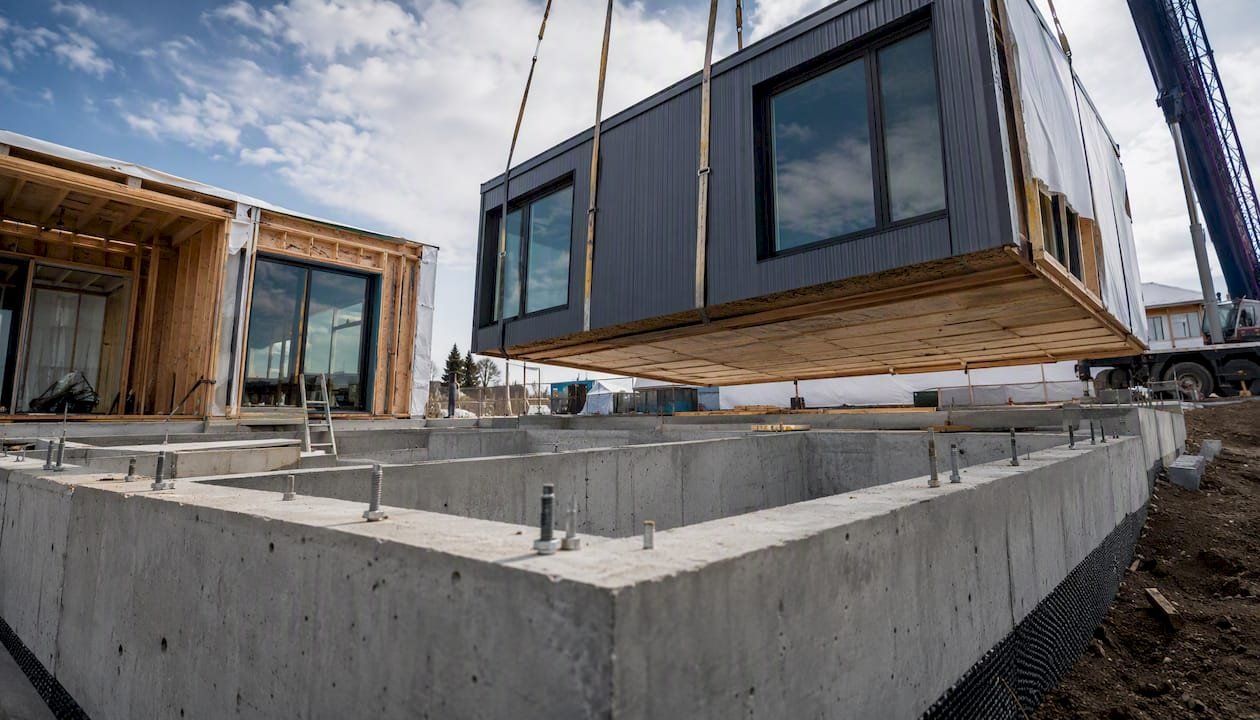
Yes, most modular homes can be financed like site-built homes when they’re titled as real property and placed on a permanent foundation. That single condition, real-property classification, is what unlocks conventional mortgages, FHA, VA, and USDA programs instead of pushing you toward higher-cost chattel loans.
The short version: A modular home built to local building codes, set on a permanent foundation, and titled together with the land qualifies for the same mortgage programs as a stick-built house. The most common path for a new build is a single-close construction-to-permanent loan. For an existing modular home already on its foundation, a standard purchase mortgage usually applies. Your first move is finding a lender with direct modular experience and confirming your land and foundation status before you apply.
Common loan paths at a glance:
- Single-close construction-to-permanent loan — the default for new modular builds; one application, one closing, converts to a mortgage after occupancy
- Conventional mortgage — available once the home is permanently affixed and titled with the land
- FHA Title II — 3.5% down at 580+ credit score for qualifying modular homes on permanent foundations
- VA loan — 0% down for eligible veterans when a VA-approved builder is involved
- USDA loan — 0% down in qualifying rural areas, income limits apply
- Chattel or specialty loan — used when the home is not permanently affixed; higher rates, shorter terms, use only when necessary
Start with preapproval and confirm your land ownership and foundation plan with a lender who has closed modular deals before.
Table of Contents
- What makes a modular home different from a manufactured home?
- What loan types work for modular home financing?
- What does a modular home actually cost to finance?
- How do you find the right lender for a modular deal?
- How does financing an existing modular home differ?
- What’s changing in modular lending in 2026?
- Key Takeaways
- When modular financing is the right call
- Prefabmodularhome makes lender documentation easier
- Authoritative programs and resources to check
What makes a modular home different from a manufactured home?
This distinction matters more than almost anything else in the financing process. Lenders treat these two types of factory-built housing very differently, and a misclassification can send you straight to a denial or a chattel loan you didn’t need.
A modular home is built in sections at a factory, then transported to the site and assembled on a permanent foundation. Crucially, it’s built to the same local and state building codes (the International Residential Code, or IRC) that govern site-built homes. Once it’s on that foundation and titled with the land, lenders treat it exactly like a site-built home for underwriting purposes.
A manufactured home, by contrast, is built to the federal HUD code rather than local codes. It arrives on a permanent chassis, carries a HUD data plate, and is often titled as personal property rather than real estate. That distinction drives lenders into a completely different underwriting track, with different programs, higher rates, and stricter terms.
Modular vs. manufactured: what lenders actually check
| Feature | Modular Home | Manufactured (HUD-code) Home |
|---|---|---|
| Building code | Local/state IRC | Federal HUD code |
| Foundation | Permanent (required for real-property status) | May be on chassis or pier |
| Title | Titled with land as real property | Often titled as personal property |
| Loan programs available | Conventional, FHA, VA, USDA | Limited; often chattel or specialty |
| Mortgage rates | Comparable to site-built | Typically higher |
To get real-property treatment, a lender will want to confirm these items before underwriting:
- The home is permanently affixed to a foundation that meets local code (typically a poured concrete perimeter or slab)
- The chassis (if any) has been removed or is not the structural support
- The home and land are titled together as a single real-property unit
- A certificate of occupancy has been issued by the local jurisdiction
- The home carries a state-issued modular certification label, not a HUD data plate
What loan types work for modular home financing?
The right loan depends on whether you’re building new or buying an existing home, your credit profile, and whether you own the land. Here’s how the main options stack up.
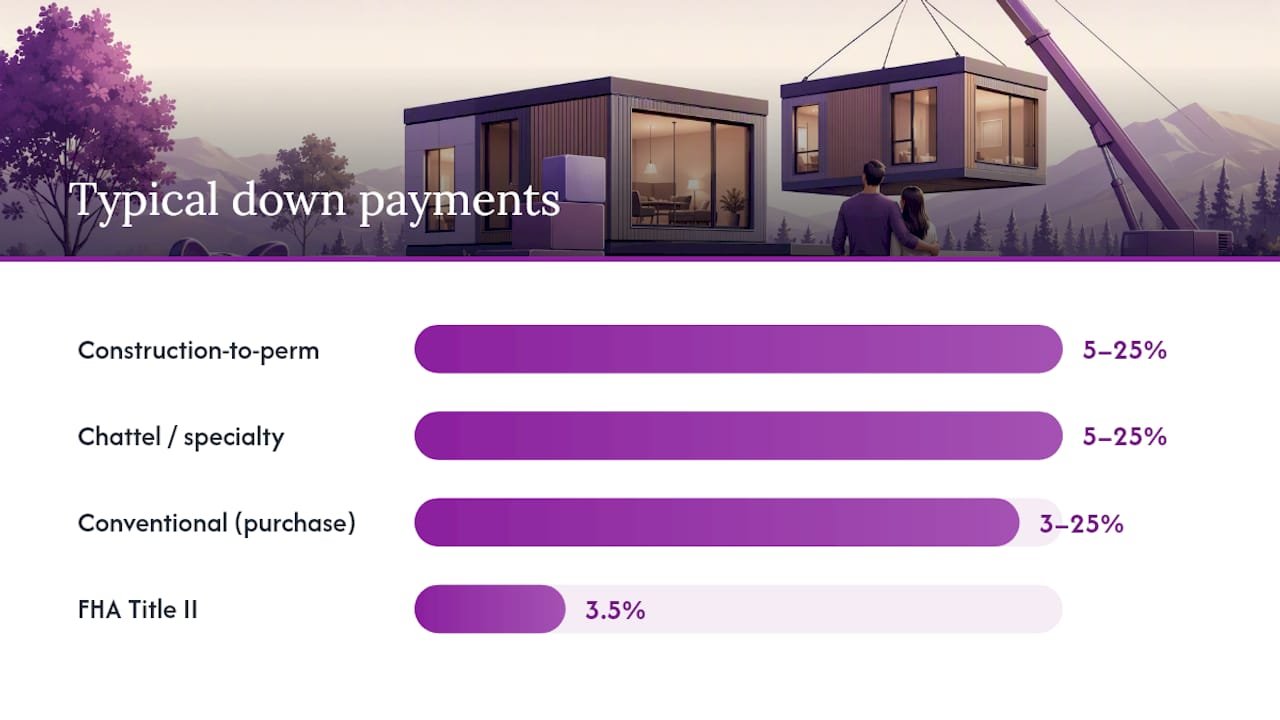
Single-close construction-to-permanent loans are the standard choice for new modular builds. One application and one closing cover both the construction phase and the long-term mortgage. After the certificate of occupancy is issued, the loan converts automatically to a permanent mortgage. You pay interest only on funds already disbursed during construction, which keeps carrying costs manageable while the home is being built. This structure simplifies fees and timing compared with financing construction and the permanent mortgage separately.
Conventional loans work well once a modular home is permanently affixed and titled with the land. Fannie Mae and Freddie Mac both have guidelines that allow modular homes to be treated as site-built for conforming loan purposes, which means access to competitive rates and standard down-payment requirements.
FHA Title II is a solid option for buyers with moderate credit. The program allows 3.5% down with a 580+ credit score, and the home must be on a permanent foundation and titled as real property. FHA does not finance manufactured HUD-code homes under Title II, so correct classification is non-negotiable here.
VA loans offer 0% down for eligible veterans and active-duty service members when a VA-approved builder handles the construction. The home must meet VA’s minimum property requirements, which include permanent foundation standards.
USDA loans cover qualifying rural properties with 0% down for borrowers within income limits. If the modular home sits on rural land and the household income qualifies, this is one of the most affordable entry points available.
Chattel or specialty loans apply when the home is not permanently affixed or when the borrower doesn’t own the land. Rates are higher and terms are shorter, so this path is worth avoiding if real-property classification is achievable.
Loan type comparison
| Loan Type | Typical Down Payment | Minimum Credit Score | Best For |
|---|---|---|---|
| Construction-to-perm (conventional) | 5%–25% | 620–640 | New modular builds on owned land |
| Conventional (purchase) | 3%–25% | 620 | Existing modular, real property |
| FHA Title II | 3.5% | 580 | Moderate credit, new or existing |
| VA | 0% | Varies by lender | Eligible veterans/service members |
| USDA | 0% | 640 (typical) | Rural land, income-qualified buyers |
| Chattel/specialty | 5%–25% | Varies | Non-affixed homes, land-lease situations |
- Government-backed programs require the home to meet permanent-foundation and code standards to qualify
- Titling the home separately from the land locks you out of conventional and government programs
- Many conventional lenders don’t have internal models for factory-built housing, so finding a modular-experienced lender matters as much as picking the right loan type
What does a modular home actually cost to finance?
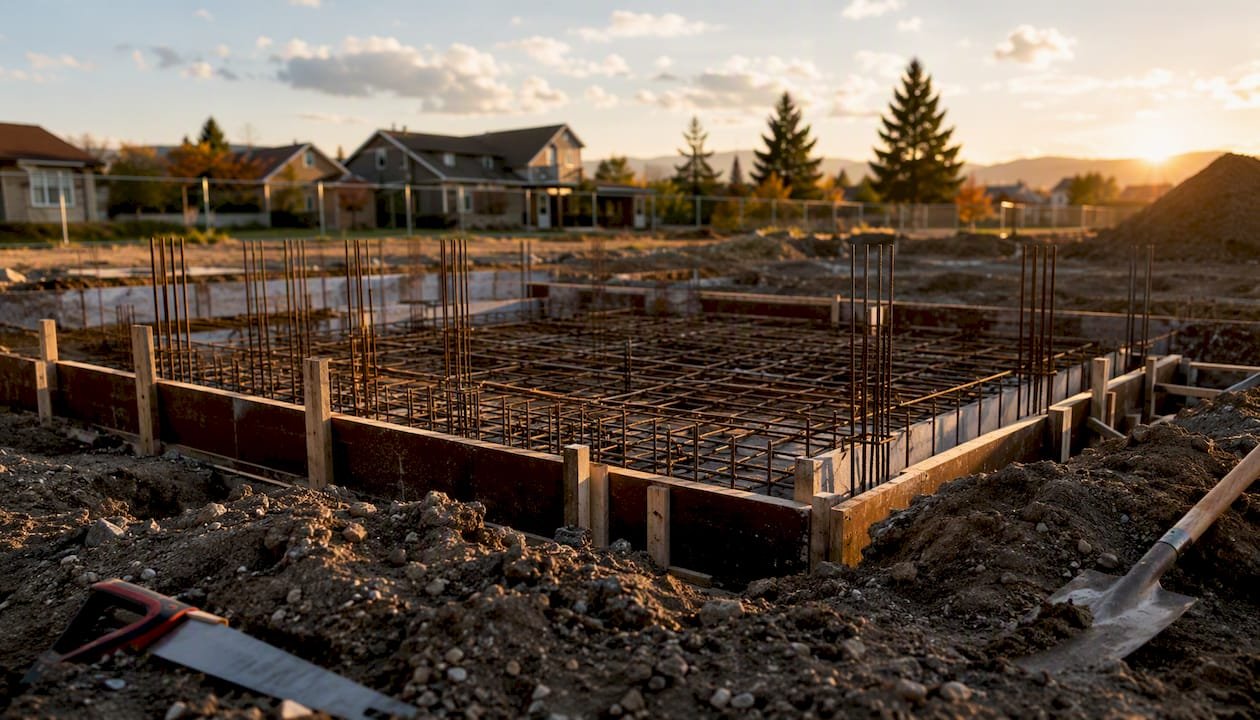
The factory price is only part of the number your lender needs to underwrite. Site preparation and foundation work typically add 10%–25% to the manufacturer’s price, and that range can stretch further on challenging sites.
Cost categories to include in your loan budget
| Cost Category | Typical Range | Notes |
|---|---|---|
| Factory/manufacturer price | Base cost | Varies by size, spec, and customization |
| Site preparation and grading | 10%–25% of factory price | Clearing, excavation, drainage |
| Foundation (perimeter/slab) | 10%–25% of factory price | Engineered design adds cost |
| Utility hookups | — | Septic, well, electric, gas vary widely |
| Permits and inspections | — | Jurisdiction-dependent |
| Interest carry during construction | Varies | Based on draw amounts and loan rate |
| Contingency reserve | 5%–10% of total budget | Lenders often require this |
Timeline matters for carrying costs. A typical modular build from factory order to move-in runs roughly 4–7 months, faster than most site-built homes. That shorter construction window reduces the interest-only carry period, which is one of the real financial advantages of modular over traditional construction.
Here’s a realistic sequence of the financial timeline:
- Preapproval and land purchase (if needed): 2–4 weeks
- Manufacturer contract, design finalization, and permit submission: 4–8 weeks
- Factory build: 6–12 weeks (runs parallel to site work)
- Site work and foundation: 4–8 weeks
- Module delivery, set, and assembly: 1–3 weeks
- Finish work, inspections, and certificate of occupancy: 2–4 weeks
Lenders expect to see a contingency reserve of 5%–10% of the total project budget. If site conditions surprise you (rock ledge, poor drainage, unexpected utility distances), that reserve is what keeps the project from stalling. Budget it in from day one, not as an afterthought.
How do you find the right lender for a modular deal?
Roughly 70% of conventional lenders avoid modular deals because their underwriting models weren’t built for factory construction. That means your lender search matters as much as your loan type selection.
Questions to ask every lender before committing:
- Have you closed single-close construction-to-permanent loans for modular homes in the past 12 months?
- Do you treat modular homes the same as site-built for underwriting, or do you apply manufactured-home guidelines?
- What does your draw schedule look like, and how many inspections do you require?
- How long is your rate lock, and what does an extension cost?
- Will you commit in writing to classifying the home as real property before I apply?
A lender who hesitates on the classification question or conflates modular with HUD-code manufactured housing is a lender who will create problems at underwriting. Walk away early.
Red flags to watch for: A lender who refers to your modular home as a “mobile home,” quotes you chattel loan rates without asking about your foundation, or can’t describe their draw inspection process in specific terms is not the right partner for this deal. Misclassification is the single most common reason modular buyers end up in higher-cost financing they didn’t need.
Using a lender finder focused on modular-friendly products can cut weeks off your search and steer you away from lenders who will mishandle the deal. Get the lender’s commitment on classification, draw timing, and rate-lock terms in writing before you pay any application fees.
How does financing an existing modular home differ?
Buying a modular home that’s already built and on its foundation is closer to a standard home purchase than a construction loan. The underwriting is simpler, but a few pre-purchase checks are worth doing before you apply.
Pre-purchase checklist for an existing modular home:
- Confirm the home is titled as real property with the land, not as personal property
- Obtain the original modular certification label or state approval documents
- Verify the foundation type and get a foundation inspection if the records are unclear
- Request as-built drawings and any permits pulled during original construction
- Confirm all utility systems (water, sewer/septic, electric) are permanently connected and code-compliant
- Check that a certificate of occupancy was issued and is on file with the local jurisdiction
How financing options shift for an existing modular home
| Scenario | Loan Type | Key Requirement |
|---|---|---|
| Home on permanent foundation, titled with land | Conventional, FHA, VA, USDA | Standard purchase underwriting |
| Home on foundation, titled separately from land | Specialty or chattel loan | Higher rates; work to retitle if possible |
| Home on chassis, not permanently affixed | Chattel or specialty only | Cannot access standard programs |
| Home recently set, not yet titled with land | Construction-to-perm or bridge | Confirm foundation cert before closing |
The appraisal process for an existing modular home uses the same site-built comps approach as a new build, provided the home is real property. The appraiser will look at the foundation, the local code compliance documentation, and the condition of the home. Deferred maintenance or missing permits from the original build can create appraisal problems, so pull those records before you make an offer.
What’s changing in modular lending in 2026?
The trend line is clearly positive for modular buyers. Lenders are increasingly willing to treat qualifying modular homes exactly like site-built homes, which means better rates, access to conforming loan limits, and faster underwriting when the classification checklist is clean.
In 2026, modular homes that meet permanent-foundation and titling requirements commonly qualify for traditional mortgage products with competitive rates and longer terms. Mortgage rates in the current environment are broadly in the mid-6% range for well-qualified borrowers, though rates shift with market conditions and individual credit profiles.
Key developments to ask your lender about:
- Expanded FHA, VA, and USDA availability for modular homes that meet permanent-foundation standards
- Fannie Mae and Freddie Mac conforming treatment for modular homes titled as real property, which opens access to conforming loan limits
- Wider availability of single-close construction-to-permanent products from regional banks and credit unions that have added modular experience
- Streamlined appraisal guidance that allows modular homes to be compared directly to site-built comps without additional overlays
The practical effect: buyers who would have been pushed toward chattel loans five years ago now have a realistic path to conventional financing, provided they get the foundation and titling right from the start.
Statistic to note: Wider acceptance of modular as real property is the single biggest shift in the lending market, and it’s driven by lenders recognizing that a properly classified modular home carries the same collateral risk as a site-built home of equivalent value.
Key Takeaways
Modular home financing works like a site-built mortgage when the home is on a permanent foundation and titled as real property with the land.
| Point | Details |
|---|---|
| Classification is everything | A permanent foundation and real-property title unlock conventional, FHA, VA, and USDA programs. |
| Single-close loans for new builds | Construction-to-permanent loans combine one application and one closing, with interest-only payments during the build. |
| Site costs add 10%–25% | Foundation, site work, and utilities typically add 10%–25% to the factory price; budget them into the loan from day one. |
| Find a modular-savvy lender | Most conventional lenders avoid modular deals; use a lender finder or specialty team to avoid misclassification. |
| Prefabmodularhome supports underwriting | Prefabmodularhome provides detailed product specs, SIP documentation, and assembly timelines that lenders can use during underwriting. |
When modular financing is the right call
The buyers who get the most out of a construction-to-permanent modular loan share a few traits: they want cost certainty before breaking ground, they’re working with a defined timeline, and they’d rather have a factory-controlled build quality than the variability of site construction.
What gets underestimated is how much the single-close structure protects a buyer. You lock your permanent rate at the start, you know your monthly payment before the first module ships, and you’re not exposed to a second qualification event if your income or credit shifts during construction. That’s a real advantage over two-close financing, especially in a rate environment where locking early has value.
The situation where modular financing is the wrong move is simpler than people think: if you can’t own the land or can’t get a permanent foundation certified before closing, you’re not ready for a construction-to-perm loan. Fix those two things first. Everything else in the financing process follows from them.
For a buyer who already owns land and has a 640+ credit score, the path to a competitive modular mortgage is shorter than most people expect. The paperwork is heavier than a standard purchase, but the economics, especially with a shorter construction timeline and factory-controlled costs, often come out ahead of site-built alternatives.
Prefabmodularhome makes lender documentation easier
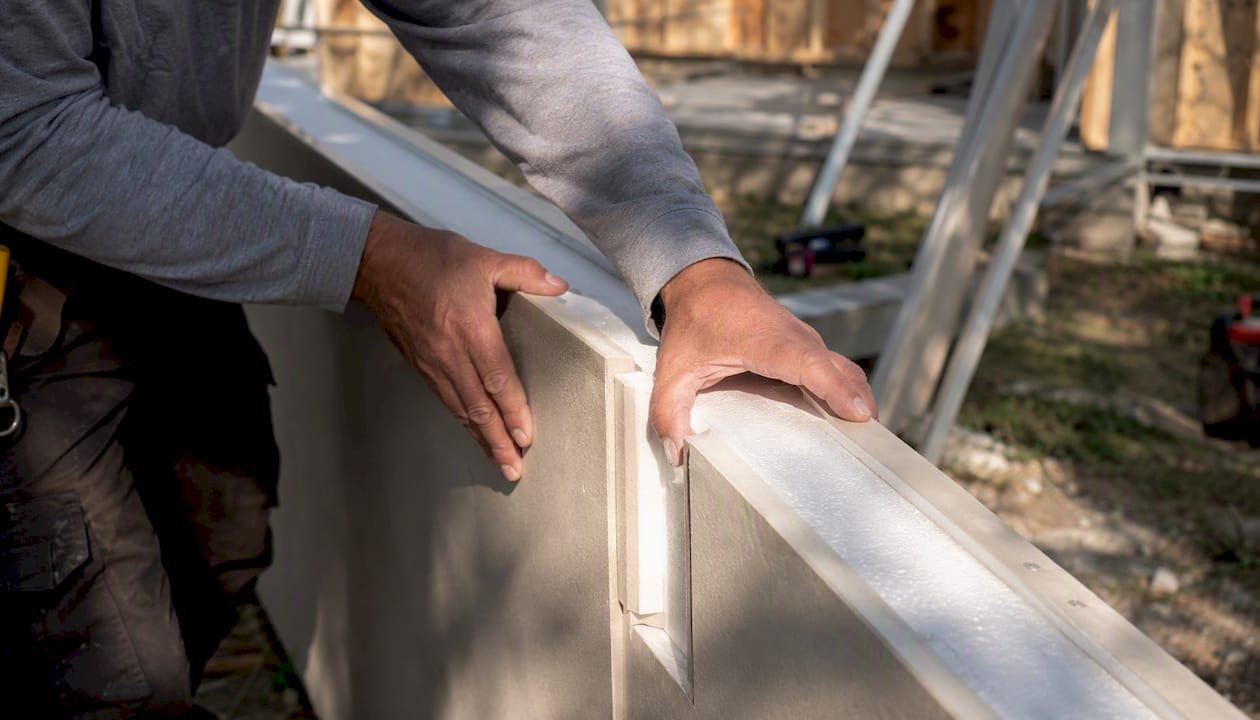
Getting a modular home financed faster often comes down to one thing: having the right paperwork ready when the lender asks for it. Prefabmodularhome’s prefab kit and SIP panel products come with detailed spec sheets, foundation requirement documents, and assembly timelines that translate directly into the lender-facing collateral underwriters need to move quickly.
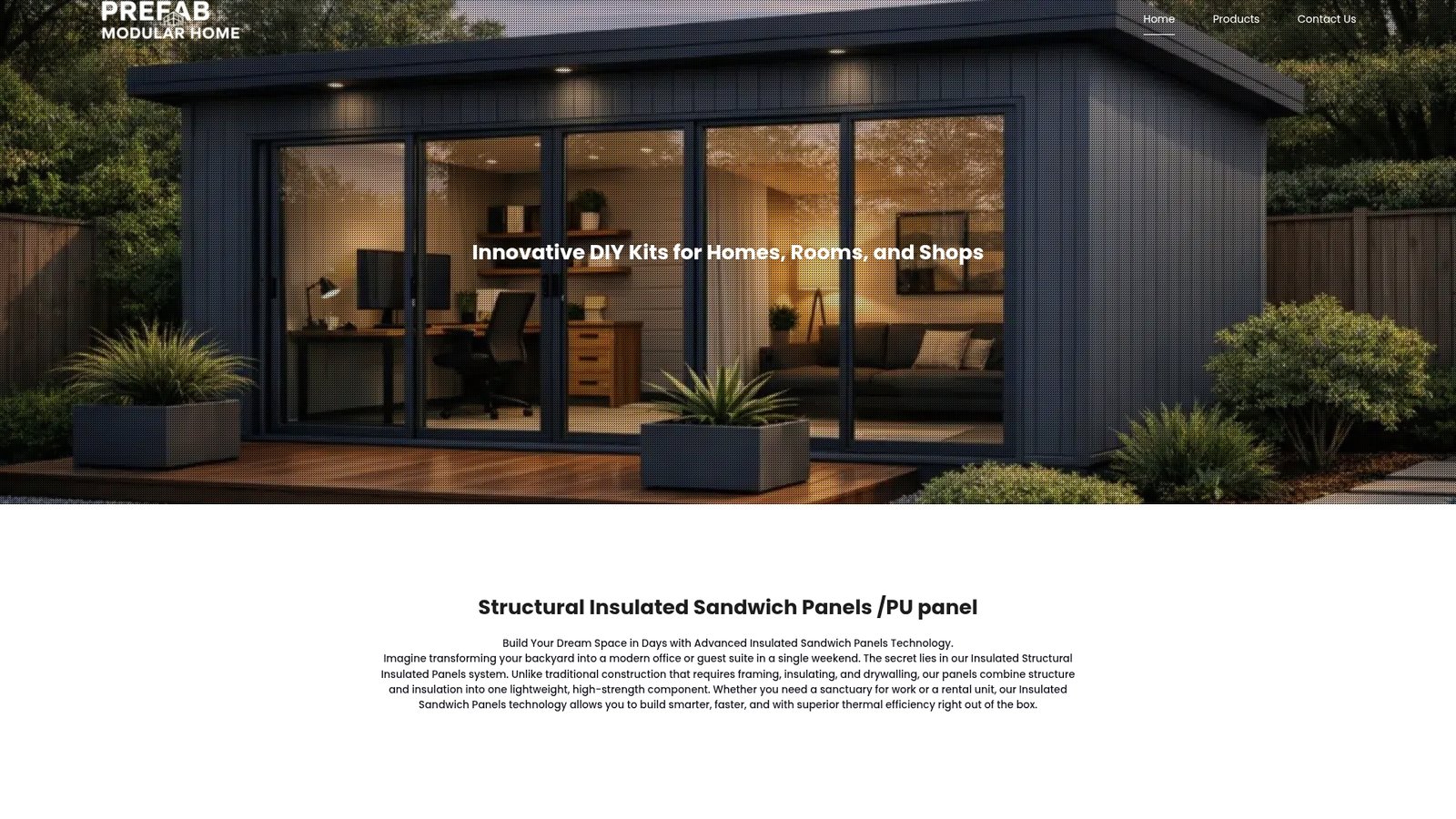
For buyers financing a new modular build, Prefabmodularhome can supply the manufacturer documentation your lender needs: panel specifications, structural performance data, installation schedules, and foundation requirements. These documents reduce back-and-forth with appraisers and underwriters, which shortens the approval timeline. Buyers planning a modular extension or addition can also review finished project examples to see how the kits translate to real-property improvements that support appraisal value. Browse the full product catalog and request a quote at prefabmodularhome.com/products to get the documentation package your lender will need.
Authoritative programs and resources to check
Federal programs and agencies:
- Do Banks Finance Modular Homes? Loan Options Explained – LegalClarity
- Modular Home Lending in 2026: How financing is changing
- Modular Home Financing Guide: Loans, Credit & Options – District Lending
- Modular homes financing – Security America Mortgage
- Modular Home Financing — Lender Match Tool | PERCH Financing Finder
- Financing a modular home | Rocket Mortgage
- Products – Modular Homes with Structural Insulated Sandwich Panels
Prefabmodularhome resources for buyers and lenders:
- Modular home permits guide — permit, zoning, and inspection requirements lenders verify for real-property classification
- Structural Insulated Panels (SIPs) guide — technical specifications and performance data useful for appraisal support
- Kit home assembly field guide — step-by-step assembly and timeline details that map to lender draw schedules
- Product catalog — full spec sheets and documentation for lender underwriting packages
Recommended
- Modular Home Permits: What Your Project Needs – Modular Homes with Structural Insulated Sandwich Panels
- Modular Home Extensions That Fit Real Life – Modular Homes with Structural Insulated Sandwich Panels
- Blog Archives – Modular Homes with Structural Insulated Sandwich Panels
- custom-modular-room-guide – Modular Homes with Structural Insulated Sandwich Panels