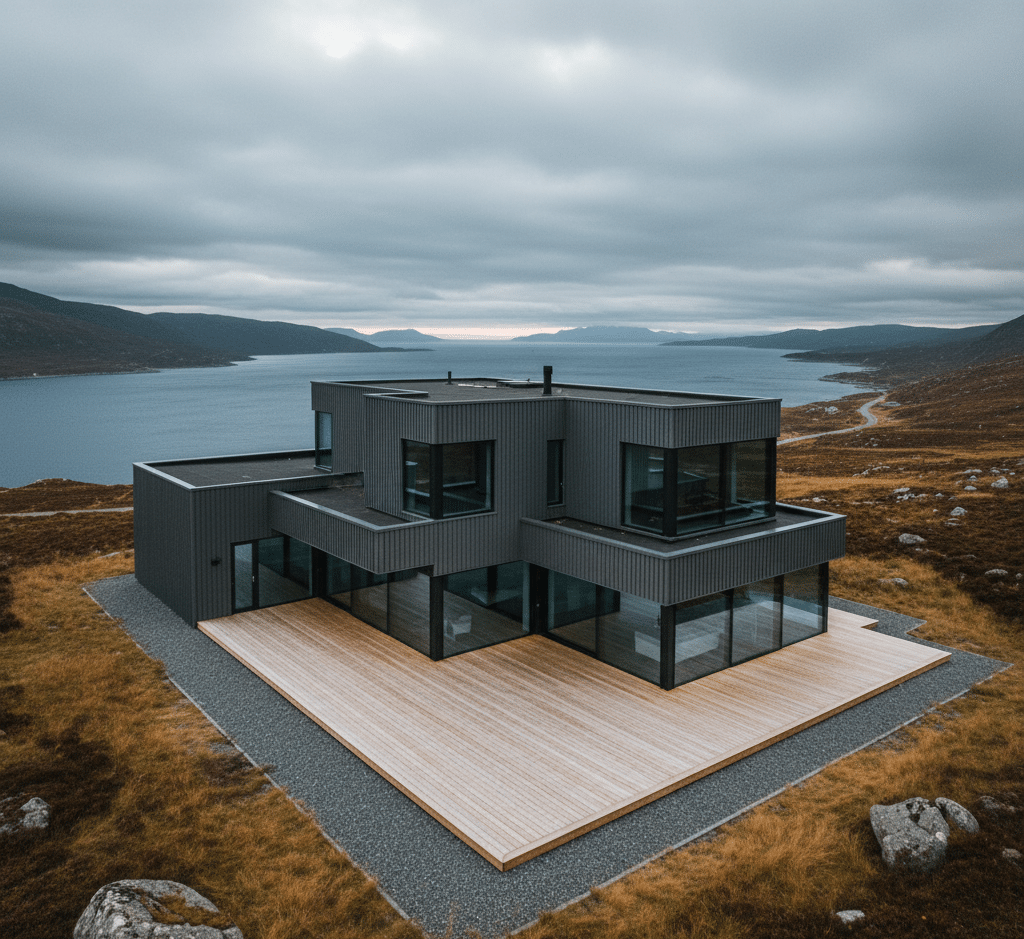
Modular backyard office with PU panel/sandwich panel: Your Comprehensive Guide
Are you looking for an energy-efficient and durable building solution? Then, you might want to consider Structural Insulated Panels (SIPs). These advanced building materials offer a remarkable blend of efficiency and strength. This guide will provide a comprehensive understanding of Structural Insulated Panels (SIPs), including their benefits, applications, and considerations for potential users. We’ll explore everything from their core components to how they stack up against traditional construction methods. Ultimately, the goal is to help you decide whether SIPs are the right choice for your construction projects.
In this guide, we’ll delve into the components, benefits, applications, and costs associated with SIPs.
Understanding SIPs: Components and Construction
Structural Insulated Panels (SIPs) are essentially high-performance building systems. Think of them as prefabricated building panels used for walls and roofs. They use cutting-edge insulated panel technology. A wall panel or roof panel with an efficient insulation core is one way to think of it.
SIPs are made of two main parts: a core insulation material and structural facings. The core insulation provides the thermal resistance, while the facings provide strength and stability.
Several materials can serve as core insulation. These often include expanded polystyrene (EPS), extruded polystyrene (XPS), and polyurethane (PU) foam. However, each type offers different levels of insulation, moisture resistance, and cost.
PU Panel: A Closer Look at Polyurethane Insulation
PU panel (polyurethane) is often the preferred choice. It is commonly used for its exceptional insulation properties. PU panels offer impressive thermal resistance, also known as R-value, which means they effectively slow heat transfer. They also resist moisture, preventing mold and mildew growth. The durability of polyurethane means it will last a long time, maintaining its insulating abilities. Furthermore, PU panels are made through a process that bonds the insulation to the structural facings. For more information, check out our guide on the benefits of PU panels in construction.
Structural Facings: The Backbone of SIPs
The structural facings are the outside layers of the SIPs. Their purpose is to offer structural support and strength. These facings are typically made from oriented strand board (OSB), engineered wood. Other materials might be used depending on the building’s needs.
Manufacturing Process and Assembly
The core insulation is bonded to the structural facings. This is done with adhesives and under pressure in a factory. This is a very controlled environment to ensure quality and consistency.
SIPs are fabricated in a factory to the exact dimensions needed for a specific project. This precision minimizes on-site waste and simplifies the assembly process. The panels are designed to interlock with each other, forming a complete building envelope that can be used for wall panels and roof panels.
Benefits of Using SIPs: Efficiency and Performance
One of the biggest advantages of Structural Insulated Panels is their ability to make buildings more efficient.
Energy Efficiency: The Core Benefit
The high insulation value of the insulated panel core significantly reduces heat transfer. This means the building stays cooler in the summer and warmer in the winter. As a result, this leads to lower heating and cooling costs. You might see energy savings of up to 50% compared to traditional construction.
Thermal Resistance: Understanding R-Value
R-value measures a material’s resistance to heat flow. The higher the R-value, the better the insulation. SIPs typically offer much higher R-values compared to traditional construction. While a standard wall panel might have an R-value of R-13, SIPs can achieve R-values of R-20 or higher. The same is true for the roof panel, but it is generally recommended to get the highest R-value possible for the climate.
Reduced Heating and Cooling Costs
With superior insulation and an airtight nature, SIPs can dramatically cut down on energy bills. The airtight nature of SIPs minimizes air leaks, further enhancing energy efficiency. That’s why many homeowners and businesses are choosing SIPs.
Structural Integrity and Strength
SIPs create a strong and durable building envelope. The panel’s construction helps it resist wind, snow, and seismic activity. They can withstand harsh weather conditions.
Other Advantages
- Reduced Construction Time: SIPs can speed up construction. Prefabricated panels are ready to assemble once they arrive on the building site.
- Air Tightness: SIPs are known for their airtight nature, which minimizes air leakage. This can improve energy efficiency.
SIPs vs. Traditional Construction: A Comparison
It’s helpful to see how SIPs stack up against traditional construction methods like stick framing.
Comparison Table
Here’s a comparison to help you understand the differences:
| Category | SIPs | Traditional Construction |
|---|---|---|
| Cost | Higher initial cost, long-term savings | Lower initial cost, potential for higher long-term costs |
| Installation Time | Faster installation | Slower installation |
| Energy Efficiency | Superior insulation, low energy consumption | Lower insulation, higher energy consumption |
| Environmental Impact | Lower carbon footprint, reduced waste | Higher carbon footprint, more waste |
| Structural Integrity | High resistance to weather, durable | Moderate resistance to weather |
| Air Tightness | Airtight building envelope, low air leakage | Higher air leakage |
Cost
SIPs usually cost more to start with, but they can save you money later. The long-term benefits include lower energy bills and less maintenance. Labor savings can also bring the cost down.
Installation
SIPs are quick to install, speeding up the construction process. Traditional methods take longer to put together.
Energy Efficiency
SIPs outperform traditional methods when it comes to keeping a building warm in the winter and cool in the summer.
Environmental Impact
SIPs are better for the environment because they help you use less energy. The manufacturing process also produces less waste.
Structural Integrity
SIPs are built to be strong and can handle harsh weather conditions. Traditional methods might not be as resilient.
Air Tightness
SIPs create an airtight seal, which can lead to better indoor air quality. Traditional methods are more prone to leaks.
Applications of SIPs: Where They Excel
Structural Insulated Panels are versatile, making them suitable for various projects.
Residential Buildings
SIPs are used to construct entire homes, additions, and extensions. They provide energy efficiency, durability, and a comfortable living environment. You might find insulated panel technology in both wall panel and roof panel systems, especially in residential construction. If you’re considering a residential project, you might also be interested in our DIY kit home solutions.
Commercial Buildings
SIPs are ideal for constructing offices, schools, retail spaces, and warehouses. In these spaces, SIPs bring energy efficiency, durability, and sometimes even noise reduction. The use of wall panels and roof panels made from SIPs in a commercial building is a great way to save money and improve efficiency. Consider using SIPs for your commercial projects as you would with our container shops and see how you can save!
Specific Examples
- For instance, in a commercial building, you might see energy-efficient, well-insulated wall panels made from SIPs.
- Many projects around the world are showcasing the versatility and performance of SIPs.
Materials and Cost Considerations for SIPs
Materials Used in SIP Construction
- Core Insulation: Expanded Polystyrene (EPS), Extruded Polystyrene (XPS), and Polyurethane (PU). The preferred choice is often the PU panel for its exceptional insulation properties.
- Structural Facings: Typically oriented strand board (OSB), but other materials like magnesium oxide board (MgO) or other engineered wood products are also used.
Cost Factors
- Initial Investment: SIPs typically have a higher upfront cost than traditional methods.
- Labor Costs: Installation times are generally faster with SIPs. This reduces the labor costs.
- Long-Term Savings: You will save money on energy bills and maintenance over time.
- Cost vs. Value: While SIPs may have a higher initial cost, they offer significant value over the lifespan of the building.
- Other Factors: Other factors can impact the cost. This can include site conditions, design complexity, and local building codes.
Installation and Maintenance of SIPs
Installation Process
It’s critical to hire experienced professionals who are familiar with SIP installation. Qualified installers are necessary.
Here’s how to install SIPs:
- Prepare the foundation and framing.
- Place and align the panels.
- Join and seal the panels.
- Integrate electrical and plumbing.
Maintenance of SIP Wall Panels and Roof Panels
SIPs are low-maintenance, so the upkeep is minimal. To keep your wall panels and roof panels in good condition, you should:
- Inspect them for any signs of damage or wear.
- Clean them as needed.
- Repair them if necessary.
Conclusion: Making the Right Choice with SIPs
Structural Insulated Panels (SIPs) offer a lot of advantages:
- Energy Efficiency: Save on energy costs.
- Structural Integrity: Strong and durable.
- Reduced Construction Time: Buildings go up faster.
- Environmental Advantages: A smaller carbon footprint.
Consider the initial cost and the need for qualified installers.
SIPs are a great option for many projects.
- Visit our website to learn more about SIPs and see examples of our projects.
- Contact us today for a free consultation and personalized assessment of your building project.
- Download our free guide to SIPs.