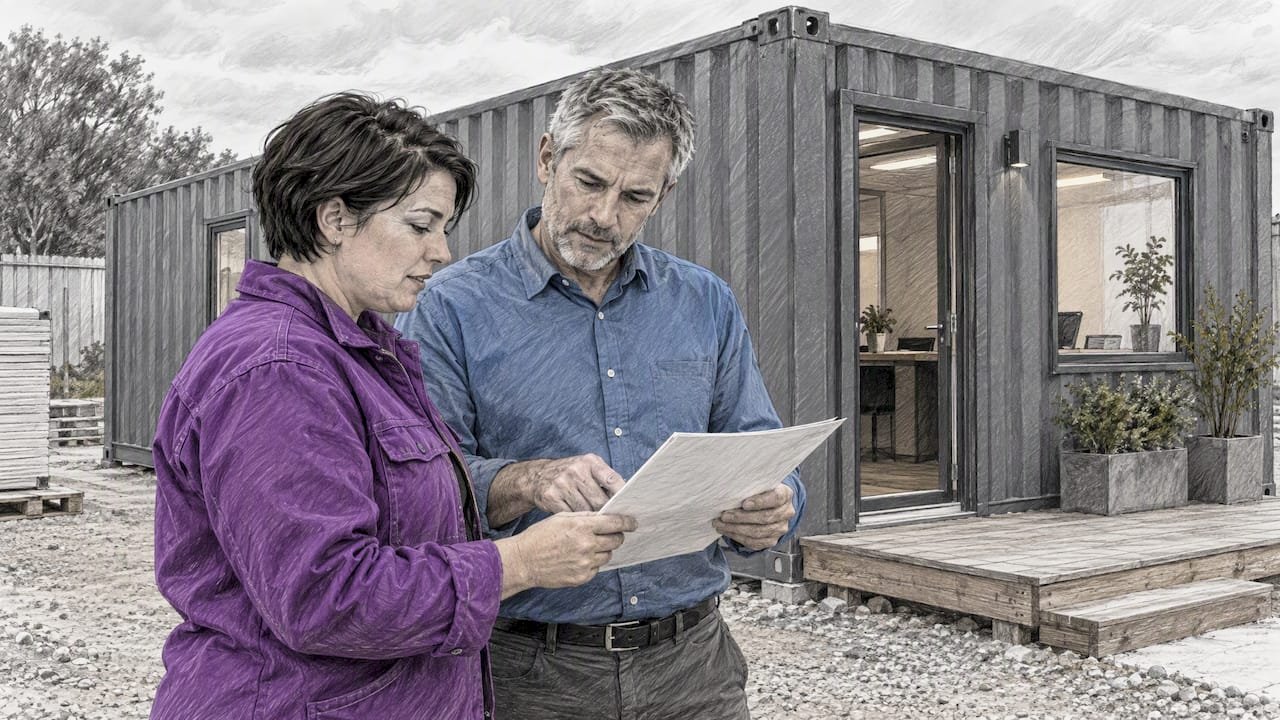
The fastest paths to funding a container office are vendor financing, an equipment loan, a lease or rent-to-own plan, and government-backed small-business loans. Vendor financing suits buyers who want speed and a calculator-based quote. Equipment loans fit businesses buying a finished unit outright. Leases work for short-term projects, and government programs reward applicants with solid financials and time to wait for approval.
TL;DR:
- Specialized equipment lenders can finance up to 125% of the purchase price for transport and installation; confirm coverage before applying.
- Budget an extra 10% to 25% above the unit price for delivery, site preparation, permits, and utility hookups, then verify which costs the quote includes.
- Vendor financing may approve the same day, while bank and government applications commonly take several weeks; match payment frequency to your revenue cycle.
- Established businesses with two years of financials usually get better equipment loan or government terms; solo buyers face less paperwork with vendor financing or leases.
Table of Contents
- Comparing your financing options at a glance
- From price estimate to delivery: how the process actually runs
- Which lenders and programs fit a container office purchase
- Budgeting for the real cost and timeline
- Getting your application ready and negotiating better terms
- Why container offices make a strong case for lenders
- A buyer’s view: financing to move-in
- How we support a financed container office purchase
- FAQ
- Sources
Comparing your financing options at a glance
Each route trades speed for flexibility in a different way, so matching the option to your timeline and credit profile matters more than chasing the lowest headline rate.
- Vendor or dealer financing: often the fastest route, using an online calculator to generate weekly or monthly payment estimates before you apply, with approval sometimes same-day.
- Equipment loans from specialized lenders: built for durable assets like container offices, and some lenders will finance up to about 125% of the equipment cost to cover transport and installation alongside the unit itself.
- Leases and rent-to-own plans: an operating lease keeps the unit off your balance sheet and suits short-term or seasonal projects, while a capital lease or rent-to-own plan builds toward ownership for buyers who want the asset long term.
- Government-backed loans: SBA 7(a) and 504 loans in the United States and the Canada Small Business Financing Program in Canada offer longer terms and competitive rates for qualifying small businesses, though approval takes longer than vendor or lease options.
Homeowners and solo buyers tend to gravitate toward vendor financing or a lease because the paperwork is lighter. Established businesses with two years of financials usually get better terms from an equipment loan or a government program.
From price estimate to delivery: how the process actually runs
Most financing journeys for a container office follow the same basic sequence, whichever lender you choose.
- Get a formal quote on the unit and any add-ons, then run it through a finance calculator to see weekly or monthly payment estimates and the deposit you will need.
- Submit an application, usually online, with your quote attached.
- Go through underwriting, where the lender reviews your business purpose, cashflow, and the asset’s specifications and resale value.
- Sign paperwork and schedule delivery, confirming whether transport, site prep, and installation are rolled into the loan or billed separately.
Lenders weighing residual-value risk on unconventional assets like modular units tend to move faster when the application includes clear specs and a durability case for the unit, since well-documented assets are easier to underwrite.
Pro Tip: Ask your lender upfront whether transport and installation can be bundled into the loan. It is often easier to roll these in at application than to add them after approval.
Which lenders and programs fit a container office purchase
Different lenders serve different borrower profiles, so it pays to approach more than one before committing.
- Specialized equipment finance companies tend to be the most flexible with container offices, often financing up to 125% of the purchase price to cover shipping and installation, and sometimes offering principal postponement or an interest-only start for the first 12 to 24 months.
- SBA 7(a) and 504 loans suit established U.S. businesses: 504 loans provide long-term, fixed-rate financing up to $5.5 million for major fixed assets, while 7(a) loans offer guarantees up to $5 million for acquiring or improving real estate and equipment.
- The Canada Small Business Financing Program helps smaller firms access term loans up to roughly $1 million for equipment and leasehold improvements, plus a $150,000 line of credit for businesses with $10 million or less in annual revenue.
- Local credit unions and community banks are worth checking too, since smaller issuers have shown APR spreads of 8 to 10 percentage points below large national issuers on some credit products.
Up to 125% of a container office’s purchase price can be financed through specialized equipment lenders, which means transport and installation often do not need to come out of pocket.
Budgeting for the real cost and timeline
A container office’s sticker price is only part of what you finance. Transport, installation, and permits can add meaningfully to the total, so building in a buffer protects your budget.
- Plan for an extra 10% to 25% above the base unit price to cover delivery, site prep, permits, and utility hookups.
- Down payments vary by lender type: vendor plans often ask for a smaller deposit than banks, while government-backed loans may require more documentation but offer longer repayment terms.
- Approval speed differs sharply: vendor financing can approve same-day, while bank and government loans commonly take several weeks.
- Repayment frequency affects cashflow: weekly payments suit businesses with steady weekly revenue, while monthly payments fit those billing clients on a monthly cycle.
Our container office cost breakdown walks through typical site-cost drivers if you want to size your buffer more precisely before applying.
Getting your application ready and negotiating better terms
A complete, well-organized application moves faster through underwriting and often unlocks better terms.
- Gather your documents: the signed quote, a product spec sheet, two years of business financials where available, a cashflow forecast, and identification or business registration.
- State your business use plainly: lenders respond well to a short explanation of how the office supports revenue or productivity, backed by a rough projection.
- Ask about principal postponement of 12 to 24 months or seasonal repayment schedules if your revenue is uneven through the year.
- Confirm what is financed: push to have transport and installation included in the loan amount rather than paid separately.
Expect lenders to ask about the asset’s expected lifespan and resale value. A detailed spec sheet answers that question before it is asked.
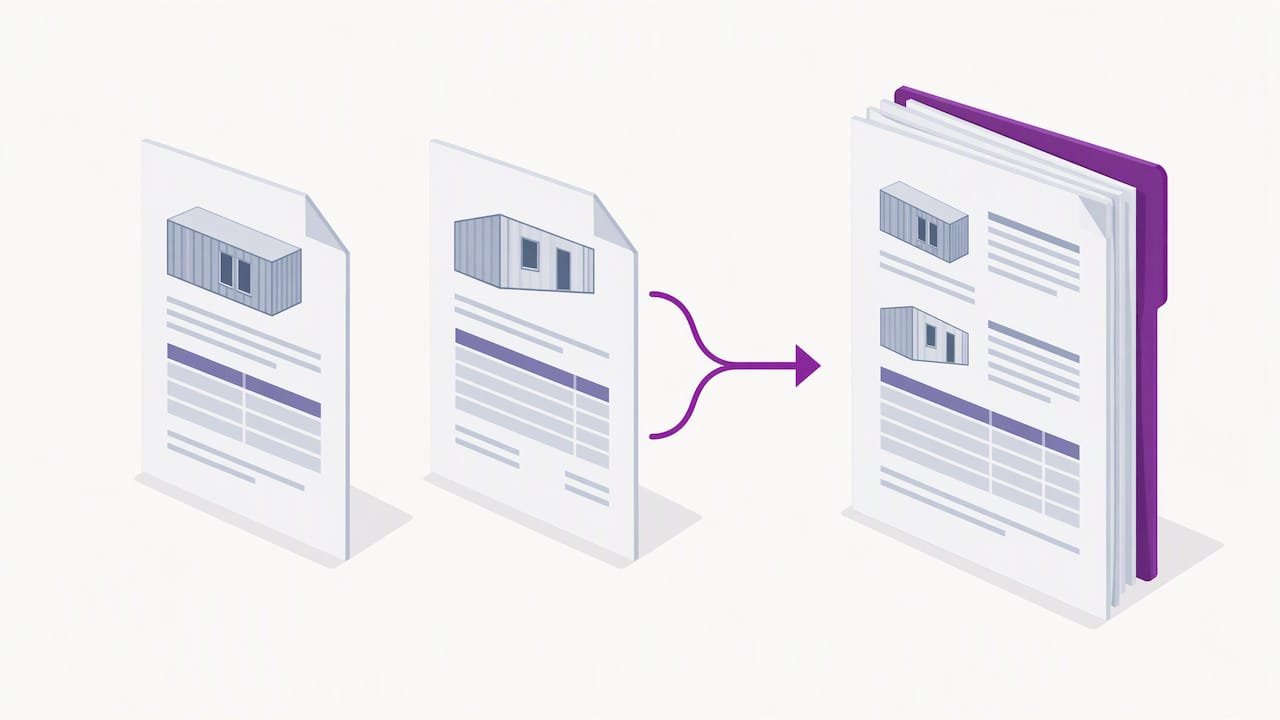
Pro Tip: Keep your spec sheet and quote in one document. Lenders move faster when they do not have to chase missing paperwork.
Why container offices make a strong case for lenders
A container office built from structural insulated sandwich panels gives lenders a documented, durable asset rather than a vague description of “a container with a desk in it.” Rapid assembly and strong insulation performance support a clearer case for resale value and longevity, which matters to lenders weighing residual-value risk on nonstandard equipment.
- Insulated sandwich panels integrate structure and insulation, which supports lower long-term energy costs that a lender can factor into the asset’s value.
- Fast assembly reduces the labor and site-cost estimates that go into a lender’s total project calculation.
- Clear product specifications, including build-time estimates and site-cost savings, give buyers material to include directly in a lender package.
A spec sheet that documents these details upfront tends to shorten the underwriting conversation rather than lengthen it.
A buyer’s view: financing to move-in
If you are weighing your own numbers, requesting a formal quote is the quickest way to see what a lender will actually offer.
— Kian
How we support a financed container office purchase
We build Container Offices and DIY KIT Rooms using structural insulated sandwich panels designed for fast assembly and lower energy costs over time, the kind of documented asset lenders respond well to.
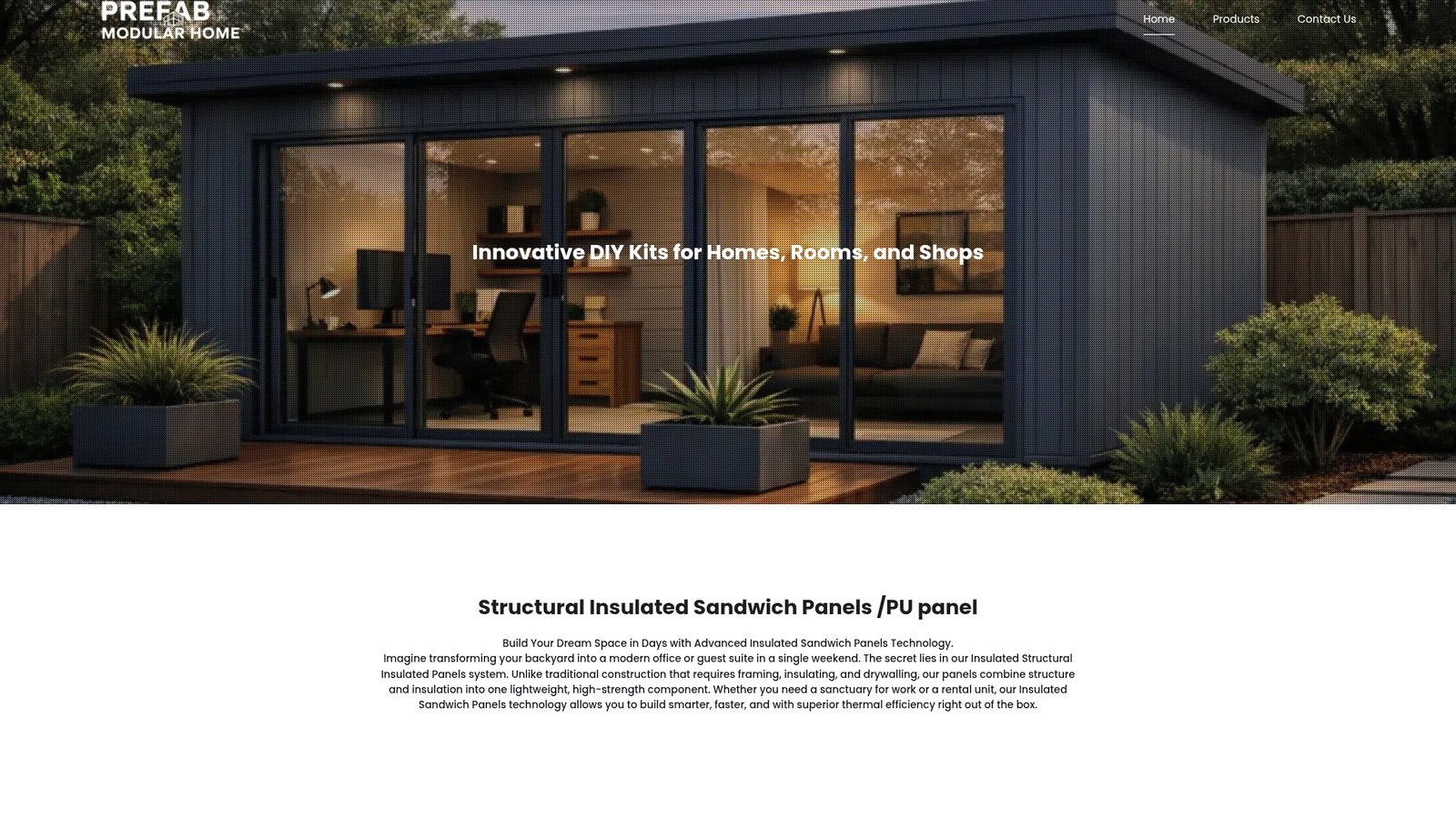
- We can provide a formal quote and product information to include in your lender application.
- We outline build-time estimates and site-cost savings you can share with an underwriter.
- Our product catalog covers Container Offices, DIY KIT Rooms, and related panel options if you are still comparing formats.
Request a quote on our Container Offices page to get the paperwork started.
This article is general information, not a substitute for advice from a qualified financial advisor. Consult a qualified financial professional about your own circumstances before acting on anything here.
FAQ
What is the fastest way to finance a container office?
Vendor or dealer financing is typically the fastest route, since many providers offer an online calculator and same-day approval once you submit a quote. Equipment loans and leases usually take longer because they involve a fuller underwriting review.
Can I finance transport and installation along with the unit?
Yes, many specialized equipment lenders will finance up to 125% of the purchase price to cover transport, installation, and related site costs. Confirm this with your lender before signing, since not every vendor plan includes it by default.
Do I need good credit to get container office financing?
Credit requirements vary by lender type: vendor financing and leases are often more flexible, while bank and government-backed loans typically expect stronger financials and credit history. Checking with a local credit union or community bank can also help, since smaller issuers have shown APR spreads of 8 to 10 percentage points below larger issuers on some products.
Are there government loan programs for container offices?
In the United States, SBA 7(a) and 504 loans can apply to equipment and real estate improvements, with 504 loans covering major fixed assets up to $5.5 million. In Canada, the Canada Small Business Financing Program offers term loans up to roughly $1 million for qualifying small businesses.
Are there tax benefits to financing a container office for business use?
A container office used as business property generally must be capitalized and depreciated rather than expensed all at once, according to IRS guidance on depreciation. Consult an accountant about Section 179 or MACRS treatment and the correct “placed in service” date for your specific situation.
Sources
- 504 loans
- Canada Small Business Financing Program guidelines
- Equipment financing: A step-by-step guide
- Equipment lenders seize opportunities in materials handling sector