The Ultimate Guide to Sandwich Panels: Installation, PU Panels, and Insulation Benefits
When it comes to building modern structures, choosing the right materials is super important. One material that’s becoming really popular is the sandwich panel. These panels are like a super-strong sandwich for buildings, offering great strength and keeping buildings warm or cool.
In today’s world, making buildings energy-efficient is a big deal. This means using materials that help save energy and money. This guide is here to help you understand all about sandwich panel systems. We’ll look closely at PU panels, which are a fantastic type of sandwich panel, and also walk you through the steps of sandwich panel installation.
Let’s dive in and discover why these building blocks are revolutionizing how we construct spaces.
What are Sandwich Panels?
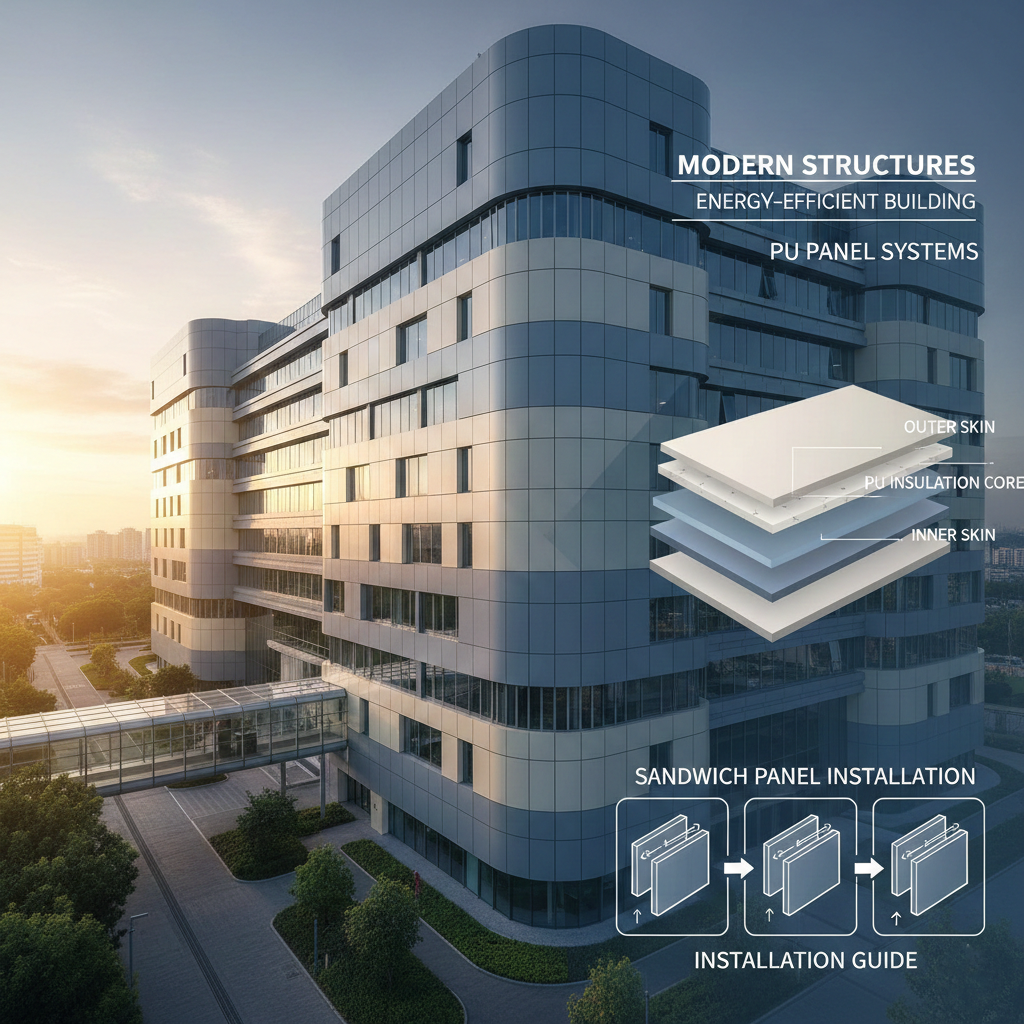
A sandwich panel is a special building material that’s built in layers. Imagine a tasty sandwich: you have bread on the outside and something delicious in the middle. A sandwich panel is quite similar! It has two strong outer layers, usually made of metal like steel or aluminum. These metal sheets are called facings.
In between these two facings, there’s a core material. This core is designed to be lightweight but also very effective at providing strength and insulation. The facings are firmly attached to this core, creating a strong and rigid panel.
Using sandwich panels for building has many great advantages. For starters, building with them is much faster than using traditional bricks or blocks. Because the panels are pre-made in a factory, they can be put together on-site quickly.
Also, they are excellent for keeping buildings warm in winter and cool in summer. This means less energy is needed for heating and air conditioning, which saves money and helps the environment. Plus, sandwich panel construction provides excellent structural strength, making buildings sturdy and safe.
While there are different types of materials used for the core, such as mineral wool or foam, our focus today is mainly on PU panels, which use Polyurethane as their core.
Deep Dive into PU Panels
Let’s take a closer look at PU panels. PU stands for Polyurethane, a type of plastic foam that’s incredibly good at insulating. Think of it as a super-warm blanket for your building. When used as the core in a sandwich panel, Polyurethane provides some amazing benefits.
The main reason PU panels are so popular is their fantastic thermal resistance. This means they are excellent at stopping heat from passing through them. They have very low U-values and high R-values, which are measures of how well insulation works. Essentially, they keep the heat inside during cold weather and outside during hot weather, making buildings very comfortable.
Another great thing about PU panels is that they are very lightweight. This makes them easier to transport and handle during construction. Because they are lighter, the supporting structure of the building might not need to be as heavy, which can also save money.
Despite being lightweight, PU panels are also quite strong. They have good mechanical strength, which helps them resist damage and provides structural support. Furthermore, Polyurethane is naturally resistant to moisture. This means it doesn’t easily absorb water, which is important for preventing mold and keeping the insulation effective over time.
When it comes to safety, PU panels also have good fire performance characteristics. Many PU panels meet specific fire safety ratings, ensuring they contribute to the overall safety of a building. This combination of excellent insulation, light weight, strength, and moisture resistance makes PU panels a top choice for insulation panels in many construction projects.
The Role of Insulation Panels in Construction
Now, let’s talk more broadly about insulation panels. While PU panels are a specific and excellent type, the idea of using insulation panels in general is crucial for modern building. These panels are designed to significantly improve a building’s energy efficiency.
How do insulation panels help? They act as a barrier, slowing down the transfer of heat. In winter, they help keep the warm air inside your home, so your heating system doesn’t have to work as hard. This means you use less energy for heating, which can lead to substantial savings on your energy bills.
In the summer, insulation panels do the opposite. They help keep the hot air outside, making your home cooler. This reduces the need for air conditioning, again saving energy and money. So, using good insulation panels is a smart way to manage your building’s temperature all year round.
Beyond saving money, insulation panels also offer significant environmental benefits. By reducing the amount of energy a building needs for heating and cooling, we lessen the demand for electricity and fossil fuels. This, in turn, lowers the amount of greenhouse gases released into the atmosphere. Therefore, choosing effective insulation panels is a step towards creating greener, more sustainable buildings and reducing our carbon footprint.
As we’ve seen, PU panels are a prime example of high-performance insulation panels. They offer exceptional thermal properties and contribute greatly to both the comfort and environmental performance of any structure.
Sandwich Panel Installation: A Step-by-Step Guide
Getting sandwich panel installation done correctly is very important. A good installation panel process ensures that your sandwich panel system, especially if you’re using PU panels, works as it should. It makes sure the panels are strong, secure, and provide the best insulation. Let’s break down the process step-by-step.
4.1 Pre-Installation Checks
Before any panels are put up, careful preparation is key. First, you need to make sure the site is ready. This means the foundation or the supporting structure where the panels will be attached must be clean, level, and stable. Any debris or unevenness needs to be fixed.
Next, you must verify all the materials. Double-check that you have the correct sizes and types of sandwich panel delivered. Also, inspect them for any damage that might have happened during transport. It’s also important to ensure you have all the necessary accessories, like fasteners, sealants, and flashing.
Finally, make sure all the tools and equipment are ready. This includes things like drills, saws for cutting panels, applicators for sealants, and lifting equipment if needed. Having everything prepared beforehand makes the installation panel process much smoother.
4.2 Structural Support and Framing
Sandwich panels need something solid to be attached to. This is usually a structural framework. This framework can be made of steel, concrete, or even timber, depending on the building’s design. The framework’s main job is to provide the support that the panels will rely on for their strength.
The way the panels are attached to this framework is critical for the overall stability of the building. Proper design and execution of the support structure ensure that the sandwich panel walls and roof can withstand wind loads, snow loads, and their own weight.
4.3 Panel Erection and Fixing
Once the framework is ready, it’s time to start erecting the panels. This involves carefully lifting the sandwich panel sections into place. It’s often done using cranes or other lifting equipment, especially for larger panels.
The panels are designed to connect to each other in specific ways. Many have interlocking edges, like puzzle pieces, that fit together. Others are joined using mechanical fixings. These are things like screws, bolts, or special clips that hold the panels securely side-by-side and to the supporting framework.
It’s vital to use the correct fasteners and place them in the recommended spots. This ensures a strong and lasting connection. During this stage, workers must constantly check that the panels are being installed perfectly straight (plumb) and level. This attention to detail during the installation panel process is essential for the final look and performance of the building.
4.4 Sealing and Weatherproofing
This step is incredibly important for ensuring your building stays dry and energy-efficient. The joints between panels, the corners of the building, and any openings for doors and windows need to be properly sealed. This prevents air and water from getting inside.
Sealants, which are like flexible glues, and gaskets, which are rubber strips, are used to create a tight seal. It’s crucial to use sealants that are compatible with the materials of the PU panels and the facings. Using the wrong type of sealant could cause it to break down over time, leading to leaks. A well-sealed building prevents drafts and stops water damage.
4.5 Cutting and Trimming
Sometimes, panels need to be cut to fit specific spaces or around obstacles. Sandwich panels can be cut on-site using appropriate tools. This might be necessary for corners, edges, or to make openings for windows and doors.
Safety is paramount when cutting. It’s important to use the right kind of cutting tools for sandwich panel materials. This might include specialized saws that can cut through the metal facings and the core material efficiently without causing damage. Proper cutting ensures a neat finish and maintains the integrity of the panel’s insulation.
4.6 Finishing and Ancillary Components
The final part of the installation panel process involves adding the finishing touches. This includes installing components like flashings and trims. Flashings are usually thin pieces of metal that are used to cover joints and edges, providing an extra layer of protection against water and weather. Trims are used to create a neat and professional look around corners, edges, and openings. These elements complete the installation and ensure the building is fully protected and aesthetically pleasing.
Benefits of Using Sandwich Panels (Revisited and Expanded)
We’ve touched on the advantages of sandwich panel systems throughout this guide. Let’s bring them all together and expand on why they are such a smart choice for construction.
Speed of Construction
One of the biggest wins with sandwich panel systems is the speed at which buildings can be erected. Because the panels are manufactured off-site to precise specifications, they arrive ready to be assembled. This significantly reduces the time spent on-site compared to traditional building methods that involve laying individual bricks or blocks. Therefore, projects can be completed much faster.
Thermal Performance
As we discussed, PU panels and other sandwich panel types offer superb thermal insulation. This means they are highly effective at keeping buildings warm in winter and cool in summer. The excellent thermal performance leads to substantial energy savings over the lifespan of the building. Less energy consumed means lower utility bills and a more comfortable living or working environment.
Cost-Effectiveness
While the initial cost of sandwich panel systems might seem comparable to traditional methods, they often prove more cost-effective in the long run. The faster construction time reduces labor costs. The improved energy efficiency leads to lower running costs for heating and cooling. Furthermore, the durability and low maintenance requirements mean fewer expenses for repairs and upkeep over the years.
Durability and Low Maintenance
Sandwich panels are designed to last. They are generally resistant to a wide range of environmental factors. This includes resistance to corrosion, which is important in coastal or industrial areas. They are also less susceptible to damage from pests like insects or rodents. This durability means less need for frequent repairs and a longer lifespan for the building structure.
Aesthetics
The appearance of a building is important, and sandwich panels offer great flexibility. They are available in a wide variety of colors, finishes, and profiles. This allows architects and builders to achieve many different aesthetic looks, from sleek and modern to more traditional styles. The smooth, uniform finish of the panels can also contribute to a clean and professional appearance.
Sustainability
In today’s world, building sustainably is a major goal. Sandwich panel systems contribute to green building efforts in several ways. Their excellent thermal performance means buildings require less energy, reducing their carbon footprint. The efficient manufacturing process can also minimize waste. The durability of the panels means they last longer, reducing the need for replacement materials. Choosing sandwich panel systems, especially PU panels and insulation panels, is a positive step towards environmentally friendly construction.
Conclusion
In summary, sandwich panel systems, particularly those featuring PU panels, are an outstanding choice for modern construction. They offer a powerful combination of strength, insulation, and speed of erection. Their layered design provides excellent structural integrity while the advanced core materials ensure superb thermal performance.
We’ve seen that proper installation panel is absolutely crucial. Following the correct steps, from site preparation to sealing and finishing, guarantees that the sandwich panel system will perform at its best, providing long-lasting benefits.
The advantages of using these materials are clear: faster building times, significant energy savings, cost-effectiveness over the long term, durability, and a contribution to sustainable building practices. As we look to the future of construction, sandwich panel technology, with its efficient insulation panels like PU panels, will undoubtedly play an even bigger role in creating the comfortable, energy-efficient, and environmentally responsible buildings of tomorrow.