What are the Sandwich Insulated Panels?
Are you looking for a way to build more sustainably and save money on energy bills? Sandwich Insulated Panels might be the answer you’ve been searching for! The construction industry is constantly evolving, with a growing emphasis on energy efficiency and eco-friendly practices. These innovative panels are quickly becoming a game-changer. This guide provides a comprehensive look at Sandwich Insulated Panels (SIPs) and their benefits.
Defining Sandwich Insulated Panels
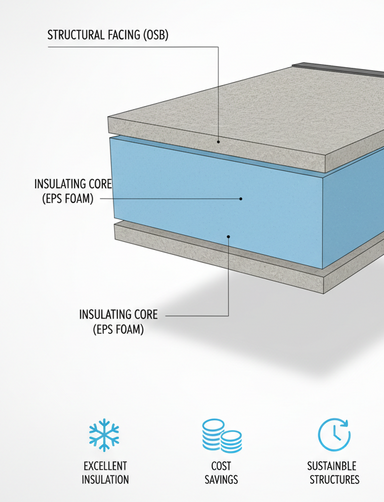
Sandwich Insulated Panels (SIPs) are structural building materials. They are made of a core of insulating material, such as PU panels, which is then sandwiched between two facing materials. These facing materials can be made of various materials like OSB (oriented strand board), metal, or cement board. A significant advantage of SIPs is their dual functionality. They serve as both structural and insulation components, creating an energy-efficient building envelope in a single product. Their prefabricated nature contributes to faster construction times, making them a time-saving solution.
Here’s a quick overview of their benefits:
- High energy efficiency.
- Reduced construction time.
- Increased structural strength.
- Reduced air infiltration.
- Sustainable building solution.
Understanding Insulation Panels & Their Importance
Insulation panels are specifically designed to resist heat flow. Their primary function is to reduce heat transfer, which can be either from the outside to the inside or vice versa. This helps maintain a stable and comfortable indoor temperature. Insulation can come in various forms, including loose-fill, batts, and, of course, panels.
The Role of Insulation Panels
Insulation panels are critical for energy efficiency. They minimize the need for heating and cooling systems, thereby reducing energy consumption and related costs. They help to regulate temperature, keeping buildings cooler in summer and warmer in winter, which leads to a more comfortable living or working environment. Also, they have a positive impact on the environment by reducing greenhouse gas emissions.
More Than Just Temperature Control
Insulation panels also improve indoor air quality by reducing air leaks and drafts, which can prevent pollutants and allergens from entering. They can also contribute to noise reduction by absorbing sound waves, creating a quieter environment. Additionally, they can help extend the lifespan of building materials by reducing the risk of moisture condensation and related damage.
Key Materials and Types of PU Panels
A specific type of Sandwich Insulated Panel is the PU panel (Polyurethane panel). These panels have a core of polyurethane foam sandwiched between two facing materials. They’re well-known for their high thermal efficiency and durability.
What are PU Panels Made Of?
PU panels are manufactured by injecting or spraying liquid polyurethane foam between two facing materials. A chemical reaction then occurs, causing the foam to expand and bond to the facings. This creates a strong, lightweight panel. The foam itself is a thermosetting polymer made by reacting a polyol with an isocyanate. The manufacturing process often involves automated machinery to ensure consistent density and quality control.
PU Panel Types and Applications
There are different densities, thicknesses, and facing materials available for PU panels. Some common variations include panels with:
- OSB or metal facings for building walls and roofs.
- Smooth finishes for cleanrooms and cold storage facilities.
- Specific fire ratings for specialized applications.
PU panels are used across many industries:
- Residential construction (walls, roofs).
- Commercial buildings (cold storage, warehouses).
- Industrial applications (clean rooms, refrigerated transport).
The choice of PU panel depends on factors like:
- Thermal performance requirements.
- Structural needs.
- Fire safety regulations.
Benefits of Sandwich Insulated Panels
Sandwich Insulated Panels offer a range of advantages that make them a popular choice for builders and homeowners alike. From enhanced energy efficiency to environmental benefits, these panels provide numerous advantages.
Energy Efficiency
Sandwich Insulated Panels excel in energy efficiency. Their continuous insulation minimizes thermal bridging. This results in reduced heat loss in the winter and reduced heat gain in the summer. This can lead to significant savings on energy bills. For instance, some studies show they can reduce heating/cooling costs by up to 60%.
Cost Savings
Using Sandwich Insulated Panels can lead to significant cost savings. Reduced energy bills are a primary source of savings. The reduced construction time can also lead to lower labor costs. The long lifespan of SIPs can also reduce the need for frequent repairs or replacements.
Durability and Structural Strength
Sandwich Insulated Panels are very durable. They are resistant to moisture, pests, and rot. Their structural strength often exceeds that of traditional building methods, allowing them to withstand harsh weather conditions.
Environmental Benefits
The environmental advantages of using Sandwich Insulated Panels are noteworthy. They reduce energy consumption and the associated lower carbon footprint. They also often produce less waste during construction. Some SIPs even use sustainable materials.
Comparison to Traditional Building Methods
Here is a quick comparison:
| Feature | Sandwich Insulated Panels | Traditional Building Methods (e.g., Stick-Framing) |
|---|---|---|
| Energy Efficiency | High | Lower |
| Construction Time | Faster | Slower |
| Structural Integrity | Excellent | Good |
| Cost | Can be lower over the lifespan of the building | Can be higher over the lifespan of the building |
Applications of Sandwich Insulated Panels
Sandwich Insulated Panels are versatile and can be used in a wide array of construction projects.
Residential Applications
Sandwich Insulated Panels are ideal for many residential applications, including:
- Walls: Create highly insulated and structurally sound walls.
- Roofs: Provide excellent thermal performance and reduce energy costs.
- Floors: Create insulated and comfortable flooring systems.
Commercial Applications
Sandwich Insulated Panels are frequently used in commercial projects like:
- Offices: They provide energy efficiency and soundproofing capabilities.
- Retail spaces: Create attractive and functional building envelopes.
- Cold storage: PU panels are perfect for temperature-controlled environments.
Industrial Applications
They also find application in industrial settings:
- Warehouses: They provide large, open spaces with excellent insulation.
- Manufacturing facilities: Create controlled environments for specific manufacturing processes.
- Clean rooms and refrigerated transport (especially with PU panels).
Real-World Examples
Consider this: In a recent project, a home built with SIPs used 60% less energy for heating and cooling compared to a traditionally built home.
Installation and Maintenance of Insulation Panels
Proper installation and maintenance are essential to ensure that your Sandwich Insulated Panels perform as expected.
Installation Process
Here are the typical steps involved:
- Foundation preparation.
- Panel placement according to structural plans.
- Joining panels with splines and sealant.
- Sealing all joints and connections to ensure air-tightness and moisture protection.
The process is generally faster than traditional stick-framing. Always follow the manufacturer’s instructions.
Proper Handling and Installation
Here are some tips:
- Prevent damage to the panels during transport and installation.
- Ensure proper sealing and air-tightness.
- Use experienced installers or contractors.
Maintenance and Longevity
Sandwich Insulated Panels have low maintenance needs. Regular inspections are recommended. These should include:
- Checking sealant for degradation.
- Keeping the panels free of debris.
- Ensuring proper drainage.
With proper care and installation, SIPs can last for decades, often outlasting the lifespan of traditional building materials.
Comparing PU Panels to Other Insulation Panel Materials
Let’s look at how PU panels compare to other insulation materials.
Other Insulation Materials
Some other common insulation materials include:
- EPS (Expanded Polystyrene).
- XPS (Extruded Polystyrene).
- Mineral wool.
- Spray foam.
Pros and Cons
Here’s a quick comparison of the pros and cons:
| Material | Thermal Performance (R-value per inch) | Moisture Resistance | Fire Resistance | Cost |
|---|---|---|---|---|
| PU Panels | High | Excellent | Good to Excellent | Moderate |
| EPS | Moderate | Moderate | Poor | Low |
| XPS | High | Good | Moderate | Moderate |
| Mineral Wool | Moderate | Good | Excellent | Moderate-High |
Advantages of PU Panels
PU panels often have these advantages:
- Superior thermal insulation.
- Fire-resistant options.
- Long-term durability and dimensional stability.
- Moisture resistance.
- Versatility.
Choosing the Right Material
The right choice depends on the specific project requirements. Budget, performance needs, and desired characteristics are all important.
Conclusion
Sandwich Insulated Panels, and in particular, PU panels, offer a superior solution for energy-efficient, durable, and sustainable construction.
Key Benefits and Applications
Here’s a quick recap of the advantages:
- Sandwich Insulated Panels are energy-efficient, strong, and long-lasting.
- PU panels offer excellent thermal performance and moisture resistance.
- Applications range from residential homes to commercial buildings and industrial facilities.
Making the Right Choice
Consider Sandwich Insulated Panels and PU panels for your next project. They are an excellent choice because they increase energy efficiency, durability, and a positive environmental impact. If you’re looking for an even more sustainable option, consider that PU panels are at the forefront of green construction.
Take Action!
Ready to get started?
- Contact us for a quote.
- Visit our website to learn more.
- Download our brochure.