Wall Panel and Roof Panel: Your Complete Guide to Efficiency and Cost-Effectiveness
The world is changing, and so are our buildings. With the increasing focus on sustainability and energy conservation, building practices are evolving rapidly. One of the most impactful innovations in modern construction is the use of wall panel and roof panel. These engineered systems are transforming how we build, offering significant advantages in efficiency, cost-effectiveness, and overall building performance.
Introduction: Understanding Wall Panel and Roof Panel
Wall panel and roof panel are becoming increasingly critical in modern construction. They represent a significant shift from traditional building methods, offering a range of benefits that are driving their widespread adoption. But what exactly are these components, and why are they so important?
Defining Wall Panel and Roof Panel
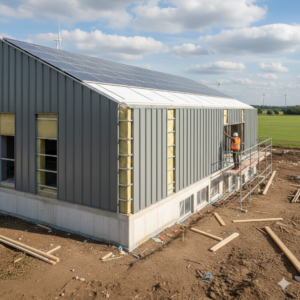
At their core, wall panel and roof panel are prefabricated building components. They are engineered to form the exterior walls and roofs of buildings. These panels are typically constructed with an insulating core sandwiched between two outer layers. The core is usually made of materials that provide excellent thermal insulation, while the outer layers can be made of materials like steel or aluminum. This design allows the panels to provide weather resistance, thermal insulation, and structural support all in one integrated system.
Wall panels are designed for the exterior walls of buildings, providing both a structural element and a protective barrier against the elements. Roof panels are specifically designed for roof structures, providing the same benefits while also offering a weather-tight covering. Together, they create a robust and efficient building envelope.
The Importance of Wall Panel and Roof Panel in Construction
Wall panel and roof panel play a vital role in modern construction, bringing a multitude of benefits. They are a significant part of the building envelope, offering weather protection, insulation, and structural integrity. They are a significant improvement from traditional building methods. Their use often leads to:
-
- Energy Efficiency: Superior thermal performance helps to regulate the indoor temperature.
-
- Faster Construction: Prefabrication and simplified installation speed up project timelines.
-
- Reduced Costs: Less labor and material waste lead to overall cost savings.
-
- Enhanced Aesthetics: Modern designs offer a variety of finishes and colors.
This article will explore the science behind wall panel and roof panel, delve into their numerous advantages, look at real-world applications, and help you understand how to choose the right panels for your needs.
The Science Behind Insulated Panel
Understanding the science behind insulated panel is key to appreciating their effectiveness. They are engineered to provide superior thermal performance, and their design takes into account the principles of heat transfer.
How Insulated Panels Work
Insulated panel are designed to act as a barrier against heat transfer. Heat naturally moves from warmer to cooler areas. To combat this, insulated panel employ several strategies:
-
- Insulation Core: The core of the panel is made of insulating material that significantly slows down the flow of heat.
-
- Trapped Air Pockets: Some insulating materials create small air pockets, which reduce the heat transfer by convection.
-
- Radiant Heat Reflection: Outer layers reflect radiant heat, reducing heat gain in summer and heat loss in winter.
By slowing down heat transfer, insulated panel help to maintain stable indoor temperatures. This reduces the need for excessive heating and cooling, which leads to lower energy consumption and reduced utility bills.
Materials Used: PU Panel, etc.
The materials used in insulated panel are crucial to their performance. The combination of materials is specifically selected to maximize efficiency and longevity.
Focus on PU Panels
PU panel (polyurethane panels) are a popular choice due to their excellent insulation properties. They consist of a polyurethane foam core sandwiched between two facing materials, such as steel or aluminum.
-
- PU Foam Details: Polyurethane foam is a closed-cell material that is known for its excellent insulation characteristics. The density and composition of the foam can be manipulated during the manufacturing process to fine-tune its thermal properties.
-
- Facing Materials: The outer layers of PU panel are typically made of:
-
- Galvanized Steel: Provides durability and resistance to corrosion.
-
- Pre-painted Steel: Offers aesthetic flexibility and added protection.
-
- Aluminum: Lightweight and corrosion-resistant, often used in architectural applications.
-
- Facing Materials: The outer layers of PU panel are typically made of:
-
- Other Components: Sealants are used to ensure that the panel is airtight and water-tight. Fasteners are used to connect the panels to each other and to the building frame. Vapor barriers may be included to prevent moisture from entering the insulation.
Other Insulated Panel Materials
While PU panels are common, other materials are also used in insulated panel:
-
- PIR Panels: Polyisocyanurate panels offer excellent fire resistance.
-
- EPS Panels: Expanded polystyrene panels are cost-effective and lightweight.
-
- XPS Panels: Extruded polystyrene panels have high compressive strength and moisture resistance.
-
- Mineral Wool Panels: These panels are made from mineral wool fibers and offer good thermal and acoustic properties.
Thermal Performance and Energy Efficiency
Thermal performance is a key consideration when evaluating insulated panel. It directly impacts the energy efficiency of the building.
-
- R-value: This is a measure of a material’s resistance to heat flow. Higher R-value means better insulation.
-
- Heat Transfer Reduction: Insulated panel are designed to reduce heat loss in winter and heat gain in summer.
-
- Lower Energy Consumption: This leads to lower energy bills and a reduced carbon footprint.
-
- Airtightness: A well-installed insulated panel system creates an effective air barrier, which is essential for maximizing thermal performance.
By choosing insulated panel with a high R-value and ensuring proper installation, you can significantly improve a building’s energy efficiency.
Benefits of Choosing Wall Panel and Roof Panel
The benefits of wall panel and roof panel extend far beyond just energy efficiency. They offer a host of advantages that make them a smart choice for any construction project.
Energy Savings
One of the most significant advantages of insulated panel is their ability to deliver substantial energy savings.
-
- Minimized Heat Transfer: They significantly reduce heat transfer.
-
- Reduced Demand on Systems: They lessen the load on heating and cooling systems.
-
- Lower Utility Bills: This results in lower energy consumption, which translates into lower utility bills.
-
- Environmental Benefits: Reduced energy consumption reduces the building’s carbon footprint.
Durability and Longevity
Insulated panel are built to last, offering excellent durability and a long lifespan.
-
- Resistance of Materials: The core insulation materials (PU, PIR) resist moisture, pests, and rot.
-
- Protective Outer Layers: The outer layers (steel, aluminum) are durable and resist weathering and impact damage.
With proper maintenance, the lifespan of these panels can be measured in decades.
Faster Installation
The prefabrication of insulated panel makes them incredibly quick and easy to install.
-
- Ready for Installation: The panels come ready for immediate installation, reducing on-site fabrication.
-
- Shorter Project Schedules: This results in shorter project schedules, reduced labor costs, and minimal disruptions.
-
- Efficiency for Large Projects: This is especially beneficial for large-scale construction projects.
Cost-Effectiveness
While the initial cost of insulated panel may be slightly higher than traditional methods, the long-term cost-effectiveness is often where the real value lies.
-
- Long-Term Savings: Energy savings, a long lifespan, and reduced maintenance costs all contribute to long-term savings.
-
- Reduced Labor Costs: Prefabrication and easier installation also help to reduce labor costs.
-
- Potential Benefits: Depending on your location and project type, you may also be eligible for insurance premium reductions and increased property value.
-
- Incentives: Check for government incentives and tax credits that can help offset the initial costs.
The benefits of wall panel and roof panel make them a smart choice for any building project.
Applications of Wall Panel and Roof Panel
Wall panel and roof panel are versatile building materials suitable for a wide range of applications. They are used in various types of buildings, from residential homes to large industrial facilities.
Residential Buildings
Insulated panel are becoming increasingly popular in residential construction. Their benefits align perfectly with the needs of homeowners looking for comfort, energy efficiency, and modern design.
-
- Applications: They are used for exterior walls, roofs, and even interior partitions.
-
- Benefits: This includes greater energy efficiency, increased comfort, and a wide array of design options.
-
- Speed: Their quick installation is a great asset in residential projects.
Commercial Buildings
Commercial buildings benefit greatly from the energy efficiency, durability, and speed of installation that insulated panel offer.
-
- Wide Use: They are used in offices, retail spaces, warehouses, and other commercial structures.
-
- Benefits: The main advantages are energy efficiency, durability, and rapid installation, which leads to lower operating costs and ensures buildings meet or exceed current building code requirements.
Industrial Buildings
Industrial facilities often require robust, efficient building solutions. Wall panel and roof panel excel in these environments.
-
- Use in Factories and Warehouses: These panels are ideal for manufacturing plants and warehouses.
-
- Benefits: These panels provide excellent thermal performance and resistance to environmental factors. They offer a controlled interior climate.
Cost Analysis: Wall Panel and Roof Panel
While the benefits of wall panel and roof panel are clear, understanding the cost factors is essential for making informed decisions.
Factors Influencing the Cost
Several factors influence the overall cost of wall panel and roof panel:
-
- Panel Type: Different panel types (e.g., EPS, PU, PIR) have varying costs.
-
- Materials: The specific materials used in the core and facing layers affect the price.
-
- Panel Thickness: Thicker panels generally offer better insulation but cost more.
-
- Finishes: Special finishes and coatings can increase the cost.
-
- Supplier: Prices vary depending on the supplier and location.
-
- Installation Costs: Labor costs for installation must be considered.
Cost Comparison: Different Types of Insulated Panel
Different types of insulated panel have different cost profiles:
-
- EPS Panels: These are often the most cost-effective option.
-
- PU Panels: These offer a good balance of cost and performance.
-
- PIR Panels: These may be slightly more expensive due to their superior fire resistance.
-
- XPS Panels: These may be more expensive due to their superior strength.
-
- Mineral Wool Panels: These may be more expensive because of their superior sound absorption.
When comparing costs, consider the long-term benefits and energy savings associated with each panel type. The cost-performance relationship is important to consider.
Long-Term Cost Savings
The initial investment in wall panel and roof panel can often be offset by long-term cost savings.
-
- Reduced Energy Bills: High-performance insulation leads to lower energy bills over the lifetime of the building.
-
- Lower Maintenance: These panels are built to last and require less maintenance.
-
- Insurance Reductions: Some insurance providers offer lower premiums for buildings with energy-efficient features.
-
- Increased Property Value: The enhanced energy efficiency can increase the value of the property.
Additionally, many governments and local authorities offer incentives such as tax credits for implementing energy-efficient building materials.
Installation and Maintenance of Wall Panel and Roof Panel
Proper installation and maintenance are essential for maximizing the performance and longevity of wall panel and roof panel.
Installation Process
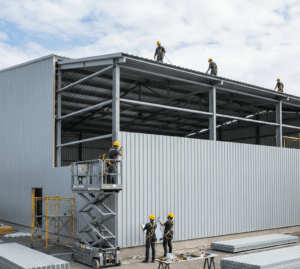
While the prefabricated nature of insulated panel simplifies installation, it is crucial to follow the correct procedures:
-
- Site Preparation: Ensure the foundation and framing are ready for panel installation.
-
- Panel Handling: Handle panels carefully to avoid damage.
-
- Panel Placement: Position panels accurately according to the building plans.
-
- Fastening: Secure panels using the correct fasteners specified by the manufacturer.
-
- Sealing: Seal joints with appropriate sealants to ensure an airtight and watertight fit.
-
- Finishing: Apply any required finishing details, such as trim or flashing.
-
- Inspection: Inspect the installation to ensure proper alignment, sealing, and fastening.
It’s recommended to hire qualified professionals to handle the installation process.
Maintenance Tips
Regular maintenance helps to extend the life and performance of insulated panel.
-
- Regular Inspections: Conduct regular visual inspections to identify any damage or issues.
-
- Cleaning: Clean panels regularly with mild soap and water to remove dirt and debris.
-
- Sealant Maintenance: Inspect and maintain sealants to ensure they remain watertight.
-
- Damage Repair: Address any damage promptly to prevent further deterioration.
-
- Preventative Measures: Take measures to prevent damage from impact or other environmental factors.
Following these tips ensures your panels continue to deliver optimal performance.
Choosing the Right Wall Panel and Roof Panel for Your Needs
Selecting the right wall panel and roof panel is a crucial step in ensuring your building project’s success. Several factors need to be considered to make the best choice.
Factors to Consider
When choosing wall panel and roof panel, consider the following factors:
-
- Thermal Performance: Select panels with the required R-value for your climate.
-
- Fire Resistance: Consider fire-rated panels if required by local building codes.
-
- Acoustic Performance: Consider panels with good sound absorption if noise reduction is a concern.
-
- Moisture Resistance: Choose panels resistant to moisture if the building is in a high-humidity area.
-
- Structural Requirements: Ensure the panels meet structural load requirements.
-
- Aesthetics: Consider the appearance and choose finishes that match your desired design.
-
- Cost: Balance the initial cost with the long-term energy savings and other benefits.
-
- Installation: Consider the ease of installation and the availability of qualified installers.
-
- Building Codes: Ensure the panels meet all local building codes and regulations.
Where to Buy: Suppliers of Wall Panel and Roof Panel
There are several options for sourcing wall panel and roof panel:
-
- Manufacturers: Buying directly from manufacturers may offer the best prices and customization options.
-
- Distributors: Distributors can provide a wide selection of panels from various manufacturers.
-
- Building Supply Stores: Local building supply stores may carry standard panel types.
-
- Online Marketplaces: Online marketplaces can provide competitive pricing and a wide range of options.
Researching suppliers and comparing quotes from different sources is essential for securing the best deal.
Conclusion: The Future of Wall Panel and Roof Panel
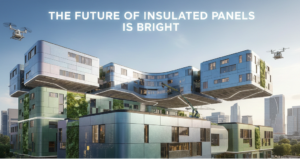
The future of insulated panel is bright, with many exciting developments on the horizon. These innovative building materials are driving energy efficiency, construction method sustainability, and design flexibility.
-
- Material Advancements: Expect innovations in insulation materials, leading to higher R-values and better performance.
-
- Improved Thermal Performance: Ongoing research aims at maximizing thermal efficiency.
-
- Smart Technologies: Integration of smart technologies, such as sensors and controls, to optimize energy use.
-
- Sustainability: Focus on eco-friendly materials and manufacturing processes.
-
- Modular Construction: Increased use of prefabrication to speed up construction and reduce waste.
-
- Design Flexibility: Greater design flexibility, allowing for more creative architectural designs.
The use of wall panel and roof panel is set to grow as we continue to push the boundaries of what’s possible in the construction industry. Consider using wall panel and roof panel for your next project, as they can help reduce building costs, increase energy efficiency, and build a more sustainable future.