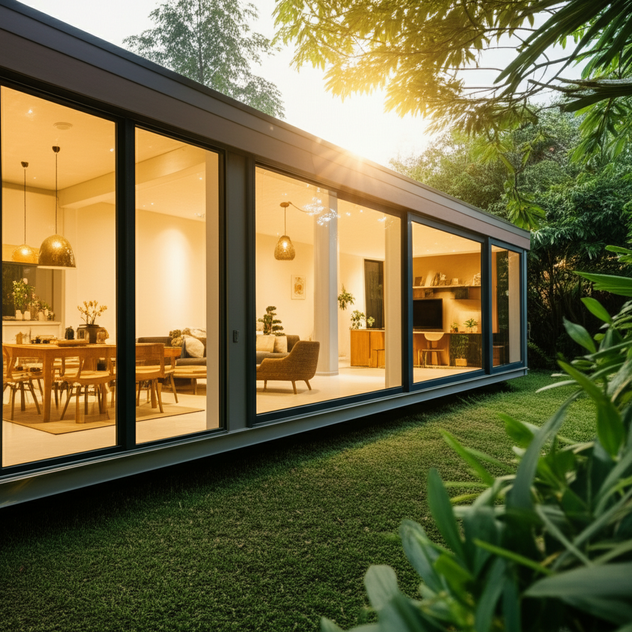
The Rise of the Container Home: Your Guide to Fast Building and Sustainable Living
Have you ever dreamed of a unique home that is kind to the planet, built quickly, and doesn’t break the bank? In today’s world, where people are looking for smarter, more efficient ways to live, new ideas for housing are becoming very popular. One of the most exciting trends is the container home. These incredible dwellings offer a fresh take on housing, blending affordability, sustainability, and impressive efficiency into one stylish package.
A container home is exactly what it sounds like: a comfortable and practical living space crafted from recycled shipping containers. These robust steel boxes, once used to transport goods across the globe, are now being repurposed into homes that stand out. They offer a truly fast building alternative to traditional construction methods, allowing people to move into their new space much sooner.
This guide will unpack everything you need to know about these fascinating structures. We’ll explore what a container home is, delve into the step-by-step process of how they are built, highlight the many benefits they offer, and even showcase some truly inspiring examples of people living in these innovative spaces. Get ready to discover the world of modular living!
What Exactly is a Container Home?
A container home is an architectural marvel built primarily from intermodal steel shipping containers. These are the same large, rectangular metal boxes you see on cargo ships, trains, and trucks, diligently moving goods around the world. Instead of simply being retired after years of service, they are given a new purpose as the foundational structure for homes.
The Container Itself
These remarkable steel boxes are engineered for extreme conditions. They are inherently strong, designed to protect their cargo from harsh weather, rough seas, and heavy loads. This inherent durability makes them an excellent, robust starting point for a dwelling. Their corrugated steel walls and sturdy frame provide a secure shell, ready to be transformed into a cozy living space. Each container is a self-contained unit, often standardized in size, which contributes to the modularity of container home construction.
Types of Containers Used
When building a container home, you’ll typically encounter a few standard types of shipping containers:
- Standard Containers: The most common sizes are 20-foot long (offering roughly 160 square feet of floor space) and 40-foot long (providing approximately 320 square feet). These are the workhorses of global shipping and are widely available.
- High-Cube Containers: These are similar to standard 40-foot containers but offer an extra foot of height, measuring 9.5 feet tall instead of the usual 8.5 feet. This added vertical space can make a significant difference in feeling less confined and offers more room for insulation or taller interior features.
The choice of container size and type often dictates the initial design and the overall square footage of your future container home. Whether you’re planning a tiny home or a multi-level family residence, the versatile container unit is the starting block.
Why Repurpose?
The decision to repurpose these robust steel boxes instead of manufacturing new construction materials is a cornerstone of the container home movement. It’s an act of smart, eco-friendly living. By giving these sturdy units a second life, we reduce the demand for new resources like timber and steel, lessen manufacturing waste, and decrease the carbon footprint associated with new material production. This commitment to recycling and sustainable practices is a significant reason why many people are drawn to the idea of a container home. It allows residents to contribute positively to environmental conservation while enjoying a unique and comfortable dwelling.
The Allure of Container Living: Key Benefits
Living in a container home offers a fascinating array of advantages that appeal to a diverse group of homeowners, from eco-conscious minimalists to those seeking efficient and speedy construction. The charm of these modular dwellings goes beyond their unique look; it lies in the practical and sustainable benefits they bring.
Cost-Effectiveness
One of the most attractive aspects of a container home is its potential for cost-effectiveness. The raw materials – the shipping containers themselves – can often be acquired for less than traditional building materials needed for a similar-sized home. This can lead to a more budget-friendly starting point. However, it’s important to remember that while the initial material cost might be lower, the finishing costs (like insulation, plumbing, electrical, and interior design) can vary widely depending on your choices and desired luxury. Still, for many, the overall investment in a container home can be significantly less than a conventional stick-built house, making homeownership more accessible. This cost-efficiency is also a major draw for commercial applications like container offices.
Fast Building Process
This is a major draw for anyone eager to move into their new home without lengthy delays. The modular nature of the container allows for a significantly fast building process, thanks to extensive pre-fabrication. Much of the crucial work, such as cutting openings for windows and doors, welding reinforcements, and even some interior finishing, can be done off-site in a controlled factory environment. This off-site construction dramatically reduces the time spent on the actual building site, minimizing exposure to weather delays and streamlining the overall timeline. The speed and efficiency of this rapid build process are unmatched by most conventional construction methods. From foundation to final finishes, a container home can be ready in a fraction of the time, making it a truly speedy construction solution.
Durability and Resilience
Shipping containers are, by design, incredibly robust. They are built to withstand the rigors of global travel, including extreme weather conditions, powerful winds, and the immense weight of other containers stacked on top of them. This inherent strength translates directly into a durable and resilient container home. Your home will be a fortress, capable of standing up to challenging climates and offering a sturdy, long-lasting structure that requires less maintenance over time compared to some traditional homes. These steel boxes are designed for a lifespan of decades, even in harsh maritime environments.
Sustainability and Recycling
Choosing a container home is a powerful statement about sustainable living. By recycling and repurposing these massive steel units, you’re preventing them from becoming industrial waste or simply sitting unused. This eco-friendly approach significantly reduces the demand for new construction materials, conserving natural resources like timber and minerals. Furthermore, the energy saved by not having to melt down and reform the steel into new products contributes to a lower carbon footprint. It’s a tangible way to embrace environmental responsibility and create a home that aligns with green living principles. This adaptive reuse champions the idea of a circular economy in housing.
Design Flexibility
Despite their initial boxy appearance, container homes offer surprising design flexibility. They are like giant LEGO blocks for adults! Multiple containers can be combined side-by-side, stacked vertically, or even arranged in creative L-shapes or U-shapes to create diverse and spacious layouts. Sections can be cut out to create large open-plan living areas, and various exterior claddings, paints, and architectural features can be added to achieve aesthetically pleasing and unique designs. This modularity allows architects and homeowners to truly express their creativity, leading to some stunning and unconventional homes. The customization potential is vast, limited only by imagination and local building codes.
Mobility (in some cases)
For those who dream of a life with the option to relocate, some smaller container homes can be designed for transportability. While not all are designed to be moved often, the inherent structure of a single container dwelling allows for it to be lifted and transported to a new location with relative ease (and the right equipment). This offers a unique level of flexibility, appealing to individuals or families who might need to move for work or simply desire a change of scenery. It embodies a form of transient architecture, giving homeowners unprecedented freedom.
How Container Homes are Built: A Step-by-Step Guide
Building a container home is an exciting journey that blends innovative design with practical construction techniques. It’s a process that leverages the inherent strength of shipping containers, often employing off-site pre-fabrication to achieve a remarkably fast building timeline. Let’s break down the key stages involved in bringing a container home to life.
4.1. Planning and Design: The Blueprint for Your Container Home
Every great container home begins with a thoughtful plan. This initial stage is crucial for ensuring your vision becomes a safe and functional reality.
- Conceptualization: This is where your ideas take shape. You’ll work with architects or designers who specialize in container home construction to create detailed plans. These blueprints include everything from the overall layout and room configurations to precise placements for windows, doors, and interior passages. Structural considerations, such as where cuts will be made and how the containers will be joined, are carefully mapped out to maintain the integrity of the modular dwelling.
- Permitting and Regulations: This step cannot be overstated. Before any physical work begins, it’s absolutely essential to consult with your local building authorities. Building codes and zoning regulations can vary significantly, especially for alternative housing like a container home. You’ll need to obtain all necessary permits to ensure your project complies with safety, health, and environmental standards. An experienced builder or architect can help navigate these complexities, making sure your plans are approved.
- Site Selection and Preparation: Choosing the right land is important. Once your site is selected, it must be properly prepared. This involves creating a stable and level foundation for your container home. Common foundation types include concrete slabs, pier foundations (individual concrete or steel posts), or strip footings. Proper site preparation ensures the long-term stability, drainage, and structural integrity of your unique abode.
- Sourcing Containers: Acquiring the right containers is a critical step. You have options:
- New (One-Trip) Containers: These containers have made only one journey from their manufacturing origin to your region, making them in excellent condition with minimal wear and tear. They are typically more expensive but offer the best quality.
- Used Containers: These are more budget-friendly but may have dents, rust, or other signs of their working life. They are often graded (e.g., “cargo-worthy” or “wind and watertight”).
You can source containers directly from shipping companies, brokers, or specialized suppliers. Some companies even act as a “container shop,” providing pre-conditioned or modified containers ready for further build-out.
4.2. Modification and Fabrication (Often Off-Site): The Fast Building Advantage
This stage highlights the fast building benefits of container homes. Much of the intensive, precision work happens off-site, in a controlled environment, saving time and resources on your building plot.
- Structural Modifications: Once the containers arrive at the fabrication facility (or your site, if the modifications are less extensive), the transformation begins. This involves carefully cutting openings for windows, doors, and any interior passages that connect multiple containers. Because the steel frame of a shipping container is its strength, precise structural reinforcement (often using new steel framing around every cut opening) is vital. This ensures the structural integrity of the container home is maintained and even enhanced, preventing sagging or weakening.
- Insulation: Steel is a highly conductive material, meaning it gets hot quickly in the sun and cold quickly in winter. Therefore, proper insulation is absolutely critical for managing the interior temperature and preventing condensation within your container home. Common methods include:
- Spray Foam: Applied directly to the interior walls, ceiling, and floor, it creates an excellent thermal barrier and seals air gaps.
- Rigid Panels: Boards of foam insulation cut to fit and secured to the interior.
- Mineral Wool/Fiberglass Batts: Traditional insulation materials installed within a framed cavity inside the container.
Insulation is installed on the interior walls, ceilings, and often the floor to create a comfortable, energy-efficient living space.
- Utilities Rough-In: While the container is being modified, the initial stages of utility installation, known as “rough-in,” also occur. This includes running plumbing pipes for water supply and drainage, as well as electrical wiring, within the newly framed walls and ceilings. This ensures all essential services are in place before the final interior finishes are applied.
- Exterior Treatments (Optional Off-Site): Some builders may apply initial exterior cladding, paint, or other protective coatings at this stage. This further accelerates the on-site assembly.
These pre-fabrication steps are central to the fast building aspect of container construction, allowing for parallel processes (foundation work on-site, modification off-site) that drastically cut down the overall project timeline.
4.3. On-Site Assembly and Finishing: Bringing Your Container Home Together
With the foundation ready and the containers modified, the final stages of building your container home unfold on-site.
- Transportation: The modified container units are carefully loaded onto specialized trucks and transported from the fabrication facility to your prepared building site. This logistics step requires careful planning and coordination.
- Craning and Placement: This is often the most dramatic part of the build! A large crane is used to meticulously lift and position each container unit onto its designated spot on the prepared foundation. If it’s a multi-unit container home, each unit is carefully aligned and connected to the others. Precision is key during this heavy lifting operation.
- Welding and Sealing: Once positioned, the containers are securely welded together where they meet. All seams, connections, and cut openings are then thoroughly sealed and weather-proofed to prevent water intrusion and drafts, ensuring a tight and robust dwelling envelope.
- Roofing: While the container top can be a floor for a second story, a proper roof structure is typically installed over the entire container home. This can be a flat roof (with proper drainage), a sloped roof (like a traditional house), or even a green roof for added insulation and environmental benefits. The roof provides an essential layer of weather protection and additional thermal insulation.
- Windows and Doors: Energy-efficient windows and doors are installed into the pre-cut openings. These not only provide natural light and ventilation but also contribute significantly to the home’s overall insulation and aesthetic appeal.
- Interior Finishing: This stage transforms the raw interior into a comfortable living space. It includes installing drywall or alternative wall coverings (like plywood or reclaimed wood), laying down flooring (hardwood, laminate, tile, etc.), and fitting kitchen cabinets, countertops, and bathroom fixtures (toilets, sinks, showers). Finally, all electrical outlets, light switches, and plumbing connections are completed.
- Exterior Finishes: The final touches on the exterior complete the look of your container home. This might involve applying exterior cladding (such as wood siding, corrugated metal, or stucco), a fresh coat of paint, or integrating landscaping elements that blend your home seamlessly with its surroundings.
Following these steps, your unique container home moves from concept to completion, demonstrating the efficiency and ingenuity of this modern building approach.
Inspiring Container Home Examples
The versatility of the container home goes far beyond a simple box. These modular units have inspired architects and homeowners to create truly diverse and breathtaking structures, proving that a container can be transformed into almost any type of living or working space imaginable.
Minimalist Retreats
Minimalist container homes are perfect for individuals or couples seeking to downsize and simplify their lives. These clever designs focus on optimizing every square inch, often incorporating innovative space-saving solutions like multi-functional furniture, fold-down tables, and built-in storage. They demonstrate that a compact footprint doesn’t mean sacrificing comfort or style, offering a private, sustainable haven for peaceful living, whether as a tiny house or a dedicated backyard office. Many are designed as tiny houses, embodying the micro-dwelling movement with a strong, industrial aesthetic.
Family Residences
For families, the container home offers incredible potential for spacious living. By combining and stacking multiple containers, architects can create expansive multi-bedroom homes that rival traditional houses in size and comfort. We see examples with large, open-plan living areas, multiple bathrooms, and separate bedrooms for children and adults. These residences beautifully illustrate the versatility of a container home, dispelling the myth that container living means cramped quarters. They can feature internal courtyards, decks, and even multiple stories, showcasing how these repurposed steel boxes can evolve into a full-fledged, comfortable family dwelling.
Unique Architectural Wonders
Pushing the boundaries of design, some container homes transcend simple housing to become true architectural wonders. These designer homes boast striking aesthetics, unconventional layouts, and seamless integration with the natural landscape. Think of cantilevered sections extending over cliffs, multi-level structures with dramatic voids, or homes built into hillsides with green roofs. These projects often utilize the bold, industrial aesthetic of the container as a feature, complementing it with large glass panels, striking colors, and innovative material combinations. They demonstrate the artistic potential of the container home, turning robust steel into breathtaking works of art.
Commercial Applications
Beyond residential use, the modularity and fast building nature of containers make them ideal for a wide range of commercial applications. Their portability and ease of assembly have led to a boom in “pop-up” businesses. You can find stylish cafes, trendy retail shops (a container shop), innovative office spaces, art studios, and even temporary classrooms built from these units. Their ability to be quickly deployed and reconfigured makes them a flexible and cost-effective solution for entrepreneurs and businesses looking for unique, eye-catching premises that can be set up with rapid construction methods.
Considerations and Challenges for Aspiring Container Home Owners
While the appeal of a container home is undeniable, it’s important for prospective owners to be aware of certain considerations and challenges. Understanding these upfront can help you plan effectively and avoid potential hurdles in your journey to owning a modular dwelling.
Building Codes and Permits
Navigating local regulations can be one of the most complex aspects of building a container home. Many traditional building codes were not specifically written with non-traditional structures like shipping containers in mind. This can sometimes lead to confusion or the need for special variances. It’s absolutely crucial to engage with local building authorities and a knowledgeable architect or builder early in the planning process. They can help you understand specific requirements, ensure your plans meet safety standards, and guide you through the permitting process. Early consultation is the key to a smooth approval process for your unique home.
Insulation and Climate Control
As mentioned earlier, steel is a highly conductive material. Without proper insulation, a container home can become an oven in the summer and a freezer in the winter. It’s also prone to condensation, which can lead to moisture issues and even rust if not properly managed. This means that investing in high-quality, comprehensive insulation (for walls, ceiling, and floor) is not an optional extra; it’s a fundamental necessity. Expert design in ventilation and climate control systems (heating, cooling, and dehumidification) is equally important to ensure a comfortable and healthy indoor environment, regardless of the outdoor weather.
Structural Expertise
While shipping containers are incredibly strong, modifying them requires specialized knowledge. Making improper cuts for windows, doors, or internal passages without adequate reinforcement can compromise the structural integrity of the entire container home. This could lead to a weakened structure that is unsafe. Therefore, it’s vital to work with experienced architects and builders who understand the unique structural requirements and limitations of working with containers. They will know how to properly reinforce openings and ensure that your home remains safe and sound for decades to come. Don’t underestimate the need for skilled professionals in this type of construction.
Financing
Some traditional lenders may be hesitant to finance container homes. Because they are considered non-traditional or alternative housing, they don’t always fit neatly into standard mortgage categories. Lenders might perceive them as higher risk or have difficulty appraising their value compared to conventional homes. This doesn’t mean financing is impossible, but it does mean aspiring owners may need to explore alternative financing options. These could include personal loans, construction loans (which often convert to traditional mortgages upon completion), or specialized loans from credit unions or lenders familiar with modular or alternative housing. Researching these options early can save a lot of headaches later on.
Conclusion: The Future of Modular Living
The rise of the container home signals an exciting shift in how we think about housing. These innovative dwellings offer a compelling mix of sustainability, cost-effectiveness, and impressive fast building capabilities, making them a standout choice in modern construction. From their durable steel construction to their eco-friendly origins as repurposed shipping containers, they represent a smarter way to live.
The container home is more than just a passing trend; it’s a testament to human ingenuity and our growing desire for adaptable, eco-conscious housing solutions. Whether you’re drawn to the idea of a minimalist retreat, a spacious family residence, or even a unique business venture like a container shop, the possibilities are vast.
We encourage you to consider the potential of a container home for your next project. It’s a chance to embrace innovation, contribute to a more sustainable future, and create a truly unique living space with the benefits of rapid construction. As we look ahead, the container home is undoubtedly leading the way in the evolving world of innovative and sustainable construction methods, proving that great design and responsible living can indeed go hand-in-hand.