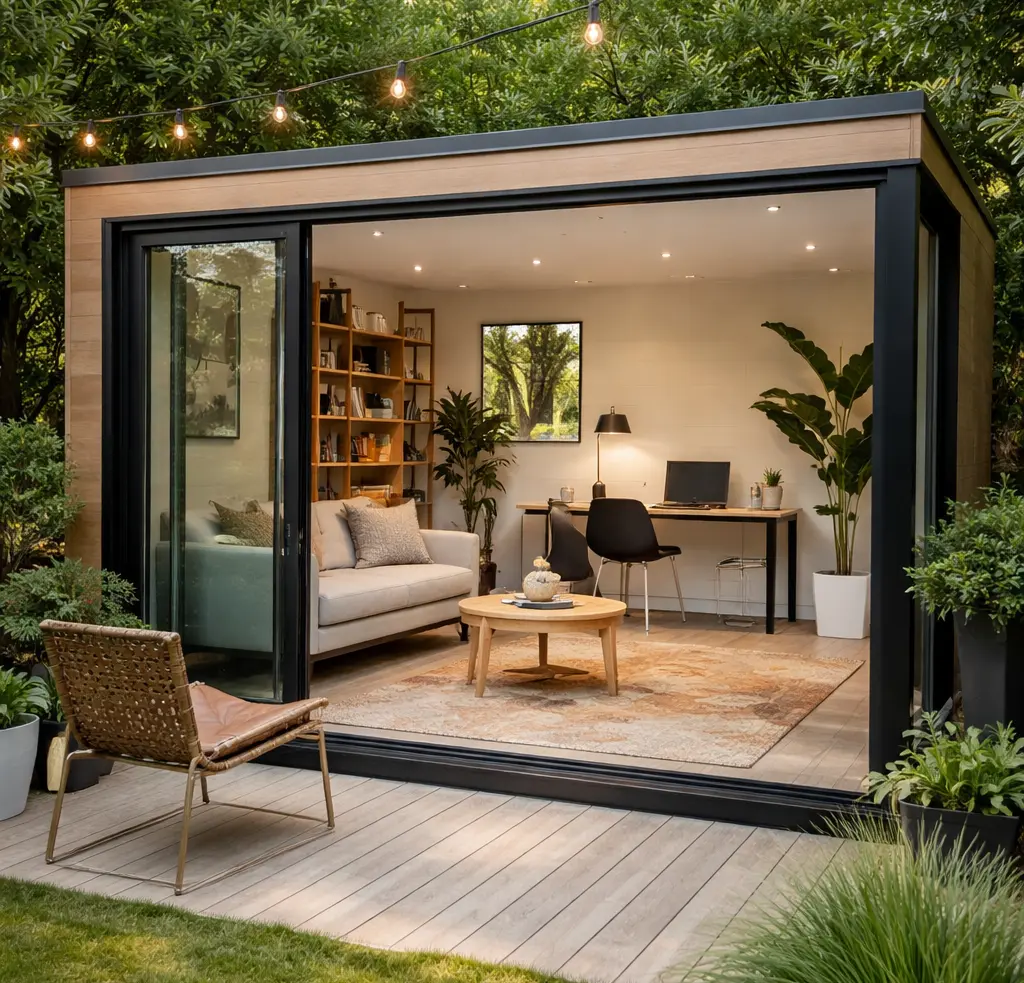
Modular Backyard Office with PU Panel/Sandwich Panel
Rugs are stepping into the spotlight, reclaiming their place as a cornerstone of interior design. Forget the idea that they’re just floor coverings; in the coming years, rugs will be essential in defining the look and feel of your spaces. This isn’t just a fleeting fancy – rug design is constantly evolving, reflecting the changing currents of design philosophy. From traditional Oriental styles to modern minimalist designs, rugs have always mirrored the times. And now, as we look towards 2026, the world of rugs is buzzing with fresh ideas. In this comprehensive guide, we’ll delve into the latest trends, including how carpets are being used throughout the home, the rise of backyard studios, innovative materials like sandwich panels, and the exciting design possibilities of 2026.
Why Rugs are Set to Dominate in 2026
Rugs are becoming increasingly important in modern interior design because of the shift toward comfort and personalization in living spaces. People want homes that feel cozy, inviting, and truly reflect their personalities. As we look ahead to 2026, rugs are poised to play a crucial role in achieving this, offering an easy way to inject style, warmth, and individuality into any room.
What to Expect in This Guide
In this guide, you will be learning about the following points.
- The importance of rugs in living rooms.
- Rugs and carpets being used in homes.
- Outdoor living and the use of rugs in backyard studios.
- Innovative materials like sandwich panels and how they affect the design of **rugs**.
- 2026 design trends for color palettes, patterns, and textures.
- Embracing sustainable and eco-friendly rugs.
Living Room Rugs: Defining the Heart of Your Home
The living room is often the heart of the home, the space where we relax, entertain, and spend quality time with loved ones. A well-chosen living room rug plays a vital role in setting the tone and overall aesthetic of this crucial space. It’s more than just a decorative element; the right rug can transform a room, defining zones, adding warmth, and injecting personality.
Exploring Rug Styles
In 2026, expect to see a mix of rug styles, each offering a unique way to elevate your living room. There’s a design for every taste.
- Bohemian: Embrace the free-spirited vibe with Bohemian rugs. These rugs often feature intricate patterns, vibrant colors, and playful additions like tassels. These rugs add a touch of global inspiration and create a warm, inviting atmosphere.
- Modern: If you love a clean and minimalist look, modern rugs are the perfect choice. Characterized by minimalist designs, neutral color palettes, and clean lines, these rugs bring a sense of calm and sophistication to your living room.
- Geometric: For a bold statement, consider geometric patterns. These rugs use shapes, lines, and angles to create dynamic and eye-catching designs. They’re ideal for adding a contemporary edge to your space.
Materials for 2026
The materials used in rugs are also evolving. Consider the following:
- Natural Fibers: Jute, sisal, and wool blends are set to remain popular choices for their natural beauty and sustainable qualities.
- Jute: Known for its durability and sustainable qualities, Jute is a great choice for high-traffic areas.
- Sisal: Sisal offers a unique texture and the ability to withstand heavy use, making it ideal for entryways or hallways.
- Wool Blends: Wool blends provide the softness and durability.
- Innovative Synthetics: Synthetics, such as polyester and nylon, will continue to gain popularity due to their durability, stain resistance, and affordability.
- Textural Variations: Don’t underestimate the power of texture! Different textures add visual interest to your living room rug.
- Shag: Enjoy the soft and luxurious feel of shag rugs.
- Looped: For a durable and textured look, go for looped rugs.
- Flatweaves: Flatweave rugs offer versatility and are easy to clean.
Here’s a comparison table:
| Material | Pros | Cons |
|---|---|---|
| Jute | Durable, sustainable, natural look | Can be rough to the touch, not ideal for high-comfort spaces |
| Sisal | Highly durable, textured, good for high-traffic areas | Can be rough, not as soft as other options, may not be suitable for all climates |
| Wool Blends | Soft, durable, naturally stain-resistant | Can be more expensive than synthetic options, may require professional cleaning |
| Polyester | Durable, stain-resistant, affordable | Can lack the natural feel of wool or other fibers |
| Nylon | Very durable, stain-resistant, great for high-traffic areas | Can be less soft than some natural fibers |
| Shag | Luxurious, soft, adds warmth | Can be high maintenance, may shed |
| Looped | Durable, textured, good for high-traffic areas | Can trap dirt, may not be as soft as shag |
| Flatweaves | Versatile, easy to clean, often reversible | Can be less plush than other options |
Selecting the Right Rug Size
Choosing the right rug size is critical. Consider the following:
- Furniture Placement: Use the rug to anchor furniture. You can choose a rug that covers all legs of your furniture or just the front legs.
- Traffic Flow: Make sure the rug allows for easy traffic flow in the living room and is positioned accordingly.
Think about your living room layout and consider which rug styles and sizes would best fit your needs.
Carpets and Rugs: Extending Style Beyond the Living Room
The magic of rugs doesn’t end in the living room. To create a cohesive design throughout your home, consider using carpets and rugs in other areas as well. Consistent use of these elements can tie different rooms together.
Carpets in Bedrooms, Hallways, and Other Areas
- Bedrooms: Rugs in bedrooms add warmth, comfort, and noise reduction.
- Hallways: Durable carpets or runners can protect floors and add a design element in the hallway.
- Other Areas: In dining rooms and home offices, rugs can define zones.
Creating a Cohesive Design
- Color Palette: Use a consistent color palette throughout your home.
- Pattern Integration: Vary patterns and textures.
- Material Coordination: Coordinate the materials, such as having wool rugs in the living room and a similar material runner in the hallway.
Durability and Practicality
- Material Selection: Choose durable materials for high-traffic areas.
- Maintenance Considerations: Regular cleaning and maintenance are essential.
Assess the current carpets and rugs in your home and consider how they can be used to create a more unified and stylish design.
Extending Your Style Outdoors: Backyard Studios and Rugs
The trend of backyard studios as an extension of living spaces is booming. Rugs can enhance the comfort and style of these outdoor environments.
The Rise of Backyard Studios
Backyard studios, serving as home offices, art studios, or relaxation spaces, are growing in popularity. Outdoor spaces are being increasingly designed to be functional and aesthetically pleasing.
Enhancing Outdoor Comfort with Rugs
Rugs define zones, add comfort, and create an inviting atmosphere in backyard studios and other outdoor spaces. They make the area feel like an extension of the home.
Weather-Resistant Rugs and Outdoor Carpet Options
- Weather-Resistant Rugs:
- Materials: Look for materials like polypropylene, recycled plastic, and other synthetic options. These are durable, UV-resistant, and easy to clean.
- Durability: These rugs withstand the elements.
- UV Resistance: UV resistance prevents fading.
- Outdoor Carpet:
- Benefits: Outdoor carpets can cover large areas and provide a soft surface.
- Design Considerations: Choose color palettes and patterns that complement the exterior environment and furniture.
Design and Styling Tips for Outdoor Spaces
- Choose the right rugs for the backyard studio.
- Select the right color palettes and patterns.
- Focus on outdoor furniture.
Explore integrating rugs into your outdoor spaces to create a more functional and stylish environment. You can learn more about creating functional outdoor spaces with our guide on the rise of backyard studios.
The Future of Rugs: Sandwich Panels and Material Innovation
Innovative materials are changing rug construction, with sandwich panels leading the way.
What are Sandwich Panels?
Sandwich panels are a composite material made of a core material, like foam, between two skins, such as metal or fiberboard.
Sandwich Panels in Rug Design and Construction
- Shape Retention: Sandwich panels can add shape and rigidity.
- Durability: They enhance durability.
- Enhanced Shape Retention: They help rugs maintain their shape.
- Improved Durability: They can increase the lifespan of a rug.
- Insulation Properties: They may offer thermal and acoustic insulation.
Sustainability and Eco-Friendly Options
- Recycled Materials: Look for rugs using recycled materials.
- Eco-Friendly Manufacturing: Consider eco-friendly manufacturing processes.
Manufacturing Process of Rugs
- Discuss the general manufacturing process of rugs.
Look for rugs with innovative features, including those using sandwich panels, and consider your material choices.
Rugs in 2026: Anticipating Color, Pattern, and Texture Trends
The right color palettes, patterns, and textures will be crucial in creating the overall aesthetic of a space.
2026 Color Palette Predictions
- Earthy Tones: Terracotta, olive green, and warm beige will be popular.
- Bold Accents: Expect bold colors.
- Muted Neutrals: Muted neutral tones will be paired with pops of bright colors.
Trending Patterns and Designs
- Geometric Patterns: Discuss geometric patterns.
- Organic Shapes: Mention organic shapes.
- Global-Inspired Motifs: Discuss global-inspired motifs, such as tribal patterns.
Texture in Rug Design
- High-Low Pile: Explain the visual and tactile appeal of high-low pile designs.
- Carved Designs: Describe how carved designs add depth and detail.
- Other Textural Techniques: Discuss other techniques, such as tufting or weaving.
Experiment with these color palettes, patterns, and textures in your own spaces.
Sustainable Style: Embracing Eco-Friendly Rugs in 2026
Consumer demand for sustainable and eco-friendly rugs is growing. Environmental and social benefits make these choices compelling.
Materials in Sustainable Rugs
- Recycled Materials: Rugs made from recycled materials, such as plastic bottles, old fishing nets, or other waste.
- Sustainable Fibers:
- Organic cotton
- Bamboo
- Seaweed fiber
- Wool (from ethically raised sheep)
- Benefits of Sustainable Materials: Highlight the environmental benefits (reducing waste, renewable resources) and the potential health benefits.
Eco-Friendly Production Practices
- Dyeing with natural dyes
- Minimizing water usage
- Reducing chemical use
Brands Committed to Sustainability
- Discuss brands known for their ethical and environmental practices.
- Mention certifications like Fair Trade.
Research and choose sustainable and eco-friendly rugs for your home.
Looking Ahead: The Future of Rugs in the World of Design
Rugs are set to become even more integral to interior design in the coming years. Their ability to transform spaces, enhance comfort, and reflect personal style makes them indispensable. Embrace these 2026 design trends and give your space a fresh look. Maybe start with a small change, like swapping out a rug in one room! The future of rug design is bright.