Modern Construction with Structural Insulated Panels
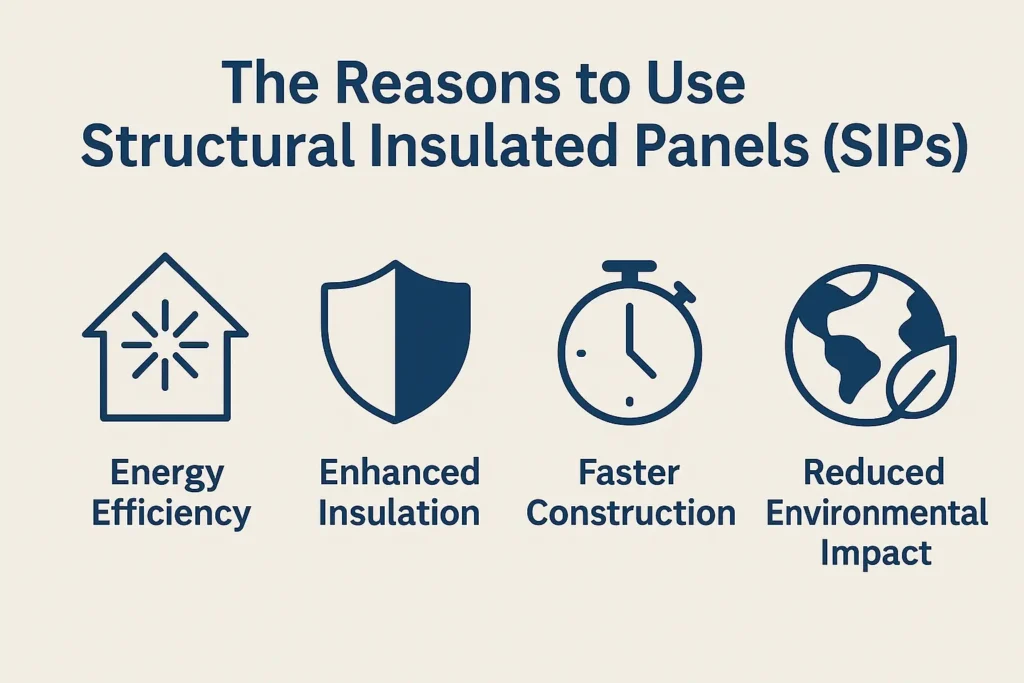
Are you looking for a construction method that combines superior energy efficiency, structural strength, and environmental responsibility? If so, you should consider Structural Insulated Panels (SIPs). These high-performance building panels are revolutionizing how we construct buildings. They represent a modern and innovative approach to construction. Structural Insulated Panels (SIPs) consist of an insulating foam core sandwiched between two structural facings, typically oriented strand board (OSB). Their growing popularity is directly related to their numerous benefits over traditional construction methods. These benefits include energy efficiency, enhanced insulation, faster construction times, superior structural strength, and reduced environmental impact. This blog post will provide a comprehensive overview of Structural Insulated Panels (SIPs), including their components, benefits, applications, cost considerations, and future trends, including the role of insulation panels and PU panels.
Components and Construction of Structural Insulated Panels (SIPs)
Understanding the composition of Structural Insulated Panels (SIPs) is crucial to appreciating their performance. These panels are engineered with several components working together to provide superior insulation and structural integrity.
Core Material
The heart of a Structural Insulated Panel (SIP) is its core material, which provides insulation. Several types of foam can be used, each with its own advantages.
- Expanded Polystyrene (EPS): EPS is a cost-effective, moisture-resistant option. It’s often chosen for its affordability and good insulating properties. EPS is a closed-cell, lightweight material.
- Polyurethane (PU) Foam: Some Structural Insulated Panels (SIPs) use PU foam cores, offering superior insulation properties compared to EPS. PU panels offer an enhanced R-value, making them a great choice for climates requiring high thermal performance. PU foam comes in both closed-cell and open-cell varieties. The closed-cell version is particularly effective at preventing moisture penetration.
- Extruded Polystyrene (XPS): XPS offers high compressive strength and moisture resistance, making it suitable for applications requiring durability. XPS foam provides consistent thermal resistance and is known for its durability.
Facing Materials
The outer layers, or facings, of a Structural Insulated Panel (SIP) are crucial for providing structural support and rigidity.
- Oriented Strand Board (OSB): OSB is a popular choice for facings due to its structural properties and cost-effectiveness. It’s made from wood strands that are arranged in specific orientations and bonded together with adhesives.
- Other Facings: Other materials like plywood, cement board, or magnesium oxide board may be used, depending on the specific application and performance requirements.
Manufacturing Process
The manufacturing of Structural Insulated Panels (SIPs) is a controlled process designed to ensure consistent quality. The following steps are involved:
- Foam Core Production: The foam core is produced through various methods, such as molding or continuous extrusion.
- Facing Application: The facings are then attached to the foam core using adhesives and pressure.
- Quality Control: Rigorous quality control measures are implemented throughout the manufacturing process to guarantee the product’s performance.
Assembly and Installation Overview
Assembling Structural Insulated Panels (SIPs) on-site involves cutting, connecting, and sealing the panels to create the building envelope. This process is generally more straightforward and faster than traditional framing.
This detailed breakdown reveals how Structural Insulated Panels (SIPs) are meticulously constructed to deliver exceptional performance in modern construction.
PU Panels Overview and Comparison
PU panels are a specific type of insulation panel with unique properties. They are widely used across various construction projects. For more information on how PU panels contribute to sustainable building practices, check out our post on The Green Advantage of PU Panels.
Detailed Explanation of PU Panels
PU Panels consist of a core of polyurethane foam with facings like steel, aluminum, or OSB. They are manufactured using continuous lamination. The key characteristics of PU panels include high R-value, low thermal conductivity, and resistance to moisture, making them effective for insulation.
Comparison with Other Insulation Panels
Let’s compare PU panels with other types of insulation.
- EPS Panels: PU panels generally offer a higher R-value than EPS panels. While both are moisture-resistant, PU panels may offer better resistance. Costs vary, but PU panels can be more expensive. In terms of environmental impact, both materials have their own considerations.
- XPS Panels: XPS has a higher compressive strength compared to some PU panels, making it suitable for certain applications. Both types offer excellent thermal performance, with PU panels potentially having a slight edge. They both resist moisture well, though the specific properties may vary by manufacturer. Costs are similar. Environmental impacts are comparable.
- Fiberglass and Mineral Wool: Fiberglass and mineral wool are traditional insulation materials. PU panels offer a more straightforward installation process. PU panels typically have a longer lifespan and better overall performance.
Benefits and Drawbacks of PU Panels
PU panels have several advantages:
- Pros: They offer excellent insulation properties, durability, and moisture resistance.
- Cons: They can be more expensive than some other options, and there may be environmental concerns depending on the manufacturing process and the specific type of foam used.
Integration with Structural Insulated Panels (SIPs)
PU panels can be used in conjunction with Structural Insulated Panels (SIPs), especially those with PU cores, for supplemental insulation.
This overview of PU panels, the comparison with other insulation panels, and their integration with Structural Insulated Panels (SIPs) highlights their value in construction.
Benefits of Structural Insulated Panels (SIPs)
The use of Structural Insulated Panels (SIPs) translates into significant benefits for building owners and the environment.
Energy Efficiency
Structural Insulated Panels (SIPs) offer superior insulation, due to their foam core and high R-value. Their tight construction minimizes air infiltration, significantly improving energy efficiency. This results in lower heating and cooling costs.
Enhanced Insulation
The continuous insulation layer of Structural Insulated Panels (SIPs) eliminates thermal bridging, which can occur with traditional framing. This design helps maintain a consistent temperature throughout the building, improving comfort for occupants.
Faster Construction
Structural Insulated Panels (SIPs) are prefabricated, speeding up the construction process. They require less on-site labor compared to traditional methods. Faster construction times result in quicker project completion, saving time and money.
Structural Strength
Structural Insulated Panels (SIPs) provide exceptional strength due to their strength-to-weight ratio. They can withstand high winds and seismic activity. They have excellent load-bearing capabilities, contributing to a robust building structure.
Reduced Environmental Impact
Structural Insulated Panels (SIPs) often use sustainable materials. Their prefabricated nature also reduces construction waste. The energy efficiency of Structural Insulated Panels (SIPs) results in a lower carbon footprint over the building’s lifespan.
The advantages of using Structural Insulated Panels (SIPs) include improved energy efficiency and reduced environmental impact.
Applications of Structural Insulated Panels (SIPs)
Structural Insulated Panels (SIPs) offer versatility in various construction projects.
Residential Construction
Structural Insulated Panels (SIPs) can be used in residential construction for:
- Walls: They can be used for exterior, interior, and load-bearing walls.
- Roofs: They provide superior insulation and structural support for roofs.
- Floors: They improve insulation and comfort in flooring systems.
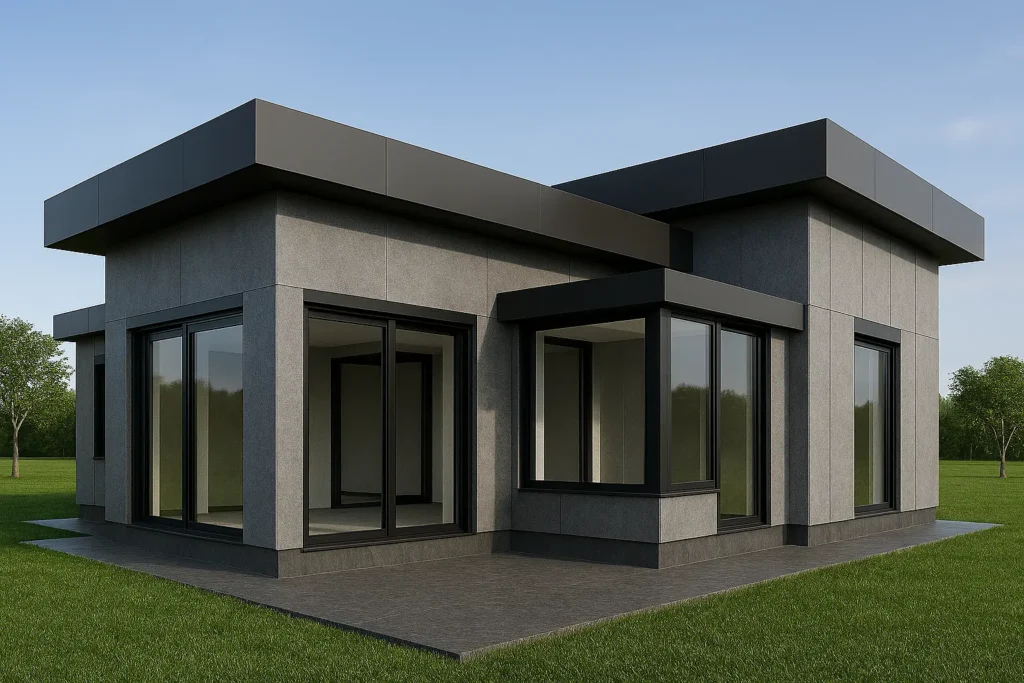
- Whole-House Construction: Structural Insulated Panels (SIPs) can be used to construct entire houses, creating highly energy-efficient and durable homes.
Commercial Construction
Structural Insulated Panels (SIPs) are also widely used in commercial construction, for example:
- Office Buildings: Structural Insulated Panels (SIPs) improve energy efficiency and create comfortable workspaces.
- Schools: They create energy-efficient and healthy learning environments.
- Warehouses: Structural Insulated Panels (SIPs) offer insulation and structural benefits.
- Retail Buildings: They are utilized in retail buildings.
Other Applications
Structural Insulated Panels (SIPs) are ideal for:
- Additions and Renovations: They improve energy efficiency and structural performance.
- Specialty Buildings: They are used in cold storage facilities or sustainable structures.
Structural Insulated Panels (SIPs) are suitable for a wide range of applications, from residential to commercial construction.
Cost Considerations and Installation of Structural Insulated Panels (SIPs)
Understanding the cost factors and installation process of Structural Insulated Panels (SIPs) is crucial for project planning.
Cost Factors
The cost of Structural Insulated Panels (SIPs) depends on several factors:
- Materials: Costs vary based on the materials used, like EPS or PU core.
- Size and Complexity: Larger and more complex projects typically cost more.
- Labor: Installation labor costs influence the total price.
- Location: Regional differences in material and labor costs impact the overall cost.
- Comparison to Traditional Construction: While Structural Insulated Panels (SIPs) may have a higher upfront cost, long-term energy savings often make them more cost-effective.
Installation Process Overview
The installation process involves several steps:
- Pre-Planning: Accurate design and engineering are essential, and permits are needed.
- Site Preparation: This includes foundation and any necessary framing.
- SIP Assembly: Panels are placed, connected, and sealed to ensure a weathertight structure.
- Finishing: This includes exterior and interior finishing steps.
Tips for Cost-Effective Installation
Early planning and using experienced installers can reduce costs. Sourcing materials efficiently is also important.
Conclusion and Future Trends
In conclusion, Structural Insulated Panels (SIPs) offer a modern, efficient, and sustainable approach to construction. They provide numerous benefits, including energy efficiency, enhanced insulation, and reduced environmental impact. PU panels and other insulation panels play an important role in the overall performance of these building systems. Consider the benefits of using sandwich panels in your next project.
Future Innovations and Trends
- Advancements in Materials: Ongoing developments include more sustainable core materials, enhanced facings, and improved adhesives.
- Integration with Smart Home Technologies: Structural Insulated Panels (SIPs) are increasingly integrated with smart home technologies.
- Growing Importance of Sustainable Construction: The demand for sustainable building practices will continue to grow.
- Industry Growth: The market for Structural Insulated Panels (SIPs) is growing, with potential for further expansion.
If you want a modern, efficient, and sustainable approach to construction, consider Structural Insulated Panels (SIPs). Explore their use in your construction projects and consider the benefits of PU panels.