Defining Wall Panels and Roof Panels & Introducing Insulated Panels
Wall panels and roof panels play a crucial role in modern construction, offering both structural integrity and aesthetic appeal. This post will delve into the world of insulated panels, a particularly efficient and versatile option. We’ll explore their construction, benefits, and various applications, helping you understand why they’re becoming increasingly popular in the building industry.
The Anatomy and Advantages of Insulated Panels
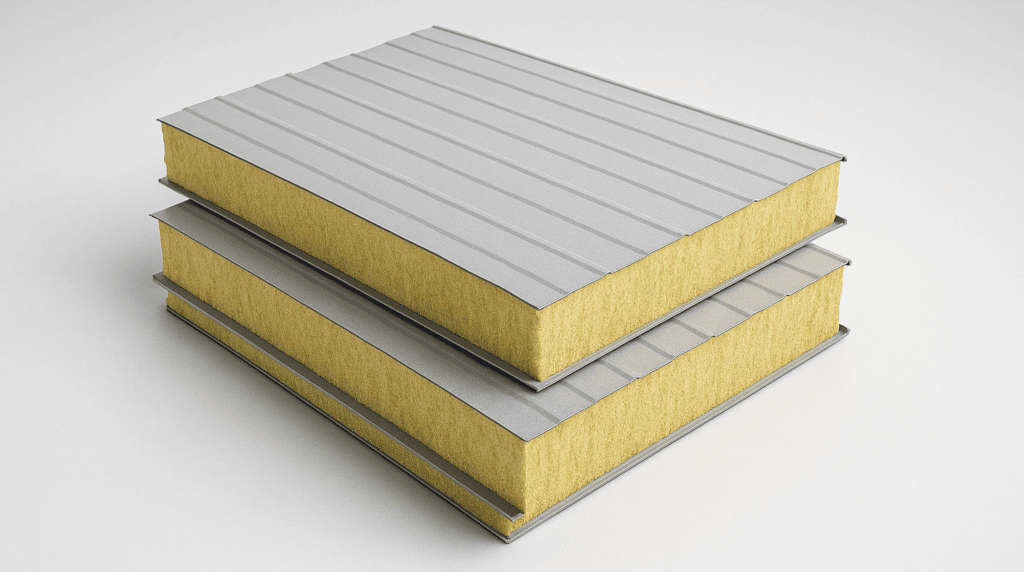
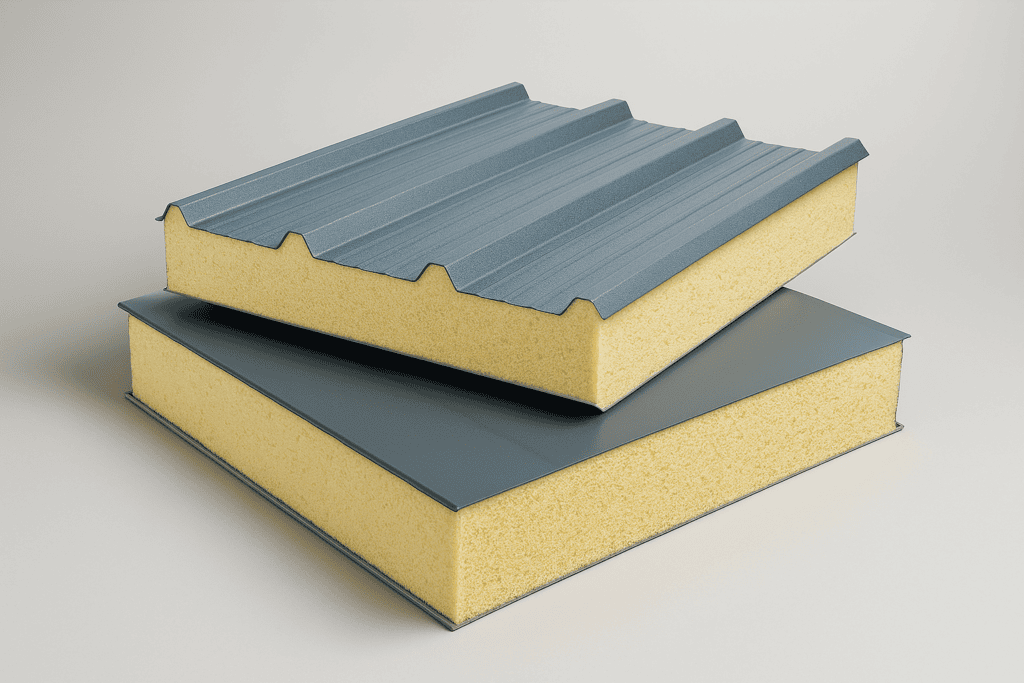
Insulated panels, also known as sandwich panels, are composite building materials made of three layers: a core of insulating material sandwiched between two outer layers, typically made of steel, aluminum, or other durable materials. The core provides thermal insulation, while the outer layers offer structural support and weather protection.
The advantages of using insulated panels are numerous:
- Energy Efficiency: Excellent thermal insulation reduces heating and cooling costs.
- Durability: Resistant to weather, moisture, and pests.
- Fast Installation: Pre-fabricated panels speed up the construction process.
- Versatility: Suitable for a wide range of applications.
- Aesthetics: Available in various colors and finishes.
Insulated Wall Panels: Construction, Installation, and Benefits
Insulated wall panels are used to create the exterior walls of buildings, providing insulation, structural support, and a finished appearance. They are typically manufactured in a factory, ensuring consistent quality and precise dimensions. Installation involves attaching the panels to the building’s frame using specialized fasteners.
Benefits of Insulated Wall Panels:
- Improved thermal performance, reducing energy bills.
- Enhanced soundproofing.
- Reduced construction time.
- Increased building lifespan due to weather resistance.
Insulated Roof Panels: Construction, Installation, and Benefits
Insulated roof panels are designed to create a weather-tight and energy-efficient roof system. They are constructed similarly to wall panels, with an insulating core sandwiched between two layers. Installation involves attaching the panels to the roof structure, ensuring proper sealing to prevent leaks.
Benefits of Insulated Roof Panels:
- Excellent thermal insulation, reducing heat loss in winter and heat gain in summer.
- Protection against moisture and weather damage.
- Reduced condensation and potential for mold growth.
- Long-term durability and low maintenance.
Types and Applications of PU Panels
PU panels, also known as polyurethane panels, are a specific type of insulated panel that utilizes a polyurethane foam core. PU panels are widely used in a variety of applications due to their excellent insulation properties, durability, and versatility.
Applications of PU Panels:
- Commercial Buildings: Warehouses, factories, and cold storage facilities.
- Residential Buildings: Homes and apartments.
- Agricultural Buildings: Farm buildings and livestock housing.
- Specialized Applications: Cleanrooms, refrigerated trucks, and modular buildings.
Cost Considerations: Factors That Influence the Price of Wall and Roof Panels
Several factors influence the cost of insulated wall and roof panels:
- Material: The type of core (e.g., polyurethane, expanded polystyrene) and outer layers (e.g., steel, aluminum) affect the price.
- Thickness: Thicker panels offer better insulation but cost more.
- Size and Quantity: Larger projects often benefit from economies of scale.
- Customization: Special features or finishes can increase the cost.
- Installation Costs: Labor and equipment contribute to the overall project cost.
Cost Comparison of Wall vs. Roof Panels and Important Considerations
Generally, roof panels may be slightly more expensive than wall panels due to their specific requirements for weather resistance and load-bearing capacity. However, the exact cost difference depends on the factors mentioned above. It’s crucial to compare quotes from different suppliers and consider the long-term benefits of energy savings and durability.
Important Considerations:
- Insulation Value (R-value): Higher R-values indicate better insulation performance.
- Fire Resistance: Choose panels with appropriate fire ratings.
- Warranty: Review the manufacturer’s warranty for peace of mind.
- Installation Expertise: Ensure the panels are installed correctly by qualified professionals.
Conclusion: Making the Right Choice for Your Project
Insulated wall and roof panels offer a superior building solution, providing energy efficiency, durability, and aesthetic appeal. By understanding the different types of panels, their advantages, and cost considerations, you can make an informed decision for your construction project.
For further information on specific applications or choosing the right panels for your needs, you can check more details by visiting.