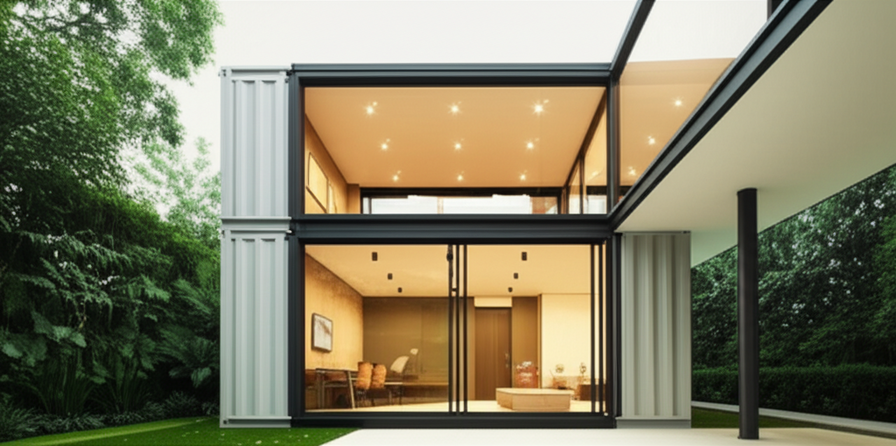
The Ultimate Guide to Container Homes: Fast Building, Design, and Everything You Need to Know
Are you looking for new housing ideas? Perhaps you want to live a more sustainable life. Many people are thinking about different ways to build homes. This growing interest points to new solutions. Container homes offer an exciting option. They are becoming very popular.
A container home is a unique type of house. It is built mostly from recycled steel shipping containers. These homes are strong and interesting. They also offer many benefits. This guide will help you understand them better. We will look at what container homes are. We will also explore their benefits, like their fast building potential. The construction process will be covered. We will also discuss design ideas. You might even see how a container shop can be made. Finally, we will share important things to think about.
1. What Exactly is a Container Home?
A container home is a special kind of building. It uses old steel shipping containers. These containers were once used to move goods. They traveled across oceans. They are usually 20 feet or 40 feet long. Architects now use these strong boxes. They turn them into homes and other buildings. This is called upcycling.
These tough steel boxes have an interesting past. They carried many items over the seas. When they retire from shipping, they get a new purpose. They find new life in building. This is often called sustainable architecture.
There are different kinds of containers you can use. Most homes use standard dry freight containers. High-cube containers are also popular. They are taller than standard ones. This gives you more head room inside. You might also hear terms like “one-trip” containers. These are almost new. They have only made one journey. “Cargo-worthy” containers are used. However, they are still strong and safe. “Wind and watertight” containers are also used. They keep out the weather very well.
2. Why Choose a Container Home? Key Benefits Explored
Container homes offer a lot of appeal. Many people choose them for good reasons. They provide many advantages. Let’s look at some key benefits.
2.1. Cost-Effectiveness
Building a traditional home can be very expensive. The basic structure of a container home is often cheaper. The container itself costs less than traditional framing wood. This can cut down your total building costs. It helps a lot for smaller homes. It is also great for projects you build yourself. Therefore, it can save you money.
2.2. Sustainability and Eco-Friendliness
Choosing a container home helps the planet. It means you use old shipping containers. These containers would otherwise sit unused. Recycling them is a great thing to do. It lowers the need for new building materials. This reduces the harm to our environment. Also, making new materials uses a lot of energy. Using old containers saves this “embodied energy.” Thus, it is a very green choice.
2.3. Speed of Construction
One big advantage is how quickly they go up. Container modules are like giant building blocks. Many parts of your container home can be built somewhere else. This happens in a factory. This is called prefabrication. Then, these ready parts are brought to your land. This makes the building time on your site much shorter. Traditional builds take a long time. The fast building process is truly amazing with containers. The main structure is already there.
The walls, floors, and ceilings are already part of the container. This speeds up the framing work. You do not need to build these from scratch. Therefore, the construction moves quickly.
2.4. Durability and Security
Shipping containers are made of very strong steel. They are built to handle tough conditions. Think about harsh weather at sea. This makes a container very durable. They can stand up to strong winds. They can also withstand earthquakes. This robust structure makes them very safe homes. They are solid and secure buildings.
2.5. Design Flexibility and Modern Aesthetic
A container is a simple box. However, you can do so much with it. You can combine many containers. You can stack them up. This lets you create unique designs. Your container home can look modern. It can also have an industrial feel. The modular design is helpful. You can add more containers later. This allows your home to grow with your needs.
3. The Container Home Building Process: From Box to Residence
Turning a plain container into a cozy home takes several steps. It is an exciting journey. Let’s explore how it’s done.
3.1. Sourcing Your Container(s)
First, you need to find your containers. You can look at shipping depots. Brokers also sell them. It is very important to check them carefully. Look for any damage or rust. Ask about what they carried before. You want to avoid containers that held harmful chemicals. Always choose strong, well-kept units. This ensures a good start for your container home.
3.2. Site Preparation and Foundation
Your building site needs to be ready. It must be flat and stable. The foundation is very important. It supports the weight of your container home. Common choices include a concrete slab. Pier foundations or strip foundations also work well. You also need to plan for utilities. Think about where water, sewer, and electricity will connect.
3.3. Cutting and Reinforcement
Next, you will cut openings in the container. These are for windows and doors. You will also make openings for inside walls. However, cutting into the steel changes its strength. This is a very important step. You must add steel framing around all cuts. For example, you might weld steel tubes or beams. This helps keep the container strong. It maintains the structural integrity of your new home.
3.4. Insulation and Utilities
Insulation is essential for a steel container home. Steel conducts heat and cold easily. Proper insulation keeps your home warm in winter. It keeps it cool in summer. It also stops condensation. Condensation can lead to mold. You can use spray foam. Rigid panels or batt insulation also work. Thermal bridging is a challenge. This is when heat escapes through the steel frame. Good planning helps avoid it. Furthermore, you will install plumbing pipes. Electrical wires also need to be run through the walls.
3.5. Interior and Exterior Finishes
After insulation, you add the finishing touches. Inside, you can use drywall. Wood panels or other materials also look great. Then, you lay down flooring. Outside, you can paint the container. You might also add cladding. These finishes make your container home look good. They also add more protection from the weather. Good finishes also improve its insulation.
4. Design and Customization: Unleashing Creativity with Containers
Containers are not just simple boxes. They offer huge design possibilities. You can create homes far beyond a single unit.
Think about joining several containers. You can place them side-by-side. You can also stack them up. This lets you build bigger homes. You can even have multiple stories. Imagine an L-shape or a U-shape layout. You can also make a long, linear design. This allows for diverse and unique container homes.
Interior design offers many choices. You can keep the industrial look. The raw steel can become part of your style. Or, you can cover it completely. You can make it look just like a traditional home. The choices are truly endless.
Containers are useful for more than just homes. They are very versatile. For instance, people use them for businesses. A container shop is a great example. They also make pop-up restaurants. Cafes and offices are also common uses. This shows their adaptable nature. Their fast building potential makes them perfect for many different projects.
5. Important Considerations Before Building Your Container Home
Building a container home is exciting. However, you need to think about some key things. These factors are important for success.
5.1. Permits and Regulations
This is a very important step. You must check local rules. Every area has different zoning laws. Building codes also vary. You need to get all the necessary permits. These rules can greatly affect your project. Sometimes, they might even make a container home impossible. Always check first.
5.2. Insulation Challenges
Steel conducts heat very well. This means proper insulation is critical. Without good insulation, your container home can get too hot. It can also get too cold. There is a high risk of condensation. Condensation can lead to mold inside your walls. It needs to be handled properly.
5.3. Structural Engineering
You will cut openings in your container. You might also stack several units. These changes affect the container‘s strength. It is wise to talk to a structural engineer. They can make sure your plans are safe. They ensure the structural integrity of your container home. This keeps everyone safe.
5.4. Financing Options
Getting a home loan can be tricky for unique builds. Traditional mortgages might be harder to get for a container home. Banks often prefer standard houses. You might need other ways to pay. Consider personal loans. Construction loans are another option. Sometimes, people self-fund their projects.
6. Inspiring Container Home Examples
Let’s look at some cool ideas for container homes. These show what is possible.
- A Simple Living Space: Imagine a single container home. It is perfect for one person or a couple. It offers a compact and cozy living space.
- A Family Dream: Picture a multi-story container home. Many units are combined. This creates plenty of room for a family. It has many bedrooms and living areas.
- Living Off-Grid: Some container homes are built to be self-sufficient. They use solar power. They collect rainwater. These are off-grid containers. They show amazing sustainable features.
Conclusion
Container homes offer a fresh approach to living. They come with many clear benefits. They can be more affordable. They are a very sustainable choice. These homes are also strong and durable. Plus, their fast building potential is a huge advantage.
They provide a unique and customizable housing solution. You can design them to fit your exact needs. Consider if a container home fits your life. Think about your values. It might be the perfect path for you. We encourage you to explore this idea further.