The Ultimate Guide to Container Homes: Sustainable Living Through Fast Building Solutions
1. What Exactly is a Container Home?
A container home is simply a house built mostly from special steel boxes called shipping containers. You know, those massive, brightly colored boxes you see on big ships or long trains? They are super strong and made to protect goods as they travel all over the world. Instead of letting these sturdy boxes sit empty once they’ve served their purpose, clever builders transform them into amazing places to live.
These containers are also known as intermodal shipping containers. They are built to be incredibly tough because they have to handle harsh weather conditions out at sea, like big waves and strong winds, and be stacked high without breaking. This makes them a fantastic starting point for a house because they are already so sturdy and safe.
Most container homes are made from two common sizes: 20-foot or 40-foot long steel boxes. They are like giant Lego bricks, but for building houses! These industrial boxes are known for their strength, how well they keep out bad weather, and how easily they can be stacked on top of each other. This durability is one of their biggest secrets.
The cool part is seeing how a simple cargo unit turns into a cozy living space. This involves several steps. Workers carefully cut openings for windows and doors, just like you would in a regular house. Then, they add extra strength where needed, put in lots of insulation to keep the house warm in winter and cool in summer, and install all the important things like electricity, plumbing, and heating systems. It’s a clever way to recycle and create something new and wonderful. So, a basic steel box becomes a unique and comfortable dwelling, ready for someone to call home. It’s truly a marvel of modern building and eco-friendly design.
2. The Appeal of Container Homes: Why Choose This Innovative Dwelling?
Choosing a container home is more than just picking a quirky design; it’s about embracing a whole new way of living and building. These innovative dwellings offer a bundle of exciting benefits that traditional houses often can’t match. From quick construction to being kind to the planet, there’s a lot to love about making a home out of these robust steel boxes. Let’s explore why so many people are drawn to this unique building style.
2.1. Speed of Construction (Fast Building)
Imagine wanting a new house and seeing it built in a fraction of the time it usually takes. That’s one of the biggest excitements about a container home! The construction timeline is significantly reduced, meaning you could be moving into your new place much faster than if you chose a regular brick-and-mortar home. This incredibly quick process is often called fast building.
How does this fast building happen? Well, the main structure of your home, the steel container itself, is already made! It’s a pre-fabricated, standardized unit. This means that a lot of the initial work, like building the strong walls and roof, is already done. Instead of starting from scratch with wood frames or bricks, builders begin with a solid shell. Many of the modifications, like cutting holes for windows or doors, can even happen in a workshop before the container even arrives at your building site.
Once the modified containers reach your land, putting them together is much quicker. Cranes lift them into place, and they are secured. This means that instead of months or even a year or more for a traditional house, a container home can often be ready in a matter of weeks or a few months. Think of it like assembling a giant set of building blocks, but these blocks are super strong and already mostly finished!
This speedy process has wonderful benefits. For starters, it can mean reduced labor costs because builders spend less time on site. Less time working equals less money spent on wages. Secondly, it leads to quicker occupancy. If you’re eager to move into your own place, a container home gets you there much sooner. It’s perfect for people who need a dwelling quickly, whether it’s for personal use, a temporary office, or even emergency housing. The efficiency of this modular construction truly sets it apart, offering a streamlined and remarkably fast building experience.
2.2. Cost-Effectiveness
When people think about building a new home, the first thing many wonder about is the cost. While it’s true that building any home requires money, container homes can often provide a more affordable way to become a homeowner. They offer a unique pathway to having your own place without necessarily breaking the bank. It’s important to understand that while they aren’t always the cheapest option compared to the very lowest-cost traditional builds, they frequently provide a fantastic balance of quality, speed, and reasonable expense.
One of the key ways a container home saves you money is in the basic structure itself. Buying a used shipping container is often much cheaper than buying all the lumber, bricks, and other materials needed to build the basic walls and roof of a traditional house from the ground up. This inexpensive starting shell is a huge advantage. You’re recycling a super strong box that already exists, rather than paying for brand new materials to be created and transported.
On top of the material savings, the fast building process itself contributes to cost-effectiveness. As we discussed, less time on site means less money spent on construction labor. This reduction in man-hours can add up to significant savings. Imagine how much you’d save on builder’s wages if your home took weeks instead of many months to complete!
Furthermore, there can be savings in other areas too. For example, some container home designs might require simpler foundations compared to large, heavy traditional houses. This can reduce the cost of digging and pouring concrete. Also, because you are starting with a solid steel box, there might be less construction waste generated during the initial build, which can also cut down on disposal fees. The clever reuse of a robust container allows for a more accessible and often more budget-friendly entry into the world of homeownership, proving that innovative housing doesn’t have to be out of reach.
2.3. Sustainability and Eco-Friendliness
In today’s world, many of us want to live in ways that are better for our planet. This is where container homes really shine! They are champions of sustainability and eco-friendliness, offering a smart way to reduce our impact on Mother Earth. Choosing a container home means you’re actively participating in a fantastic form of recycling.
Think about it: billions of shipping containers travel the world, carrying everything from toys to cars. After many years of service, some of these containers reach the end of their useful life for shipping companies. Instead of being left to rust in a port or, even worse, ending up in a landfill, these strong steel boxes are given a second life. Repurposing a container that has reached the end of its shipping journey helps reduce waste and gives these robust structures a whole new purpose. This process is called upcycling, and it’s a huge win for the environment.
By using existing containers, we significantly reduce the demand for brand new construction materials. Building a traditional house requires a lot of new resources: cutting down trees for lumber, mining minerals for concrete and metal, and producing plastics. All of these processes use energy and create pollution. When you build with a recycled container, you lessen the need for these new materials, saving energy and reducing the carbon footprint associated with making new building parts.
Living in a container home also often encourages a smaller living space, which can naturally lead to a lower carbon footprint in the long run. Smaller homes generally require less energy to heat and cool, and they encourage us to live with fewer possessions, promoting a simpler, more sustainable lifestyle. It’s a wonderful example of how smart design and thoughtful reuse can come together to create homes that are not only comfortable but also incredibly kind to our beautiful planet. Choosing a container home means choosing a greener, more responsible way to live.
2.4. Durability and Resilience
When you build a home, you want it to be strong and safe, able to stand up to whatever nature throws its way. This is another area where a container home truly excels. These remarkable dwellings are inherently robust, built with incredible durability and resilience because of their original purpose: surviving harsh conditions on the open sea.
Imagine a steel container loaded with heavy goods, traveling across vast oceans. It gets battered by strong winds, splashed by saltwater, and sustains temperature extremes. To withstand all of this, these containers are constructed from incredibly tough corrugated steel. This makes them naturally resistant to a wide range of challenges, from severe weather to pests you wouldn’t want in your home.
When properly treated and reinforced for residential use, a container home offers excellent structural integrity. This means its basic shape is very strong and stable. The steel construction provides an inherent strength that can protect against high winds, which is great news for people living in stormy areas. When properly anchored to its foundation and reinforced where cuts are made, a container home can also show impressive resilience against seismic activity, like earthquakes. The modular nature of the building blocks, along with their rigid steel frames, contributes to this strength.
Beyond weather, the steel structure also offers natural resistance to common problems like pests. Unlike wood, steel doesn’t attract termites or other insects that can damage a home. With proper fire-resistant insulation and interior finishing, the steel shell can also offer a degree of fire resistance, adding another layer of safety. So, when you choose a container home, you’re not just getting a cool and sustainable place to live; you’re getting a fortress-like dwelling that’s designed to last and keep you safe, standing strong against the elements for many years to come.
2.5. Design Flexibility and Modern Aesthetics
When you think of a shipping container, you might just imagine a plain, rectangular metal box. But here’s an exciting secret: these boxes offer amazing design flexibility! Despite their simple shape, container homes can be transformed into incredibly diverse and stylish living spaces. This adaptability is part of their growing charm, appealing to those who love modern design and want something truly unique.
The rectangular nature of a container is actually a superpower for designers. They can be arranged in countless ways:
- Stacked: Imagine one container on top of another, creating a multi-story home with different levels.
- Combined: Two or more containers can be placed side-by-side, or even at angles, to create wider, more expansive living areas. Walls between them can be removed (with proper reinforcement, of course) to make large, open-plan rooms.
- Modified: Sections of the steel can be cut out and replaced with large windows or glass doors, letting in tons of natural light and offering beautiful views. You can add decks, balconies, or even rooftop gardens.
This means you can create almost any kind of home you can dream of. Do you want a small, minimalist studio for one person? A sprawling multi-container home for a family? A cozy cabin tucked away in nature? All of these are possible with clever container arrangements. The modularity of the containers means that they can be easily mixed and matched, allowing for custom layouts that suit individual needs and preferences.
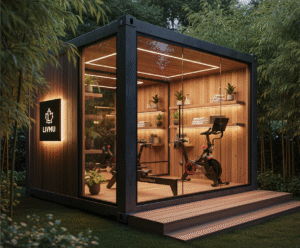
The industrial aesthetic of these homes also has a huge appeal. Many people love the raw, modern look of exposed steel, blended with warm wood or sleek finishes inside. It gives a home a contemporary, urban, or even minimalist vibe. This makes container homes popular with artists, architects, and anyone who wants their home to make a statement. You can incorporate huge windows that slide open to connect indoor and outdoor spaces, create airy, open-plan living areas, and add creative extensions like sunrooms or extra bedrooms. The possibilities are truly endless, proving that a humble container can be the starting point for architectural masterpieces that are both functional and beautiful.
3. The Journey from Cargo to Cozy: How a Container Home is Built
Turning a sturdy steel shipping container into a warm, inviting home is a fascinating process. It’s a journey that involves careful planning, clever construction techniques, and a lot of creativity. While the idea of a container home might seem simple, the actual building process is detailed and follows many of the same steps as building a traditional house, with some unique twists. The modular nature and strength of the containers themselves are key to the fast building aspect. Let’s walk through the steps of how a humble cargo box becomes a cozy dwelling.
3.1. Planning and Design
Before any steel is cut or any dirt is dug, the journey of a container home begins with thorough planning and design. This is perhaps the most important phase, as it lays the groundwork for everything that follows. Just like designing any house, this stage involves creating detailed architectural drawings that show exactly what the home will look like, inside and out.
Key considerations during this phase include:
- Site Selection: Where will your container home sit? The land needs to be suitable.
- Zoning Research: This is super critical for container homes! Every town and city has rules about what kind of homes can be built in different areas. You need to check if your local government allows container homes and if there are any special rules or permits required for non-traditional housing. Ignoring zoning rules can lead to big problems later.
- Obtaining Permits: Once the design is ready and zoning is confirmed, you’ll need to apply for building permits. These permits ensure your home meets safety and construction standards.
- Climate Considerations: How will the local weather affect your home? You need to plan for proper insulation to keep the house warm in cold winters and cool in hot summers.
- Utility Connections: Where will the water, electricity, and sewer lines come from and connect to your home? This needs to be thought about in advance.
Careful planning at this stage saves a lot of time, money, and headaches later on, ensuring your dream container home can actually be built and lived in safely.
3.2. Site Preparation and Foundation
Once the plans are approved, the focus shifts to the land where your container home will stand. Just like building any traditional house, the chosen site needs to be properly prepared. This usually involves:
- Grading: Making sure the land is level and slopes away from where the house will be, to prevent water from pooling around the foundation.
- Leveling: Creating a flat surface for the foundation to rest on.
The foundation for a container home is crucial for stability and longevity. While the containers themselves are strong, they need a solid base. Foundations can vary depending on the design of the home and the type of soil on the site:
- Concrete Slabs: A large, flat concrete pad that the containers sit directly on. This is common for single-story designs.
- Pier Foundations: Concrete posts or columns that elevate the container home off the ground. This can be good for uneven terrain or to prevent moisture issues.
- Strip Footings: Concrete strips that run under the load-bearing walls of the containers.
Choosing the right foundation is vital to ensure the container home is stable, well-supported, and protected from ground moisture, laying the groundwork for a secure dwelling.
3.3. Sourcing and Modification of Containers
This is where the magic of transforming a humble cargo unit into a potential home truly begins. The first step is to find high-quality, structurally sound shipping containers. Builders look for “one-trip” containers (almost new, used only once) or “cargo-worthy” containers (still strong enough to carry goods). It’s important to inspect them carefully for damage or rust to ensure they are fit for building a home.
Once sourced, the containers are either brought to a specialized workshop or directly to the building site for modification. This is where the steel boxes start to look like parts of a house:
- Cutting Openings: This is a big step! Huge holes are cut into the steel for where windows, doors, and other openings (like for stairs between stacked containers) will go.
- Reinforcing Structural Weak Points: When you cut big holes in a strong steel box, you weaken it. So, steel frames are welded around these new openings to make the container strong again. This is vital for safety and stability.
- Rust Treatment: Even tough steel can rust, especially if it’s been at sea. All surfaces are cleaned, sanded, and treated with special anti-rust primers and paints to protect the metal from future corrosion. This ensures the container home lasts for many, many years.
This stage turns the industrial containers into the basic skeleton of your future home, ready for assembly and further finishing.
3.4. Placement and Connection
With the site prepared and the containers modified, it’s time for the most visually dramatic part of the build: placing the containers. This step really highlights the fast building nature of this construction method.
- Transportation: The prepared containers are carefully loaded onto trucks and transported to the building site.
- Lifting with Cranes: At the site, large cranes are used to lift each heavy steel box and carefully lower it into its precise position on the foundation. This requires skilled crane operators and a well-coordinated team.
- Connecting Multiple Containers: If the design calls for a larger home made from several containers, they are placed next to or on top of each other. Then, they are securely joined. This can involve welding them together along their edges or bolting them using special connectors. These connections are made very strong to ensure the entire structure is stable and safe.
This modular aspect – bringing pre-made sections to the site and assembling them – is a huge reason why container homes can be built so quickly. What might take weeks of framing in traditional construction can happen in a day or two with containers being lifted and connected. This efficiency is key to the rapid development of a container home.
3.5. Insulation and Weatherproofing
One of the most important steps in creating a comfortable container home is adding proper insulation and weatherproofing. Steel is an excellent conductor of heat and cold, meaning without good insulation, the inside of your home would get extremely hot in summer and freezing cold in winter. This stage is crucial for making the dwelling thermally efficient and comfortable to live in all year round.
Several options are available for insulating a container home:
- Spray Foam: This is a popular choice. Liquid foam is sprayed onto the interior walls, ceiling, and floor, expanding to fill every gap. It creates a seamless, highly effective barrier against temperature changes and moisture.
- Rigid Panels: Boards made of insulation material (like polyisocyanurate or extruded polystyrene) are cut to fit and installed against the interior surfaces.
- Traditional Batting: Materials like fiberglass or mineral wool bats can be installed within a framed interior wall, similar to conventional homes.
The insulation needs to be applied to the walls, ceiling, and floor to create a complete thermal envelope.
After insulation (or sometimes before, depending on the design), exterior cladding is added. This serves two main purposes:
- Aesthetics: It covers the raw steel of the container, allowing you to give your home any look you desire – from rustic wood siding to sleek metal panels, stucco, or even brick veneer.
- Additional Weather Protection: The cladding provides an extra layer of defense against rain, wind, and sun, protecting the steel and the insulation underneath. It helps to further seal the container home from the elements, ensuring a dry and protected interior.
This critical step ensures that your steel box becomes a cozy, energy-efficient, and weather-resistant living space.
3.6. Utilities and Interior Finishing
With the structure in place, insulated, and weatherproofed, the final stages transform the basic shell into a fully functional and beautiful container home. This is where the dwelling truly becomes habitable and personalized.
- Utilities Installation:
- Plumbing: Water pipes are run to the kitchen, bathrooms, and laundry areas, and waste pipes are connected to the sewer or septic system.
- Electrical Wiring: Wires are carefully routed through the walls and ceilings to power lights, outlets, and appliances.
- HVAC Systems: Heating, ventilation, and air conditioning (HVAC) units are installed to ensure comfortable temperatures and good air quality inside the home. This might involve mini-split systems, traditional central air, or radiant floor heating, depending on the design and climate.
- Interior Finishing:
- Framing Interior Walls: Even though the container is the outer wall, builders often create an interior frame (usually with wood or metal studs) to hold insulation, hide wiring and plumbing, and provide a surface for interior finishes.
- Finishing Walls: Drywall, wood paneling, or other chosen materials are installed over the interior framing. These are painted or finished to the homeowner’s taste.
- Flooring: The chosen flooring material – whether it’s wood, tile, laminate, or carpet – is laid throughout the home.
- Fixtures and Appliances: Finally, kitchen cabinets, countertops, sinks, toilets, showers, lighting fixtures, and all necessary appliances (stove, refrigerator, washing machine) are installed.
By the end of this stage, the container home is complete, connected to all essential services, and ready for its new residents. It’s an amazing transformation from a simple cargo unit to a fully equipped and comfortable living space.
4. Beyond Living: Versatile Applications of Containers
While container homes are gaining popularity for sustainable living, the uses for these strong steel boxes go far beyond just residential dwellings. The inherent strength, modularity, and ease of transport of a container make them incredibly versatile. They offer fast building solutions for a surprising number of applications, proving their worth in many different fields. Let’s explore some of the diverse ways these innovative structures are being put to use.
4.1. Residential
Of course, the primary focus is on container homes. As we’ve seen, these strong boxes can be transformed into a wide array of living spaces. This ranges from a small, single-unit minimalist studio for one person, perfect for tiny house living or a backyard office, to complex stacked multi-story homes that offer ample space for a family. We also see luxury retreats and unique vacation rentals built from these adaptable structures, showcasing how they can be upscale and comfortable. Their ability to be combined and customized allows for almost any residential design, making the dream of a unique and sustainable home a reality.
4.2. Commercial
Containers are not just for homes anymore! They are increasingly popular in the commercial world because of how easily they can be moved and how quickly they can be set up. This fast building potential makes them perfect for businesses that need flexible or temporary spaces.
Think about walking through a city or at a festival – you might have already seen them without even realizing it!
- Container Shops: Many small businesses are using containers to create unique retail spaces. A container shop can be quickly set up in a vibrant area, offering clothes, crafts, or local products. Their eye-catching industrial look attracts customers.
- Pop-Up Cafes and Restaurants: Food and drink businesses love containers. They can create trendy cafes, juice bars, or even full-service restaurants that can be easily moved to different locations for events or seasonal demand.
- Art Galleries and Exhibition Spaces: The clean, industrial lines of a container make a great backdrop for displaying art or setting up temporary exhibitions.
- Offices: Companies use them for temporary site offices on construction sites, or even as permanent, modern office spaces, especially for startups looking for unique aesthetics and lower overheads.
- Portable Medical Clinics: In areas needing quick medical facilities or in remote locations, a modified container can serve as an efficient and sterile clinic.
Their mobility and unique aesthetic make them a popular choice for innovative business ventures and temporary installations, allowing businesses to set up quickly and adapt to changing needs.
4.3. Educational and Humanitarian
The robust nature and quick deployment of containers also make them invaluable in fields like education and humanitarian aid.
- Classrooms: In rapidly growing communities or after school buildings are damaged, containers can be quickly converted into safe, functional classrooms. They provide a sturdy learning environment where traditional construction might take too long or be too expensive.
- Temporary Shelters: Following natural disasters like hurricanes or earthquakes, many people lose their homes. Modified containers can be rapidly deployed to provide sturdy, secure, and dignified temporary shelters for families in need. They offer much better protection than tents and can be fitted with basic utilities.
- Remote Clinics: In distant or underserved areas, access to healthcare can be challenging. A container can be transformed into a portable clinic, equipped with medical supplies and facilities, that can be transported to where it’s most needed.
These applications truly highlight the adaptability and robust nature of shipping containers, showcasing their power to provide essential services and support communities in various critical situations.
5. Important Considerations Before Building Your Container Home
Building a container home is an exciting adventure, but like any big project, it comes with its own set of important things to think about. Before you jump headfirst into planning your unique dwelling, it’s crucial to understand these key considerations. Being aware of these points will help you plan better, avoid problems, and ensure your container home is safe, comfortable, and legal.
5.1. Local Zoning and Building Codes
This is perhaps the most critical step to research early on. Building rules and regulations, often called local zoning and building codes, vary a lot from one town or city to another. What’s allowed in one place might be completely forbidden just a few miles away.
- Research Local Ordinances: You absolutely must check with your local planning department or city hall. Ask about their rules regarding minimum home sizes, foundation requirements, and specifically if they permit the use of shipping containers for residential purposes.
- Restrictions on Non-Traditional Housing: Some areas may have strict rules against non-traditional housing styles, or they might require very specific permits that are different from those for regular houses. They might worry about how a container home looks in the neighborhood or how it affects property values.
- Permit Requirements: Even if allowed, you’ll need to understand all the necessary permits for construction, plumbing, electrical, and occupancy.
Getting this wrong can lead to serious legal issues, fines, or even being told to remove your structure. Always do your homework first and get official approval before starting any construction on your container home.
5.2. Insulation and Climate Control
As we discussed earlier, steel is a great conductor of temperature. This means that without proper care, the inside of your container home would feel like a freezer in winter and an oven in summer. Dealing with this efficiently is a common challenge for container builders.
- Critical for Thermal Efficiency: Robust insulation is not just about comfort; it’s about energy efficiency. Good insulation keeps the heat in during cold months and out during hot months, reducing the amount of energy you need to spend on heating and cooling.
- Preventing Extreme Temperatures: Imagine a metal box sitting in the sun – it gets incredibly hot! Good insulation creates a barrier that slows down heat transfer.
- Careful Planning: This requires careful planning in the design phase. You need to choose the right type of insulation (like spray foam or rigid panels) and ensure it’s installed everywhere – walls, ceiling, and even under the floor.
- Climate-Specific Needs: The amount and type of insulation might change depending on where you live. A container home in a very cold place will need much more insulation than one in a mild climate. This careful attention to insulation ensures your container home is always a comfortable place to live, regardless of the weather outside.
5.3. Rust and Structural Integrity
Shipping containers are built tough, but they are still made of steel, and steel can rust. This is an important factor to manage, especially if your container home is in a humid or rainy climate.
- Preventing Corrosion: To stop rust from forming, the containers need proper preparation. This usually involves sanding any existing rust spots, applying a special anti-rust primer, and then painting the exterior with a high-quality, weather-resistant paint. Regular maintenance, like checking for chips in the paint, is also important.
- Maintaining Structural Integrity: While containers are strong, cutting large openings for windows and doors can weaken their structure. It’s absolutely crucial that any modifications are done with structural engineering in mind. This means adding steel reinforcement around all cutouts. An engineer should review your plans to ensure that the modifications won’t compromise the overall strength and safety of your container home.
- Proper Anchoring: The containers also need to be properly anchored to their foundation to prevent them from shifting or being lifted by strong winds.
Paying close attention to rust prevention and structural reinforcement will ensure your container dwelling remains safe and sturdy for many decades.
5.4. Ventilation
Because a shipping container is a sealed steel box, proper ventilation is essential inside a container home. Without good airflow, a few problems can quickly arise:
- Air Quality: Stale air can build up, leading to poor indoor air quality. This can affect your health and comfort.
- Moisture Control: Daily activities like cooking, showering, and even breathing release moisture into the air. In a sealed environment, this moisture can get trapped.
- Condensation and Mold: When warm, moist air touches cold steel walls (even with insulation), condensation can form. If this happens often, it can lead to mold growth, which is unhealthy and can damage your home.
To prevent these issues, your container home design must include effective ventilation systems. This can involve:
- Windows and Doors: Strategically placed windows and doors that can open to create cross-ventilation.
- Exhaust Fans: In bathrooms and kitchens, powerful exhaust fans are needed to remove moisture and cooking odors.
- HVAC Systems with Fresh Air Exchange: Some heating and cooling systems can also bring in fresh air from outside and expel stale indoor air, ensuring a constant flow of clean air.
Careful planning for ventilation ensures that your innovative dwelling is not only beautiful but also a healthy and comfortable place to live, free from excessive moisture and stale air.
Conclusion: The Future is in the Container Home
We’ve journeyed through the fascinating world of container homes, exploring how these robust steel boxes are changing the way we think about housing.
Let’s quickly recap the amazing benefits we’ve discovered. Container homes offer a unique blend of:
- Innovative Design: Allowing for endless architectural creativity, from minimalist studios to grand multi-story dwellings.
- Sustainability: Giving a second life to discarded shipping containers, reducing waste and our environmental footprint.
- Affordability: Often providing a more accessible entry point into homeownership due to lower material costs and efficient construction.
- Efficiency of Fast Building: Their modular nature allows for significantly reduced construction times, getting you into your new home quicker.
These remarkable structures are more than just a passing trend; they represent a viable and exciting alternative to traditional housing. They address many modern needs, such as the desire for more flexible living spaces, the urgency for sustainable practices, and the demand for quicker, more efficient building solutions. The inherent strength and adaptability of a simple steel container make it an ideal building block for the future.
If you’re dreaming of a home that’s unique, environmentally friendly, and built with amazing speed, a container home might just be the perfect choice for you. Why not explore the possibilities further? Perhaps your own container project is waiting to begin, offering you a sustainable and stylish place to call your own. The future of living could very well be found within the walls of a repurposed container home.